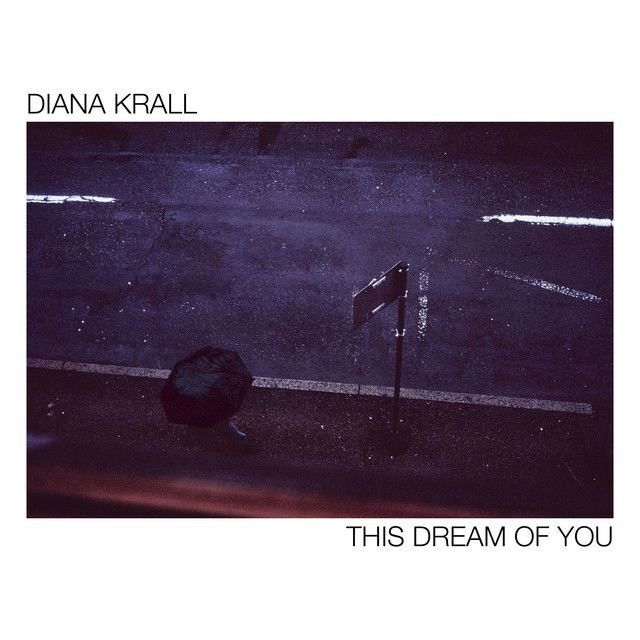
Autumn In New York by Diana Krall
The meaning of Autumn In New York Diana Krall comes from a balance that great standards often achieve: the song sounds warmly romantic, but it never pretends love or city life are simple. In Diana Krall’s hands, that tension becomes the whole point. They sing a classic portrait of New York in fall, where glamour, longing, memory, and loneliness all live on the same block.
"Autumn In New York" - Diana Krall
Why does it seem so inviting?
Autumn in New York
Loading lyrics...
Unable to load lyrics
We're unable to display the lyrics at this time. Please try again later.
A City Song That Feels Like a Diary Page
Vernon Duke wrote “Autumn in New York” in 1934, and it later appeared in the Broadway revue Thumbs Up! before becoming one of the best-known American standards, according to the song’s historical record documented by Wikipedia’s overview of the song. That history matters because Krall is not introducing a forgotten tune. They are stepping into a long conversation already shaped by Frank Sinatra, Billie Holiday, Charlie Parker, and many others.
The song’s core idea is simple: autumn changes the city’s emotional temperature. New York seems more open, more cinematic, and more vulnerable. The lyric begins by asking why the season feels so inviting, then quickly answers through images of theater excitement, big-city light, and a sudden sense of belonging.
When the singer notices glittering crowds
and shimmering clouds
, the city is not just scenery. It becomes a mirror for emotional life. Public beauty and private feeling start blending together.

Watch the official Autumn In New York
music video
What the Song Is Really Saying
At the center of the meaning of Autumn In New York Diana Krall is a paradox: the city offers renewal, but renewal comes with risk. The song speaks of the promise of new love
, yet it also says autumn is mingled with pain
. That pairing is the song’s emotional engine.
Interpretation: This is not really a tourist postcard about Manhattan. It is a song about what happens when a place makes people hopeful again. New York in autumn seems to awaken romantic possibility, but the lyric knows that hope can hurt.
That is why the song includes dreamers, lovers, and people who feel empty-handed. Some look outward, imagining better places. Others stay present, finding meaning in benches, parks, and evening streets. The song respects both reactions.
How Diana Krall Makes It Feel Intimate
Krall’s appeal has long come from understatement: a smoky alto, careful timing, and a pianist’s instinct for space. On a song like this, they do not need to oversell the drama. They let the phrasing breathe.
That matters because the lyric is already elegant. If sung too broadly, it can feel overly polished or nostalgic in a shallow way. Krall’s style usually pushes the song in the opposite direction. They make it conversational, almost as if the city’s beauty surprises the singer in real time.
The Sound of Late-Fall Sophistication
In production terms, “Autumn in New York” works best as a slow jazz ballad. Piano, soft rhythm section, and subtle orchestral color can turn the song into an after-hours scene. Even when arrangements vary by recording, the harmonic richness supports the lyric’s mixed feelings.
Interpretation: Krall’s musical approach deepens the song’s dual nature. Warm chords suggest romance, while unhurried tempo and delicate phrasing leave room for melancholy. The result feels less like a declaration and more like a memory being relived.
The Images That Carry the Meaning
One reason the song lasts is its economy. It builds a whole emotional world with just a few city details.
New York as both spectacle and shelter
The line about canyons of steel
turns skyscrapers into something grand and slightly overwhelming. New York is hard, vertical, and metallic, yet the singer says it makes them feel at home. That contrast is crucial. The city can be cold in form but warm in effect.
Romance in public spaces
The mention of Central Park benches is especially smart. Love is not hidden away in private luxury. It appears in ordinary public life, where anyone might sit, watch, wait, or hope.
Dreamers and disappointment
The lyric also notices people with empty hands who long for exotic lands
. That image keeps the song honest. Not everyone is thriving in this city. Some are restless, broke, or emotionally stranded.
Why the Song Still Resonates
The song became a durable standard partly because it captures a version of New York that remains culturally powerful: stylish, crowded, lonely, and full of possibility. Sources on the song’s reception note that it has been widely recorded across jazz and popular music, with Frank Sinatra’s 1949 version becoming the only one to chart as a U.S. single, as summarized in the same historical entry.
Krall’s version fits that legacy because they understand the song’s maturity. It does not confuse excitement with happiness. It suggests that adults often return to places, seasons, and songs because they want to feel alive again, even if that means revisiting old ache.
In that sense, the closing mood is not naive optimism. It is acceptance. Autumn in New York is worth living again because beauty and pain are both part of being fully present.
Final Take on the Meaning
The meaning of Autumn In New York Diana Krall is the feeling of being reawakened by a city and a season at once. The song celebrates urban romance, but it also admits that longing never disappears. Krall’s restrained style makes that emotional mix feel especially believable.
Their performance reminds listeners that some places do not simply look beautiful. They make people remember who they were, who they hoped to be, and why they are willing to try once more.
Disclaimer: This interpretation is based on the lyrics, song history, and common critical readings. As with any standard, individual listeners may hear different meanings in Diana Krall’s performance.








