Why 'Someday We'll Be Together' Feels Like Goodbye
The meaning of Someday We'll Be Together Diana Ross & The Supremes starts with a simple promise: two people are apart now, but they believe reunion is still possible. On the surface, it is a love song about distance, regret, and hope. But the reason it lasts is that it sounds bigger than one romance.
"Someday We'll Be Together" - Diana Ross & The Supremes
Say it, say it again
Someday we'll be together
Loading lyrics...
Unable to load lyrics
We're unable to display the lyrics at this time. Please try again later.
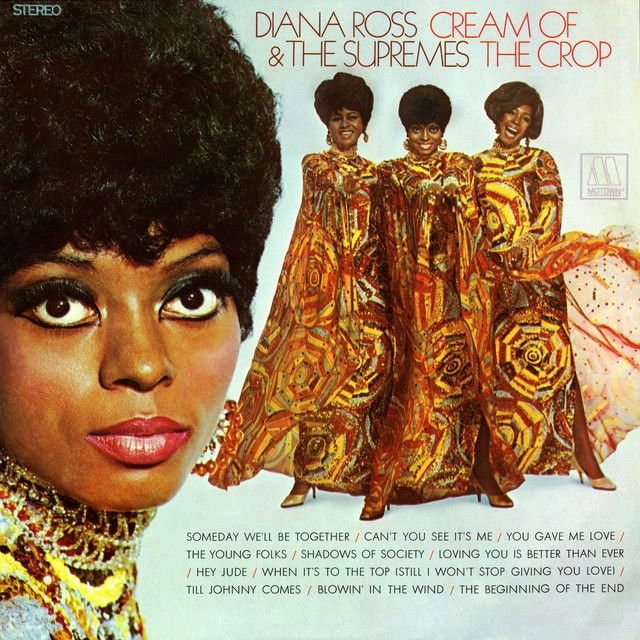
Released in October 1969, the single became the final U.S. No. 1 credited to Diana Ross & the Supremes and the last No. 1 on the Billboard Hot 100 of the 1960s. It also arrived as Ross was leaving the group, which gave the song an emotional weight beyond its lyrics. Factually, it was written by Johnny Bristol, Jackey Beavers, and Harvey Fuqua, first recorded by Johnny & Jackey in 1961, and later reworked by Motown for Ross in 1969.
A Love Song Built on Distance and Certainty
At its core, the song speaks from the point of view of someone who lost a lover and still believes the break is not final. The singer admits separation, remembers an earlier mistake, and keeps returning to one idea: someday we'll be together
. That line matters because it is not a demand. It is a vow.
The verses make that hope feel earned. The narrator says the other person is far away from me
, then ties their faith to something larger, almost cosmic, by mentioning the stars. That jump from private pain to big, universal imagery makes the feeling sound steady rather than dramatic.
There is also confession in the song. When the singer says they made a big mistake
, the track stops being just dreamy and becomes personal. They are not only missing someone; they know they helped cause the separation.

Watch the official Someday We'll Be Together
music video
The Emotional Timeline Beneath the Chorus
The story moves in a clear arc:
- They are apart from the person they love.
- They insist their feelings never changed.
- They admit regret over saying goodbye.
- They imagine a future reunion.
That structure is why the chorus hits so hard. Each return to the title line feels less like repetition and more like self-reassurance. By the time the singer declares yes we will
, they are trying to keep hope alive through sheer belief.
Someday we'll be together
Some sweet day
Yes we will
Those words are plain, but that simplicity is the point. The song does not argue a case or explain every detail. It circles one wish until the wish becomes almost spiritual.
Why the Song Also Sounds Like a Farewell
This is where context changes meaning. According to widely documented accounts, the recording was effectively made as a Diana Ross solo performance, with session singers on background vocals rather than Mary Wilson and Cindy Birdsong. Producer Johnny Bristol also left in his audible ad-libs, which were reportedly accidental at first but kept because Berry Gordy liked the take.
That history matters because listeners heard the record as more than a reunion song. It felt like a parting statement from Ross and the Supremes at the end of a decade they had helped define. As a result, the lyric promise of reunion gained a second meaning: not just lovers finding each other again, but fans holding onto a group they were about to lose.
Interpretation: this double meaning is a big reason the song feels bittersweet instead of purely romantic. The words look forward, but the release context points backward.
How the Production Carries the Meaning
The sound is crucial. The arrangement pairs orchestral strings with the grounded pulse of the Funk Brothers, creating something rich, soft, and slightly aching. It is polished Motown, but it also has a drifting, almost ceremonial quality.
Ross sings with restraint rather than force. That choice keeps the song intimate. She does not sound like someone trying to win an argument; she sounds like someone trying not to fall apart.
Johnny Bristol's background prompts add a human touch. His interjections feel less like formal backing vocals and more like someone in the room urging the singer onward. That gives the track warmth and urgency at the same time.
Critics have often noticed this blend of grandeur and sadness. Tom Breihan of Stereogum described it as a "regal swirl" with "bittersweet poise," which captures why the recording feels so stately and wounded at once.
A Bigger Meaning Beyond Romance
Motown sometimes presented the song in broader ways during live performances, and over time many listeners heard it as a song of social hope too. In late 1969, with civil rights struggles and anti-war protest still shaping American life, a repeated promise of future togetherness could sound communal, not just romantic.
Interpretation: that does not mean the song was secretly written as a political anthem. The literal lyric remains about lost love. But great pop songs often open outward, and this one does exactly that. Its language is simple enough to fit many kinds of longing: a relationship, a group, a decade, even a country trying to believe in repair.
The Lasting Meaning of the Song
So what is the meaning of Someday We'll Be Together Diana Ross & The Supremes? Most clearly, it is about remorse and hope after separation. The singer knows love was damaged, but they refuse to treat that damage as permanent.
Its lasting power comes from context and sound. Because it arrived at the end of Ross's run with the Supremes and at the end of the 1960s, it naturally became a goodbye song too. The beauty of the record is that it holds both ideas at once: heartbreak in the present and faith in the future.
That is why the song still moves people. It offers no plan, only belief. Sometimes that is enough.
Disclaimer: This interpretation mixes documented history with informed reading of the lyrics and performance. Like many classic songs, it can support more than one meaning.








