Why 'Alles nur geklaut' Still Feels So Sharp
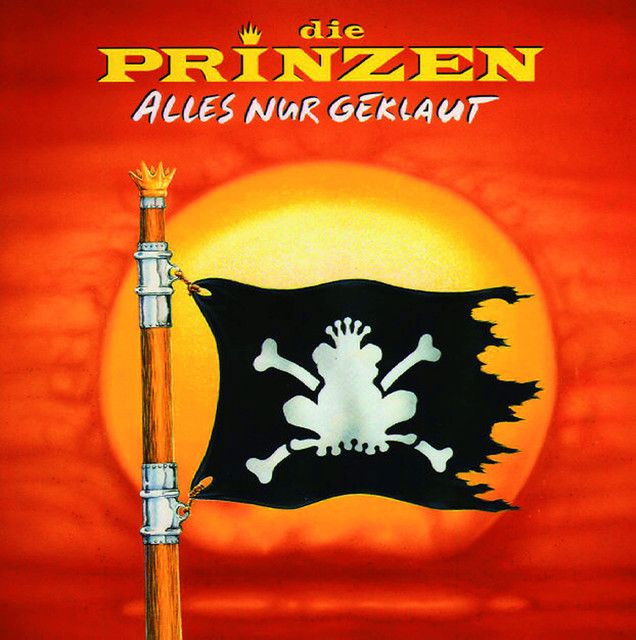
The meaning of Alles nur geklaut Die Prinzen comes through fast: it is a funny, catchy song about fraud, imitation, and the strange confidence people use to sell stolen ideas as their own. What makes it last is not just the joke. It is the way Die Prinzen turn that joke into a pop mirror, showing how fame, wealth, romance, and even moral purity can be built on borrowed material.
"Alles nur geklaut" - Die Prinzen
Die ganze Nation kennt ihn schon
Alle singen mit (eh oh, eh oh)
Loading lyrics...
Unable to load lyrics
We're unable to display the lyrics at this time. Please try again later.
Released by German pop group Die Prinzen, the track became one of their signature songs and helped define their witty public image. The band is widely known for harmony-driven pop with satirical lyrics, a style reflected in their broader catalog and public profile on sources such as their official site and discographies like Discogs. In the provided context, Tobias Künzel is named as the songwriter, which fits the band’s reputation for smart, comic writing.
A Cheerful Confession at the Center
At heart, the song is built around a simple twist. The narrator boasts about success, talent, and charm, then admits it is alles nur geklaut
—all just copied. That confession turns the whole song inside out.
Instead of protecting a secret, the narrator almost enjoys telling it. He sounds proud, not ashamed. That is what makes the satire work: the song suggests that in modern culture, confidence can matter more than truth.
nur gezogen und geraubtEntschuldigung, das hab' ich mir erlaubt
Those lines do not ask for real forgiveness. They act more like a shrug. The song’s comic power comes from treating theft of ideas as if it were only a small social mistake.

Watch the official Alles nur geklaut
music video
How the Verses Build the Theme
Each verse takes the same idea into a different part of life. First, the narrator claims to have written a massive hit and to be admired for being clever. Then he admits the work is not original at all. In other words, art itself becomes performance, and authorship becomes a costume.
The next section widens the joke. Wealth, a shiny car, a grand home, and heroic status are all presented as symbols of success. But the song undercuts them. The message is that public image can be assembled from signs of luxury just as easily as a song can be assembled from borrowed parts.
Then the song moves into romance. The narrator tries to impress someone with a poem he says he wrote, but he did not. This matters because it shows that the theme is not only about music business plagiarism. It is about using other people’s words to create a false self.
The Chorus as Social Satire
The chorus is the reason the song stuck. It is repetitive, easy to sing, and almost gleeful in how openly it admits deception. When the narrator says gar nicht meine
, the hook becomes bigger than one lie. It points to a whole system where ownership, originality, and authenticity are shaky.
Interpretation: One strong reading is that the song mocks pop culture’s hunger for novelty. Audiences want something “new,” but much of popular art is built from familiar formulas, references, and recycled sounds. Die Prinzen compress that uncomfortable idea into a chorus catchy enough to prove the point.
A second reading is more personal. The song can also be heard as a comic portrait of impostor syndrome. The narrator keeps winning admiration while fearing someone will notice the fraud. That fear appears early when he hopes nobody spots the trick.
Why the Ending Changes the Song
The final section is important because the target shifts. After confessing his own fakery, the narrator points outward. He suggests the other person is not innocent either, and their halo should not be trusted.
That move changes the song from self-mockery into a wider social critique. The idea is no longer just “I am a fake.” It becomes “everyone is borrowing, pretending, or hiding something.” The accusation Wer hat dir das erlaubt?
lands because it throws the earlier joke back at the world.
This ending keeps the song from feeling one-note. It adds a little bite beneath the playful surface. Satire works best when it does not only expose one fool, but a whole habit.
How the Sound Helps Sell the Joke
Musically, the song’s brightness matters as much as the lyrics. Die Prinzen are known for tight vocal harmonies and clean, accessible pop production, with roots in vocal ensemble singing discussed in broad band histories such as German music references. Here, the arrangement feels upbeat, polished, and communal.
That is the point. A darker or heavier production would make the confession feel guilty. Instead, the cheerful tempo and group chant energy make deception sound fun, even shareable. The audience ends up singing along to a song about artistic theft, which is exactly the band’s prank.
There is also a subtle irony in how smooth the song sounds. It presents itself like an undeniable pop hit while joking about how hits get made. Form and message support each other.
Why It Still Connects Today
For American listeners discovering it now, the meaning of Alles nur geklaut Die Prinzen still feels current because modern culture runs on remix, reposting, imitation, and branding. Online, people borrow jokes, aesthetics, captions, and identities at high speed. The song saw that logic early and turned it into a singalong.
Its humor also keeps it from sounding preachy. Die Prinzen do not stand above the problem. They jump inside it, grin, and confess. That makes the message easier to accept.
The Last Word on Its Meaning
In the end, “Alles nur geklaut” is about more than stealing. It is about the performance of originality in a world built from influence, copying, and polish. The narrator lies about art, money, love, and virtue, then hints that everyone else does too.
That is why the song remains clever: it is catchy enough to entertain, but sharp enough to make listeners question what counts as authentic in the first place.
Disclaimer: This interpretation separates factual context from critical reading. Meanings in songs can vary by listener, and some points above are informed interpretation rather than confirmed artist intent.








