Why "Zehn kleine Jägermeister" Still Bites
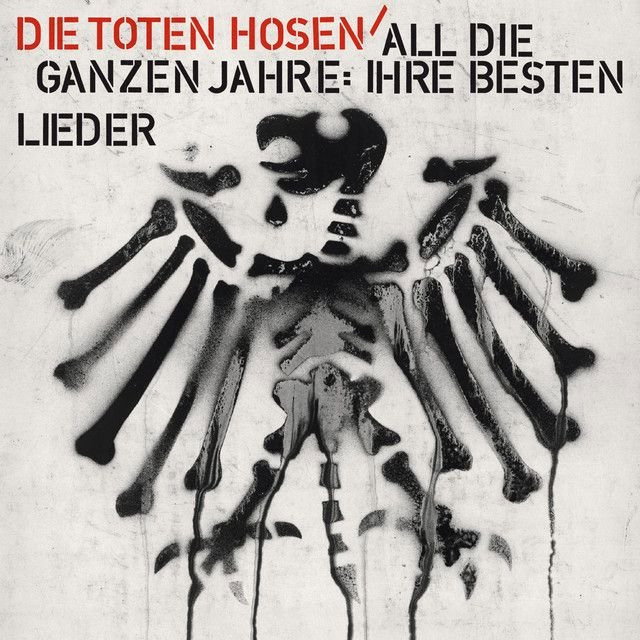
The meaning of Zehn kleine Jägermeister Die Toten Hosen starts with a joke and ends with something colder. On the surface, the song is a fast, funny countdown: ten drinkers become fewer and fewer through a string of disasters, crimes, and stupid choices. But Die Toten Hosen use that structure to say something bigger about life, loss, and how quickly people learn to move on.
"Zehn kleine Jägermeister" - Die Toten Hosen
Den einen hat es umgehauen, da waren's nur noch neun
Neun kleine Jägermeister wollten gerne erben
Loading lyrics...
Unable to load lyrics
We're unable to display the lyrics at this time. Please try again later.
The band came out of Germany’s punk scene and built a reputation for mixing humor, politics, and big singalong hooks. That matters here. This is not a sad ballad about grief. It is a sarcastic anthem that turns misfortune into group entertainment.
A Counting Song With Teeth
The basic setup is simple. Each verse removes one of the “little Jägermeisters” through a different situation: drugs, greed, traffic, romance, taxes, police, the military, and asylum. The pattern sounds childish at first, which is part of the point.
Interpretation: the song borrows the shape of an old counting rhyme and corrupts it on purpose. By putting adult vice and social ugliness inside a playful frame, Die Toten Hosen make the listener laugh, then notice how brutal the joke really is.
A few short phrases show that mood shift. The song opens with zehn kleine Jägermeister
, a comic setup. Soon after, the refrain answers with so geht's im Leben
, meaning life simply works this way. That is where the humor turns hard.
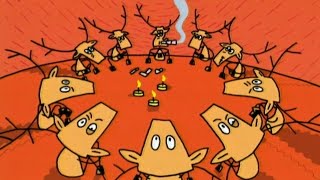
Watch the official Zehn kleine Jägermeister
music video
What the Chorus Really Means
The verses are funny because each exit is absurd. The chorus is what gives them meaning. When the band sings wenn einer fort ist
, they are not mourning in a tender way. They are almost mocking the idea that the world should stop for one person.
That attitude becomes clearer with Mensch, ärger dich nicht!
The phrase echoes a children’s board game title, but here it means: do not waste time sulking, because everyone gets hit eventually. In plain terms, the chorus says that loss is normal, heartbreak is survivable, and nobody is guaranteed special treatment.
Einer für alle
alle für einen
Einmal trifft's jeden
That short section sounds like solidarity, but the song twists it. Group loyalty exists only until the next person disappears. Interpretation: the chorus is about fake unity as much as resilience. They shout together, yet each person is still replaceable.
The Targets Behind the Comedy
Part of the meaning of Zehn kleine Jägermeister Die Toten Hosen is social satire. The song does not stay in private bad luck. It points at institutions and habits that shape public life.
A few examples stand out:
- inheritance turns one verse into a joke about greed
- speeding turns another into a joke about reckless masculinity
- tax avoidance becomes a jab at selfishness
- police control becomes a joke about authority
- the asylum line turns into a dark comment on exclusion
These scenes are exaggerated, but they are not random. They sketch a society where people cheat, compete, and get punished, while everyone else keeps singing.
Sound: Why It Feels Like a Party
The music is crucial. Die Toten Hosen play the song with a brisk punk-rock drive: fast drums, chugging guitars, and a huge chorus built for crowds. That arrangement keeps the track from feeling heavy, even though the subject is full of disappearance and death.
This contrast is the engine of the song. If it were slower, the lyrics might sound cruel. Because it is upbeat, the song feels like communal release. The listener is invited to laugh, chant, and keep moving.
Interpretation: that sound mirrors the message. Life can be ugly, but popular music often helps people survive by turning fear into rhythm. The band does not deny pain; they outshout it.
Who Is Speaking Here?
There is no deep individual narrator. The song works more like a public voice, almost a crowd voice, watching these figures vanish one after another. That makes the storytelling feel detached on purpose.
In third-person terms, they present the characters as types, not rounded people. The “Jägermeisters” stand for a loose social group: hard-drinking, foolish, opportunistic, and ordinary. Because they are barely individualized, the listener focuses less on one victim and more on the pattern itself.
That pattern says a lot: anyone can be next. One mistake, one encounter, one bad turn, and the count changes.
Two Strong Ways to Read It
There are at least two useful readings.
A fatalistic life lesson
The first reading is that the song is about accepting loss. The chorus keeps insisting that heartbreak is not the end of the world. In that sense, the song is rude but practical. It tells people to keep going.
A satire of public numbness
The second reading is sharper. Interpretation: the song may be mocking how easily groups normalize suffering. Every verse removes someone, and the answer is basically a shrug. That can sound less like wisdom and more like moral laziness.
Both readings fit because the song balances toughness and cynicism at the same time.
Why the Song Endures
The track remains memorable because its structure is immediate and its hook is huge. Even listeners who do not catch every reference can feel the countdown and the chorus working together. It is catchy, mean, and smart in a very punk way.
For U.S. listeners, the cultural specifics may feel unfamiliar, but the core idea is not. This is a song about how people joke around pain, how society teaches emotional survival, and how groups often treat loss as one more thing to sing through.
In the end, the meaning of Zehn kleine Jägermeister Die Toten Hosen is not just that people disappear one by one. It is that the world rarely pauses when they do. The band turns that truth into a rowdy singalong, which is exactly why the song still hits.
Disclaimer: This interpretation is based on the song’s lyrics, tone, and cultural context. As with many satirical songs, listeners may reasonably hear different meanings in it.







