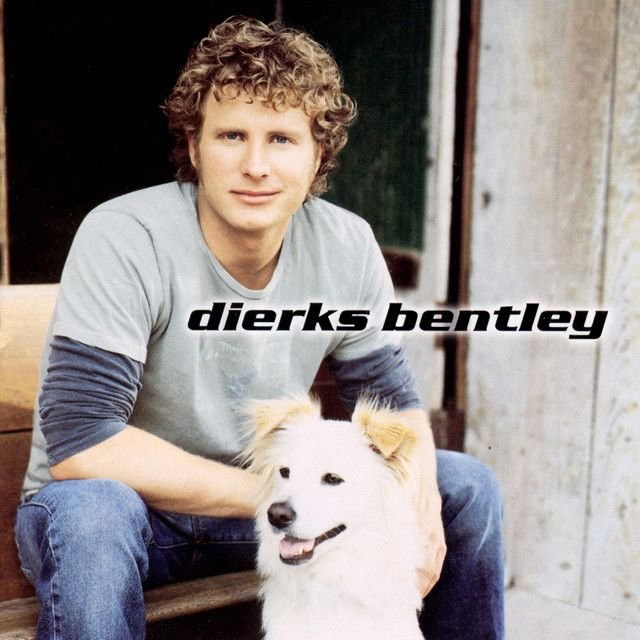
What Was I Thinkin' by Dierks Bentley
A debut single built on bad decisions and big charm
The meaning of What Was I Thinkin' Dierks Bentley starts with a simple idea: desire can make people ignore every warning sign in front of them. The song tells a fast, funny story about a young man who knows he is heading toward trouble, yet keeps going anyway.
"What Was I Thinkin'" - Dierks Bentley
Her Daddy had a heart like a nine pound hammer
Think he even did a little time in the slammer
Loading lyrics...
Unable to load lyrics
We're unable to display the lyrics at this time. Please try again later.
Released on April 14, 2003, as the lead single from Bentley's self-titled debut album, the track became his first No. 1 on the U.S. Billboard Hot Country Songs chart and reached No. 22 on the Billboard Hot 100. It was written by Dierks Bentley, Brett Beavers, and Deric Ruttan, and produced by Beavers. Those facts matter because the song did more than launch a hit; it introduced the mix of humor, speed, and country swagger that would help define Bentley's early image.

Watch the official What Was I Thinkin'
music video
The core story: attraction outruns common sense
On the surface, this is a wild-night narrative. The singer sneaks out with Becky, gets chased by her father, dodges the law, gets into a bar fight, and still ends up ready to do it all again.
But beneath the comedy, the song is about impulse. Each verse adds a new level of risk, and each time the hook asks the same question: how could anyone think this was a smart idea? The answer is that he was not really thinking at all.
The chorus makes that clear. When he focuses on little white tank top
and a long kiss
, the song shows that physical attraction has narrowed his whole view. He is not weighing consequences; he is chasing a feeling.
Why the chorus matters more than the plot
The title phrase What was I thinkin'?
sounds like regret, but the tone is more amused than broken. That is a big part of the song's appeal. They are not hearing a tragic confession. They are hearing someone laugh at the kind of reckless night that becomes a legend later.
Interpretation: the chorus works because it splits the narrator in two. One version of him is inside the moment, all appetite and motion. The other is looking back, amazed by how little judgment he had. That tension gives the song both humor and momentum.
It also keeps the singer likable. If the song only celebrated macho chaos, it might feel flat. Instead, the repeated self-questioning turns the narrator into the butt of the joke.
A step-by-step timeline of the chaos
The song moves like a short movie, and each scene raises the stakes:
- Becky slips out to meet him.
- Her father appears with a gun, and the getaway begins.
- The pair outrun danger with the cops
nippin' on our heels
. - The night turns rowdier with dancing and a fight.
- He gets her home, only to find her father waiting again.
- One grin later, they take off once more.
That last turn matters. Even after everything, the story does not end with a lesson learned. It ends with the same weakness returning. That tells listeners the song is less about moral growth than about the thrill of surrendering to youth and desire.
Becky, the father, and the country-comedy setup
Becky is not developed as a deep character, and that is intentional. She functions as the spark that pulls the narrator into motion. Her energy is daring, flirtatious, and a little dangerous.
Her father, meanwhile, is exaggerated almost to cartoon level, which gives the song its Southern comic style. Descriptions like nine pound hammer
make him feel larger than life. He is not just a parent; he is the living symbol of consequences.
Interpretation: the father is the song's reality check. Every time romance pushes forward, he appears as a reminder that actions have costs. The joke is that the narrator sees that reality and still floors the gas.
How the music carries the meaning
Musically, the song is built to feel like movement. Research on the song's composition notes a moderately fast tempo and a driving chord pattern in F minor. Even without technical language, listeners can hear how the guitars and rhythm section push the story forward.
That up-tempo approach is crucial. A slower version would sound reflective or sad. This one sounds breathless and grinning. The band gives the chorus lift, and Bentley's vocal delivery leans into a half-laughing, half-bragging style that fits the story perfectly.
This energy was part of why the song connected so quickly. Critics at the time noted its strong hook and momentum, and fans embraced its rowdy charm. The single later earned multi-platinum certification in the United States, showing how durable that appeal has been.
The song's place in Dierks Bentley's career
As a debut single, "What Was I Thinkin'" had a big job: introduce Bentley as more than another Nashville newcomer. It did that by blending traditional country storytelling with a modern, radio-ready punch.
Song history around the track also adds color. Bentley has said the spirit of the song drew from youthful mischief in his own life, and reporting around the single connects it to a period when he was working around Nashville music television and the Grand Ole Opry scene. That background helps explain why the song feels so lived-in rather than purely invented.
Final take: a reckless night told with a grin
The meaning of What Was I Thinkin' Dierks Bentley is not complicated, but it is sharp. The song captures the moment when attraction, ego, and excitement overwhelm judgment. It turns that loss of control into a funny, vivid country story.
Interpretation: what lasts is not the plot twist or the chase. It is the familiar human truth underneath it: people often understand their feelings long before they understand their choices.
That is why the song still works. It is loud, fast, and playful, but it also knows exactly how foolish young desire can look in hindsight.
Disclaimer: This interpretation separates documented facts about the song from critical reading of its themes and imagery. Meaning can vary from listener to listener.







