Why 'The Humpty Dance' Still Feels Liberating
The meaning of The Humpty Dance Digital Underground starts with a joke, but it does not end there. On the surface, the 1990 hit is a goofy party record built around a wild character, a strange dance, and a stream of punch lines. Under that surface, though, Digital Underground turn embarrassment into swagger.
"The Humpty Dance" - Digital Underground
(Oh, oh, do me, baby)
All right, stop whatcha doin' 'cause I'm about to ruin
Loading lyrics...
Unable to load lyrics
We're unable to display the lyrics at this time. Please try again later.
They make room for people who do not fit the usual image of cool. That is why the song has lasted: it is funny, danceable, and oddly freeing at the same time.
The Real Point Behind the Laughs
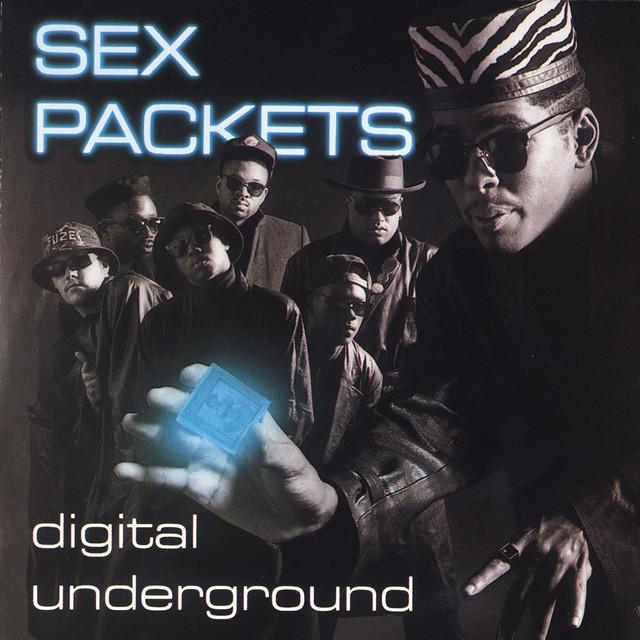
Digital Underground were known for blending hip-hop with funk, comedy, and theatrical characters. The group, led by Shock G, used Humpty Hump as an alter ego with a fake nose, glasses, and exaggerated confidence. Factually, the song appeared on Sex Packets and became the group’s breakout hit, helping define their playful style in early 1990s rap.
The song’s core idea is simple: if people think they look weird, they can own it before anyone else weaponizes it. Early on, Humpty announces he is about to ruin the image
. In plain terms, he is attacking narrow standards of style and attractiveness. Instead of asking for acceptance, he makes himself impossible to ignore.
That makes the song feel bigger than novelty. It is about self-creation. Humpty is not trying to prove he is elegant. He is proving he can be memorable, funny, and desired on his own terms.

Watch the official The Humpty Dance
music video
Humpty Hump as Mask and Message
A character built from exaggeration
Humpty brags constantly, but the bragging is part of the joke. He calls attention to his looks, his body, and his odd behavior before critics can do it for him. When he says I look funny
, the line works like a shield and a punch line at once.
Interpretation: the character lets Digital Underground parody rap masculinity without stepping outside the genre. Humpty talks big like a rap star, but he does it in such an absurd way that the performance becomes self-aware. That balance is a big part of the song’s meaning.
Confidence without polish
The song also rejects the idea that sex appeal must be refined. Humpty is awkward, chaotic, and shameless. Yet he insists he still succeeds socially and romantically. That claim is comic, but it carries a real point: coolness can be performed, and beauty standards are less stable than they seem.
How the Verses Build the Theme
The lyrics move in a clear pattern:
- Humpty introduces himself as a disruptive outsider.
- He turns insults about his looks into jokes.
- He boasts about charm and attention.
- He invites everyone into a dance built on looking ridiculous.
That final step matters most. The song does not stay trapped in one man’s ego. It becomes communal. The chorus, built around do the Humpty Hump
, turns a personal defense mechanism into a public celebration.
No two people/will do it the same
That brief idea explains the whole record. The dance is intentionally messy. People know they are doing it right when they look wrong. The point is not precision. The point is freedom.
The Chorus Turns Weirdness Into Belonging
A lot of novelty songs ask listeners to copy a dance. This one asks them to drop their fear of looking foolish. That is why the hook lands so well. It is repetitive, simple, and open to anyone.
Later, the song calls out different groups of people and invites them all in. That broad roll call gives the record a democratic feeling. Instead of treating difference as a barrier, the song treats the dance floor as common ground.
Interpretation: this is why the track feels liberating. Humpty’s oddness stops being an individual flaw and becomes the rule of the room.
Why the Music Sells the Meaning
The production is crucial. Digital Underground draw heavily from Parliament-Funkadelic style, which fits because Shock G openly admired that tradition and the writing credits reflect a connection to funk lineage. The groove is springy and loose, with thick bass, crisp drum programming, and a party-chant chorus.
That sound matters because it avoids tension or menace. Even when the verses get outrageous, the beat keeps everything playful. The bassline bounces rather than threatens. The vocal delivery is animated, nasal, and theatrical, making Humpty sound more like a live-wire entertainer than a hard-edged narrator.
In other words, the music tells listeners not to overthink the character. They are supposed to laugh, move, and join the bit.
Comedy, Sex, and Satire in the Same Package
There is no denying the song is full of raunchy humor. Some lines are crude on purpose, and that has always been part of its shock value. But the song’s sexual bragging is so exaggerated that it often plays like parody rather than confession.
That matters for the meaning of The Humpty Dance Digital Underground because the song mocks the idea that a rapper must appear smooth, flawless, and intimidating. Humpty is the opposite. He is clownish, noisy, and proud of it.
A key phrase is I'm still gettin' paid
. Paraphrased, the message is that success does not require fitting the usual visual ideal. In Humpty’s world, charisma beats perfection.
Why the Song Still Connects
The track remains popular because it captures a timeless wish: to be accepted without becoming polished into sameness. Its humor makes that lesson easier to hear. People come for the dance and the jokes, but they stay for the confidence underneath them.
Digital Underground made a party song that quietly argues for individuality. They suggest that when people laugh at themselves first, they can take control of the room. That is both the joke and the truth at the center of the song.
Final Take on Its Lasting Meaning
In the end, the meaning of The Humpty Dance Digital Underground is not just about a silly character or a catchy hook. It is about performance as survival, humor as armor, and dancing badly on purpose so nobody else gets to define what cool looks like.
That reading is an interpretation based on the lyrics, performance style, and musical context. Like most songs, it can support more than one meaning.







