Why “Doublewhiskeycokenoice” Hits So Hard
For anyone searching for the meaning of Doublewhiskeycokenoice Dillinger Four, the short answer is this: it is a song about drinking as relief, drinking as ritual, and drinking as a way to survive a night when life feels cheap, tiring, and hard to explain.
"Doublewhiskeycokenoice" - Dillinger Four
Spoiled baby tee's with credit cards
Overtime always on my mind
Loading lyrics...
Unable to load lyrics
We're unable to display the lyrics at this time. Please try again later.
Dillinger Four never sound romantic about pain for very long. They make it messy, funny, and human. That is what gives this song its staying power.
A Drinking Song That Knows Better
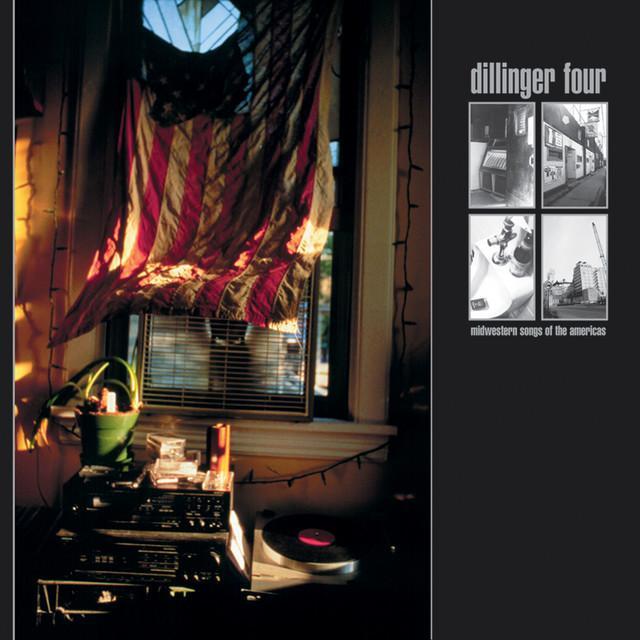
Released on Midwestern Songs of the Americas, this track comes from a Minneapolis punk band known for turning sarcasm, exhaustion, and class-conscious frustration into huge shout-along hooks. According to an A.V. Club essay, the song works because it is neither a simple party anthem nor a lecture about alcohol. It captures the unstable middle ground.
That middle ground is the whole song. The narrator is overwhelmed by work, money, and social emptiness. They notice shallow consumer habits, think about lost chances, and keep circling back to the same problem: they cannot cleanly say what hurts.
When the song uses the phrase can’t seem to say what I mean
, it sums up the emotional trap. Alcohol loosens the speaker up, but it does not magically make them clearer. It only makes confession more possible and more unreliable at the same time.

Watch the official Doublewhiskeycokenoice
music video
The Story Inside the Chaos
A night built from irritation
The verses pile up little details that feel small on their own but crushing together. There are hints of dead-end labor, wasted overtime, status symbols, and old disappointments. The song’s world feels overworked and undernourished.
This is why the opening complaints matter. They are not random jokes. They show a person who feels trapped in a culture of shallow rewards and constant strain.
A barroom scene turns inward
Midway through, the song shifts into a scene with drinks, a loud mouth, and rising annoyance. The narrator orders more, listens to some blowhard relive the past, and grows even more detached. The phrase back in the day
is not quoted with nostalgia. It is used like an eye roll.
Interpretation: This section is about more than one annoying guy. It shows the emptiness of social scenes that promise connection but often deliver performance, ego, and repetition.
The Big Themes Beneath the Buzz
Loneliness is the real subject
For all the alcohol talk, the deepest need in the song is companionship. Near the end, the narrator reaches outward instead of inward. They want to call people over, fill a basement, and make the night bearable.
That desire is captured in the plain line I don’t want to be alone
. It is one of the song’s most important moments because it strips away the jokes. Beneath the swagger is somebody asking for company before despair gets louder.
basement full of boozesome blues to loseignore the whole world tonight
Those lines do not promise healing. They promise a pause. The world stays broken, but friendship and noise may keep it at a distance for one more evening.
Pride without glamour
The Nelson Algren reference is crucial. Algren wrote often about people on the rough edges of American life, and the song uses him as a patron saint for the battered and unpretty. When the lyric says celebrate the ugly things
, it reframes pride.
Interpretation: The song suggests that dignity may live not in success or polish, but in endurance. Surviving ugly days, bad habits, and failed plans may be its own kind of pride.
Why Otis Redding Matters Here
The mention of Otis Redding gives the song another layer. Otis stands for soul, feeling, and emotional truth. The narrator invokes him almost like a protector of sincerity, even while admitting they may sing things wrong.
That tension matters. They are not a polished truth-teller. They are flawed, drunk, sentimental, and searching. Soul music becomes a model for honest feeling, even when the speaker cannot fully live up to it.
This also fits Dillinger Four’s larger gift: they mix punk speed with a real love for melody and classic emotional directness. Their songs rant, but they also reach.
How the Sound Carries the Meaning
Musically, “Doublewhiskeycokenoice” moves with the force of a bar crowd shouting over its own problems. The guitars are brisk and ragged, the drums push hard, and the vocals sound half exasperated, half exhilarated. That matters to the meaning of Doublewhiskeycokenoice Dillinger Four because the arrangement turns private burnout into communal release.
The song does not sound elegant. It sounds lived in. Its roughness mirrors the lyric’s emotional state: overcaffeinated, overserved, overworked. Yet the hooks are strong enough to feel uplifting. That contrast is the trick. The band make despair sound survivable for three minutes.
A Song About Escape That Refuses Fantasy
A lesser drinking song would end by pretending the bottle solved everything. This one does not. Even its comfort feels temporary and knowingly so. The final mood is not triumph. It is closer to a ceasefire.
That is why the song still lands. It understands that people sometimes gather, drink, sing, and joke not because life is great, but because life is difficult and they need each other.
In that sense, the song is less about intoxication than about improvised community.
Final Take on Its Meaning
The meaning of Doublewhiskeycokenoice Dillinger Four is found in its split heart: it sees alcohol as both social glue and emotional mask. It mocks false nostalgia, admits personal confusion, and finally reaches for friends instead of answers.
Interpretation: The song argues that there is no clean cure for alienation, but there is value in honest mess, shared rooms, loud songs, and making it through the night together.
Disclaimer: This interpretation is based on the lyrics, recorded performance, and available public context. Like most great songs, it can support more than one reading.








