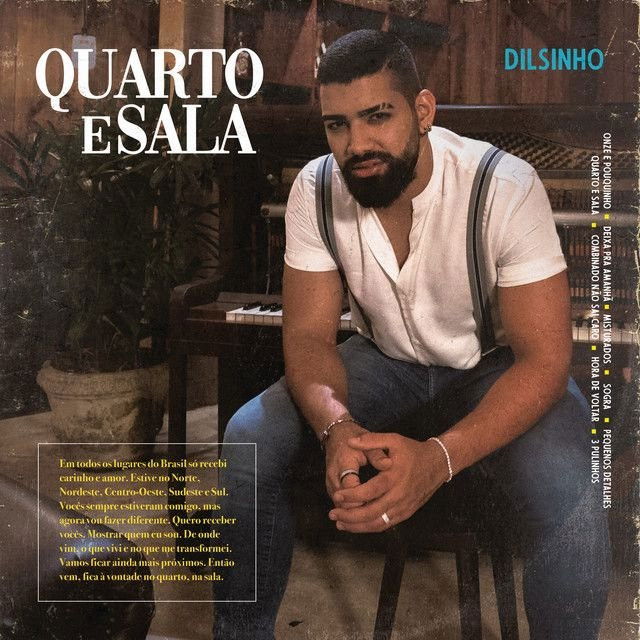
Why "Onze e Pouquinho" Hits So Hard
The meaning of Onze e Pouquinho Dilsinho comes down to one sharp idea: two people try to keep things casual, but real feeling enters the room anyway. The song takes a familiar late-night setup and turns it into a quiet emotional confession. Instead of big drama, it focuses on the moment someone realizes they are less in control than they thought.
"Onze e Pouquinho" - Dilsinho
Maturidade pra isso
Eu não tenho, nenhuma
Loading lyrics...
Unable to load lyrics
We're unable to display the lyrics at this time. Please try again later.
Dilsinho has built much of his appeal on modern pagode that mixes smooth romance with everyday language, and this song fits that image well. In the prompt, the song is credited to writers Marco Carvalho and Raffa Torres, whose writing here keeps the story direct and easy to picture.
A Casual Plan That Stops Being Casual
At the start, the narrator believes they have the emotional distance for this kind of arrangement. They think they have the maturity for something light, with rules and limits. But that confidence falls apart almost immediately.
A phrase like Maturidade pra isso
matters because it frames the whole song as self-evaluation. They thought they could separate attraction from attachment. Soon, they admit the opposite: Eu não tenho, nenhuma
. In plain English, they are saying they do not have the emotional discipline they assumed.
That is why the song feels honest. It is not about chasing love on purpose. It is about discovering that their own heart is more involved than planned.

Watch the official Onze e Pouquinho
music video
The Clock Is More Than a Time Stamp
The title image is small but powerful. Onze e pouquinho
means it is just after eleven, a detail that gives the story routine and realism. This is not a fantasy setting. It sounds like a familiar message, a pickup time, a habit between two people who already know how the night usually goes.
That late hour also carries a theme. Nighttime in romantic songs often lowers defenses. People talk more openly, touch more easily, and make decisions that feel simple in the moment but heavier later.
Why the Late-Night Setting Works
The timeline is simple:
- A meetup is arranged.
- The connection feels physical and relaxed.
- They avoid discussing love directly.
- One person realizes the emotional rules have been broken.
That movement is what makes the song effective. It starts with control and ends with surrender.
The Real Twist Lives in the Chorus
The chorus explains the song better than any single verse. The idea is that this was supposed to be just another easy hangout. But chemistry changes time and meaning. When they are together, the night speeds up, and feelings begin to grow beyond the original agreement.
The key metaphor is the best line in the song: meu coração entrou sem ser chamado
. Before that image, the lyric explains that this extra guest was not part of the plan. The heart becomes a person entering uninvited. That makes the emotion feel both intimate and funny, which is one reason the song is memorable.
Interpretation: this metaphor suggests that love is not shown as a noble choice here. It is shown as an interruption. The narrator did not welcome it, but they cannot deny it either.
Physical Closeness, Emotional Distance
One of the smartest parts of the lyric is how it contrasts bodies and feelings. The two people are deeply close physically, then careful emotionally. They spend time together, talk, and share a bed, yet they avoid naming what is happening.
The song underlines that tension with the idea of acting cold. The narrator describes both of them as trying to behave with distance, almost as if they are pretending the connection means less than it does. Even the goodbye stays restrained.
That mismatch is the heart of the story. Their actions say intimacy. Their rules say detachment. The pain comes from trying to make those two things coexist.
How the Sound Supports the Meaning
Even without detailed production credits in the prompt, the song clearly sits in Dilsinho’s polished pagode lane: gentle groove, romantic vocal delivery, and a chorus built to feel light on the surface while carrying emotional weight underneath. That contrast matters.
Pagode often works best when rhythm keeps things moving while the lyric reveals vulnerability. That is exactly what happens here. The melody likely helps soften the confession, making the narrator sound less broken than surprised. The repeated vocal hook, including the playful Lalaia
section, also keeps the track warm and accessible.
Interpretation: that musical brightness is important because it stops the song from becoming tragic. This is not heartbreak after a breakup. It is the softer panic of catching feelings too soon.
A Modern Dating Story in One Scene
For many listeners, the meaning of Onze e Pouquinho Dilsinho feels current because it captures a now-familiar romantic problem: people agree on something casual, then discover emotions do not follow the contract. The song never needs a huge plot twist. The twist is internal.
It also avoids blame. The narrator does not attack the other person. Instead, they admit, in effect, that they are the one who broke the deal emotionally. That makes the song more mature than it first appears.
Final Take
In the end, "Onze e Pouquinho" is about the gap between intention and feeling. Two people try to keep a late-night relationship easy, but genuine attachment slips in and changes everything.
That is why the song lands so well: it turns a simple hour, a simple plan, and a simple meetup into a confession that many people recognize. Interpretation: the song’s meaning is not that casual love is impossible, but that chemistry can make emotional distance impossible for this narrator.
Disclaimer: This interpretation is based on the lyrics provided and publicly known artist context. As with any song, listeners may reasonably hear different meanings in the same lines.







