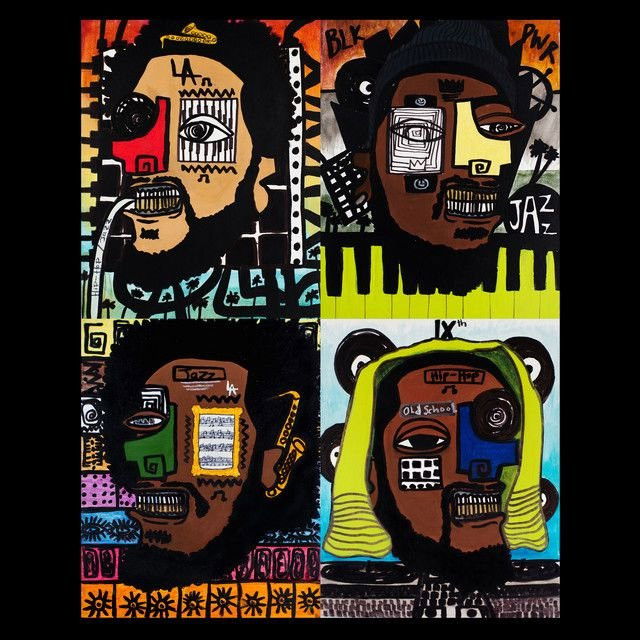
Why “Sleepless Nights” Turns Pain Into Hope
The meaning of Sleepless Nights Terrace Martin, Robert Glasper, 9th Wonder, Kamasi Washington, Dinner Party, Phoelix comes through fast: this is a song about surviving a hard season without giving up on change. Its words are simple, but that simplicity is the point. They build a shared feeling of worry, patience, and steady belief.
"Sleepless Nights" - Terrace Martin, Robert Glasper, 9th Wonder, Kamasi Washington, Dinner Party ft. Phoelix
Ooh
Cloudy days
Loading lyrics...
Unable to load lyrics
We're unable to display the lyrics at this time. Please try again later.
Dinner Party is the jazz-leaning collective made up of Terrace Martin, Robert Glasper, Kamasi Washington, and 9th Wonder, with Phoelix appearing here as a key vocal presence. Their broader collaboration has been covered by major music outlets and label materials, which describe the group as a meeting point for jazz, hip-hop, and soul. That mix matters because this song sounds like comfort even while it talks about strain.
A Small Lyric Set With a Big Emotional Reach
At the center of the song is a contrast between distress and expectation. The opening images, Cloudy days
and Sleepless nights
, are plainspoken ways of saying life feels heavy and unsettled. Instead of dramatic storytelling, the lyric uses everyday signs of stress: bad weather, restless sleep, and endless waiting.
That directness makes the song relatable. They are not hearing a detailed plot with named characters. They are hearing a condition many people know well: lying awake, replaying problems, and wondering when things will finally shift.

Watch the official Sleepless Nights
music video
The Voice Speaks for More Than One Person
One of the most important choices in the song is its use of collective language. The singer says we've been down
, not just “I’ve been down.” That changes the scale. The struggle feels shared.
Interpretation: this can be heard in at least two ways:
- as a personal song about loved ones or a family facing hardship
- as a broader statement about a community waiting for justice, progress, or relief
Because the lyric never narrows itself too much, both readings work. The phrase when we'll get it right
especially suggests more than private heartbreak. It sounds like a question about people, systems, or society as a whole.
From Restlessness to Resolve
The song’s emotional movement is subtle but important. It begins in uncertainty: the speaker is awake, tossing, and thinking. Then it shifts into endurance. Finally, it lands on conviction.
That turn happens through the repeated idea that change is already in motion. The line about change being on the way does not claim everything is fixed now. Instead, it says the speaker has stopped living only inside fear. They are still in the struggle, but they no longer believe the struggle is the whole story.
Know we comin'
Yeah, just keep goin'
Those short lines act like a mantra. They answer worry with movement. Even if the future is not here yet, the song insists it is approaching.
Why the Chorus Feels So Encouraging
The chorus works because it is repetitive without being empty. Each return of Know we comin'
sounds like reassurance. It can mean recovery is coming, success is coming, a better day is coming, or even a people’s moment is coming.
Interpretation: the power of the refrain is that it does not argue. It affirms. After the verse describes stress, the hook refuses to stay there. It keeps pushing forward, almost like a friend talking someone through a bad night.
That is also why just keep goin'
matters. The song is not promising instant rescue. It is praising persistence.
Sound and Production Carry the Meaning
The production style fits the lyric beautifully. Dinner Party’s music is known for blending jazz musicianship with hip-hop beat logic and soul warmth. In this track, the likely effect is a groove that feels patient rather than explosive. That matters because the song is not about panic winning. It is about composure surviving pressure.
Terrace Martin and Kamasi Washington are both associated with rich jazz textures, while Robert Glasper often brings harmonic depth and emotional calm. 9th Wonder’s presence points to rhythmic steadiness and sample-based sensibility. Phoelix’s vocal style adds a human, intimate center. Together, those elements help the song feel grounded.
Instead of making sleeplessness sound chaotic, the music frames it as reflective. The listener hears tension, but also space to breathe. That balance supports the lyric’s message: pain is real, but despair is not the final word.
Symbols Hidden in Plain Language
The imagery is basic, but not shallow. Two motifs do most of the work:
- Night: anxiety, waiting, mental replay, uncertainty
- Weather: emotional heaviness, setbacks, a period that has not cleared yet
Then the song counters those motifs with movement. “Coming” and “going” are action words. They suggest time is not frozen. Even if the speaker feels stuck, history is still moving.
That is a smart contrast. The verses describe stillness and worry. The hook introduces motion and faith.
The Strongest Reading of the Song
The strongest reading is that “Sleepless Nights” is about collective perseverance. It captures the emotional cost of long hardship, then answers that cost with a promise of change. It does not sound naive because it admits the hard part first.
For listeners in the United States, that makes the song easy to connect to many real experiences: economic struggle, racial inequality, personal burnout, family pressure, or simple emotional exhaustion. The song leaves room for all of them.
Final Thought
In the end, the meaning of Sleepless Nights Terrace Martin, Robert Glasper, 9th Wonder, Kamasi Washington, Dinner Party, Phoelix is not hidden in complex poetry. It lives in a clear emotional arc: stress, endurance, belief. The song says that hard nights can be real without being permanent.
That is why its message lands. They take a feeling many people know and turn it into a shared vow to keep moving.
Disclaimer: This article offers an interpretation based on the lyrics, credited writers, and the artists’ known musical style. Song meaning can remain open, and listeners may hear something different.









