Why 'Stand Up And Shout' Still Hits Hard
The meaning of Stand Up And Shout Dio comes through fast: this is a song about breaking out of fear, passivity, and other people’s control. Rather than tell a detailed story, they build a direct message. The song pushes the listener to stop waiting, trust their own strength, and act.
"Stand Up And Shout" - Dio
You've gotta be somewhere at sometime
And they'll never let you fly
Loading lyrics...
Unable to load lyrics
We're unable to display the lyrics at this time. Please try again later.
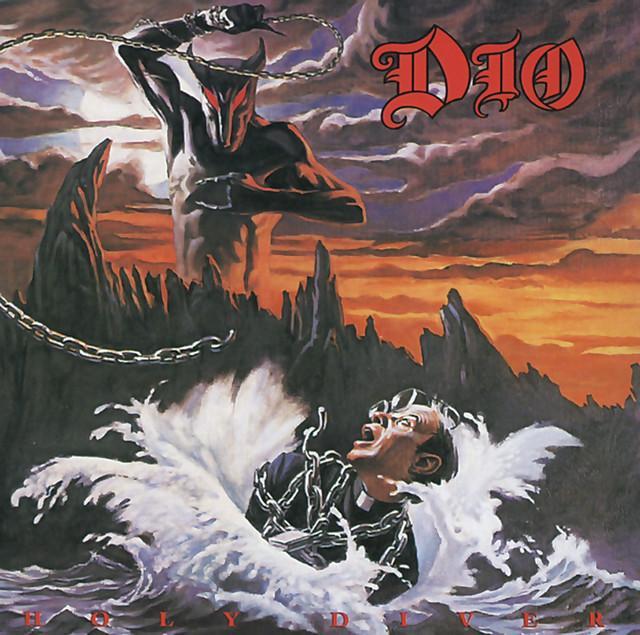
Factually, “Stand Up and Shout” opens Dio’s debut album Holy Diver, released in 1983, and the song is credited to Ronnie James Dio and Jimmy Bain. It is widely listed as a metal or hard rock track and later appeared as playable content in the Rock Band series, which helped keep it visible to newer audiences. Those details are commonly documented in album databases and game references such as Rock Band Wiki.
The Song’s Core Message Is Refusal
At the center, the song rejects a life that feels scripted. The opening idea, paraphrased, says life can feel like an old routine where people are told where to be and when. That frustration is summed up in the short phrase same old song
. They are not singing about boredom alone; they are naming a system that keeps people small.
From there, the lyrics shift into warning. The image of broken glass
suggests danger that hurts before it is even noticed. In plain terms, the song says people can be damaged by bad patterns, pressure, or self-doubt before they fully understand what is happening.
Interpretation: This makes the song more than a simple rebellion anthem. It is also about awareness. Before someone can fight back, they have to see clearly.
Watch the official Stand Up And Shout
music video
How the Chorus Turns Frustration Into Action
The chorus is the song’s emotional engine. It tells the listener they already have desire and power, then gives a command: stand up and shout
. That line is not subtle, but that is the point. It turns inner feeling into visible action.
This matters because the verses describe blocked movement. The chorus answers that blockage with release. First comes recognition of buried energy; then comes expression. The lyric let it out
makes that release sound almost physical, as if silence itself has become a kind of prison.
Interpretation: In this reading, shouting does not only mean making noise. It means claiming space, speaking truth, and refusing to disappear.
Images of Strength That Has Been Trapped
One of the smartest parts of the writing is how often it describes strength that has not yet become action. The person in the song has wings of steel
, but those wings do not carry them anywhere. That is a sharp image for unrealized potential.
The song keeps building that idea with more forceful pictures. Someone is described as stuck, restrained, and unable to turn their life in a new direction. Then the lyrics reverse course: they are not a shadow, not a copy, and not meant to hide.
You are the driver
You own the road
You are the fire
This is the clearest transformation in the song. They move from helpless images to images of control, motion, and explosion. In simple terms, the listener starts as someone acted upon and ends as someone who acts.
Ronnie James Dio’s Style Gives It Extra Weight
Ronnie James Dio was known for writing in a way that mixed fantasy-like symbols with real emotional stakes. Across his career in Rainbow, Black Sabbath, and Dio, he often used vivid images rather than plain self-help language. Biographical overviews and discographies from sources like Britannica note his major role in shaping heavy metal’s lyrical style.
That context helps explain why “Stand Up and Shout” feels bigger than a pep talk. The song uses steel, fire, chains, and roads to make an inner struggle feel epic. It sounds like battle language, but the battle is largely psychological.
There is also a band-history angle here. As the opening track on Holy Diver, the song can be heard as a statement of arrival from a new band led by Dio after his exit from Black Sabbath. Interpretation: That does not prove the lyrics are autobiographical, but it does make the message of self-assertion feel especially fitting.
Why the Sound Sells the Meaning
The production and arrangement matter a lot. The track begins with a hard-charging riff and a brisk tempo, setting a tone of urgency right away. The rhythm section keeps everything moving forward, while the guitars punch the chorus into anthem territory.
Dio’s vocal delivery is crucial too. He does not sing these lines like private diary entries. He projects them like commands from a stage, which fits the song’s push toward courage and expression. The hook is built to be yelled back, and that shared energy helps explain why the song worked so well live and why it later translated naturally into rhythm games like Rock Band.
A Few Strong Readings of the Song
There is more than one useful way to hear the song:
- Personal empowerment: a call to stop shrinking and start acting.
- Social resistance: a refusal to obey systems that crush individuality.
- Artistic self-definition: a declaration of identity from a new band beginning its run.
All three readings fit the lyrics because the words stay broad enough to invite different listeners in.
Final Take on the Meaning
The meaning of Stand Up And Shout Dio is ultimately about waking up to one’s own strength and using it. The song begins in frustration, moves through recognition, and lands on open defiance. That arc is why it still feels powerful decades later.
Its genius is its simplicity: they take trapped energy and turn it into motion, voice, and fire. That interpretation is based on the lyrics, context, and sound, but like any song reading, it remains an informed interpretation rather than a confirmed single meaning.








