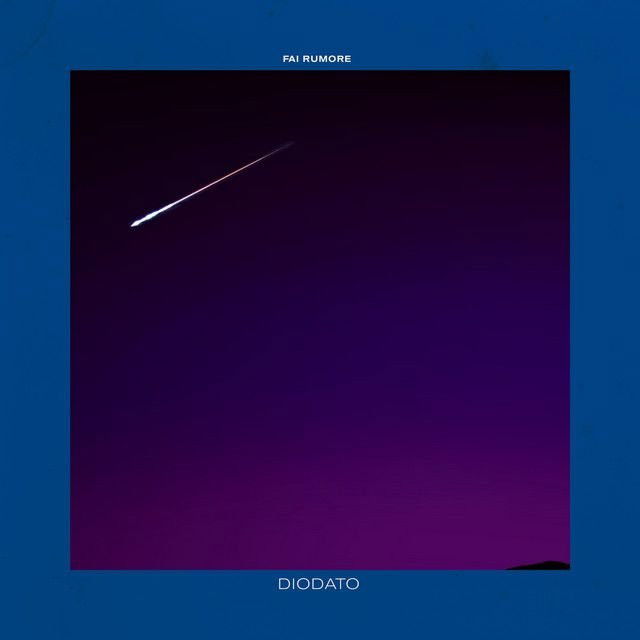
Why 'Fai rumore' Still Echoes: Diodato’s Call to Speak
It’s rare for a breakup ballad to feel both intimate and public. Diodato’s “Fai rumore” (“Make noise”) became exactly that—first a personal confession, then a shared catharsis. This guide unpacks the meaning of Fai rumore Diodato for U.S. listeners who may have discovered it through its wave of acclaim in 2020.
"Fai rumore" - Diodato
Che non dovrei pensare
Che se poi penso sono un animale
Loading lyrics...
Unable to load lyrics
We're unable to display the lyrics at this time. Please try again later.
At Its Heart: A Battle Between Quiet and Connection
The song’s core is simple: silence hurts more than conflict. When Diodato repeats fai rumore
, he’s asking for presence, not volume—for words, honesty, and the friction of real contact. He frames quiet as a threat, calling it an silenzio innaturale
between two people who still affect each other.
Interpretation: He would rather face hard truths than endure absence. The “noise” he wants is conversation, even argument—anything that proves the bond is still alive.

Watch the official Fai rumore
music video
The Voice We Hear and the “You” He Can’t Escape
The narrator sings in first person to a specific “you,” sketching an on‑again, off‑again orbit. He admits he always circles back—torno sempre a te
—even when he knows it might not be healthy. That ambivalence peaks in the line non lo so se mi fa bene
, a confession that the connection may hurt as much as it heals.
Interpretation: The song captures the addictive pull of a relationship where communication is scarce but chemistry is strong. He’s not sure if being close is good for him; he only knows that silence is worse.
A Simple Story Told in Loops
Across the verses, the plot is modest but vivid:
- He thinks too much, then rushes out
senza un ombrello
, as if drawn by instinct rather than reason. - He wanders without a destination, wearing out
le mie scarpe
, ending up in places he meant to avoid. - He pretends to forget, but the lie collapses. The cycle resets—he returns again.
These beats aren’t about events; they’re about compulsion. The circling structure of the lyrics mirrors that emotional loop.
The Chorus as a Necessary Disturbance
Here the hook turns a plea into a principle. Diodato argues that discomfort is a price worth paying to end the dead air between them.
Fai rumore, sì Questo silenzio innaturale tra me e te
By naming the gap “unnatural,” he implies that love wants motion and sound. Interpretation: “Noise” becomes a stand‑in for truth—sometimes messy, always human.
Symbols and Motifs: Storms, Shoes, and Places
- Weather and exposure: The image of going out
senza un ombrello
suggests defenselessness. He accepts getting soaked if it means reaching the other person. - Compulsive travel: The scuffed
le mie scarpe
and familiar “wrong” places show how memory directs his body even when his mind resists. - Noise vs. silence: The repeated
fai rumore
sets up a moral choice. In this world, quiet is not peaceful; it’s a void.
Together these symbols sketch a lover who can’t stand limbo. If they’re going to part, he wants it spoken aloud.
How the Music Delivers the Message
Musically, “Fai rumore” is a piano‑led Italian pop ballad that swells into orchestral color. The verses sit close and conversational; the chorus lifts with strings and dynamic drums. That rise embodies the push from restraint to outcry.
Diodato’s vocal is key. He starts tender, then opens into a ringing belt that never turns harsh. The clean mix, with room for breath and reverb, surrounds him like the echo of an empty hall—fitting for a song about filling silence. The arrangement’s classic build, rather than trendy production tricks, lets the lyrics stay front and center.
From Sanremo to a Silent Arena
Fact: The song won Italy’s Sanremo Music Festival in 2020, a career‑defining victory. It then became Italy’s would‑be Eurovision entry before the contest was canceled that year. In a powerful image of the times, Diodato performed it in an empty Arena di Verona during the replacement broadcast.
Interpretation: These moments reframed the track beyond romance. “Fai rumore” started to speak to a country in lockdown, urging connection across distance. The personal plea—break the silence between “me and you”—expanded into a social one: find ways to reach each other.
Alternate Readings You Might Hear
- Inner noise: The “you” could be a memory or an inner voice. The return—
torno sempre a te
—then reads as relapsing into thought patterns he can’t mute. - Communication manifesto: Read broadly,
fai rumore
becomes a call to civic speech—protest, confession, any sound that resists isolation. The song’s public life supports this wider lens.
Takeaway
For listeners in the United States, the meaning of Fai rumore Diodato lands as a clear, universal truth: silence can be more painful than difficult words. The song asks for presence, even when it stings, because connection lives in the space we fill together.
Disclaimer: Song meanings are interpretations; only the artist can state definitive intent.







