Why 'Brothers in Arms' Still Hits So Hard
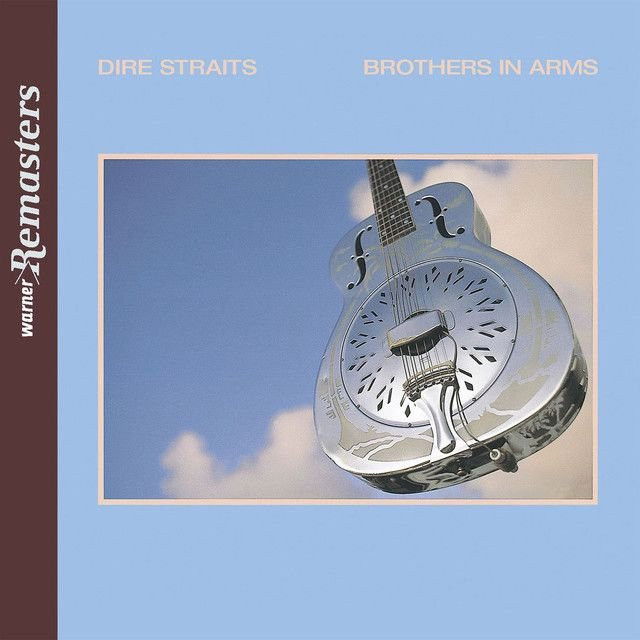
The meaning of Brothers in Arms Dire Straits comes from a simple but powerful idea: war can create deep bonds between soldiers, yet it also exposes how tragic and senseless violence is. Written by Mark Knopfler and released on Dire Straits' 1985 album Brothers in Arms, the song is often linked to the Falklands War era because Knopfler wrote it in 1982. Still, its language is broad enough that many listeners hear it as a timeless anti-war elegy rather than a song about one battle alone.
"Brothers in Arms" - Dire Straits
Are a home now for me
But my home is the lowlands
Loading lyrics...
Unable to load lyrics
We're unable to display the lyrics at this time. Please try again later.
A Dying Soldier, Not a Victorious One
A key fact shapes the whole reading. Knopfler said the song is sung by a soldier dying on the battlefield, a point noted by American Songwriter. That perspective explains why the voice sounds calm, tired, and deeply reflective instead of heroic.
The opening images place the speaker far from home. When they mention mist covered mountains
and remember the lowlands, the contrast matters. The battlefield has become their temporary world, but emotionally they still belong somewhere peaceful, rooted, and ordinary.
This is one reason the song feels so human. It does not focus on strategy, patriotism, or victory. It focuses on a person who has seen too much and now measures war against the lost simplicity of home.

Watch the official Brothers in Arms
music video
The Heart of the Song Is Brotherhood
The title sounds military, but the song gives it a wider meaning. On one level, “brothers in arms” means fellow soldiers who survive fear together. The line about not being deserted in battle shows loyalty under pressure, and that loyalty is one of the few warm things in the song.
But the title also carries an argument. Near the end, the narrator reaches the moral center of the song with we're fools to make war
. In other words, the same men who call each other brothers within one unit are often sent to fight people who are, in a larger human sense, their brothers too.
A Small Lyric With a Big Idea
The bridge delivers the song's clearest statement:
We have just one world
But we live in different ones
Those two short lines sum up the whole message. Humanity shares one planet, yet politics, borders, and ideology divide people into separate camps. Interpretation: the song suggests those divisions are man-made illusions with deadly consequences.
War Is Shown as Damage, Not Glory
Another reason the meaning of Brothers in Arms Dire Straits remains so strong is the song's refusal to glamorize combat. The battlefield is described through ruin, pain, and spiritual exhaustion. Phrases like fields of destruction
and baptisms of fire
frame war as overwhelming suffering, not adventure.
The speaker has been wounded, frightened, and changed by what they have seen. Yet even in that pain, the song's attention stays on mutual care. The emotional weight comes from shared endurance, not from defeating an enemy.
This is why critics and fans often call it an anti-war song. Sources such as Wikipedia and Songfacts note that it was written during the Falklands War period and has long been understood as a lament for war's waste. Because the lyrics avoid naming a nation or battlefield, the song can speak to many conflicts across generations.
How the Music Deepens the Meaning
The arrangement matters just as much as the words. Recorded at AIR Montserrat and produced by Mark Knopfler and Neil Dorfsman, the track closes the album with a slow, spacious sound that feels almost ceremonial. Its full studio version runs nearly seven minutes, giving the emotion time to unfold.
Knopfler's guitar is especially important. Reviews highlighted its dignified, mournful tone, and that description fits. The solo does not feel flashy; it feels like grief being allowed to speak after words run out.
Their vocal delivery is restrained too. That restraint keeps the song from turning sentimental. Instead of forcing emotion, it lets sorrow arrive gradually, which makes the final farewell more devastating.
Context, Video, and Lasting Reach
The song's history adds to its meaning. It appeared as the closing track on Brothers in Arms, one of the defining albums of 1985, and it was later released as a single in Europe. The music video, directed by Bill Mather, used black-and-white war imagery and later won the Grammy for Best Music Video, reinforcing the song's somber anti-war identity.
Its afterlife is also telling. Research sources note that it is often played at military funerals and has appeared in films and TV dramas. That continued use suggests listeners hear in it not only a comment on one war, but a language for mourning itself.
In 2007, Knopfler recorded a new version tied to fundraising for British veterans affected by the Falklands conflict. That real-world connection supports the song's compassion for those who carry war long after the fighting ends.
One Song, Two True Readings
There are two strong ways to read it, and both can coexist:
- Historical reading: it emerged from the climate of the Falklands War in 1982.
- Universal reading: it avoids specifics so it can stand for the suffering of soldiers in any war.
The second reading may be why the song still feels current. Its final mood is not anger alone. It is sadness, tenderness, and hard-earned wisdom.
The Lasting Message
At its core, the meaning of Brothers in Arms Dire Straits is that war may create loyalty between soldiers, but it also reveals a painful truth: human beings destroy people who are not so different from themselves. Dire Straits turn that idea into a quiet, unforgettable lament.
That is the power of the song. It sounds intimate, but its message reaches far beyond one battlefield.
Disclaimer: This interpretation blends documented context with informed reading of the lyrics and music. As with most great songs, listeners may find meanings that differ from the ones discussed here.








