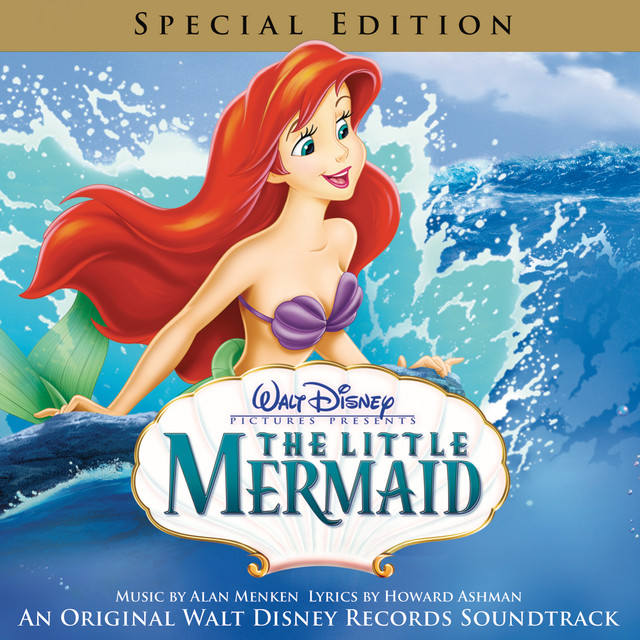
Why 'Part of Your World' Still Reaches Us
The meaning of Part of Your World Jodi Benson, Disney starts with a simple feeling: having plenty, yet still feeling unfinished. In The Little Mermaid (1989), Ariel stands in a room full of collected treasures and realizes that objects cannot replace experience, freedom, or belonging. That is why this song remains so powerful. It turns a fairy-tale wish into something very human.
"Part of Your World" - Jodi Benson, Disney
Maybe there is something the matter with me
I just don't see how a world that makes such wonderful things could be bad
Loading lyrics...
Unable to load lyrics
We're unable to display the lyrics at this time. Please try again later.
Performed by Jodi Benson and written by lyricist Howard Ashman and composer Alan Menken for Disney's film, the song is widely described as the movie's central “I Want” number, the moment that reveals what the heroine truly longs for. According to widely cited production history, it was one of the first songs written for the film and became a model for later Disney musicals.
More Than Curiosity Under the Sea
On the surface, Ariel sings about the human world. They admire everyday objects and imagine life on land. But the heart of the song is larger than fascination with forks and fire. Ariel is trying to name a deep emotional hunger.
Early lines present a character who seems privileged. They have a hidden trove, a royal life, and endless collectibles. Yet the song undercuts that comfort with the short phrase I want more
. That moment matters because it reframes the whole room of treasures. The collection is not fulfillment. It is a substitute.
Interpretation: this is a song about the gap between what someone owns and who they want to become. Ariel does not just want new scenery. They want a new way to live.

Watch the official Part of Your World
music video
The Real Conflict Is Belonging
The key emotional turn arrives when Ariel imagines ordinary human movement and freedom. Phrases like where the people are
and Part of that world
are not only about location. They are about community.
That distinction is important. Ariel is not saying they want to visit. They want to belong. The repeated wish to be “part” of something shows that the song is driven by outsider feelings. They live in one world while dreaming of another that seems to offer knowledge, independence, and possibility.
This is also why many critics and fans read the song as a coming-of-age statement. Ariel is young, bright, restless, and frustrated by limits. The song gives that feeling a clear shape.
Why It Is Not Just a Love Song
One common misunderstanding is that Ariel changes their life only for Prince Eric. The film itself argues against that. This song comes before that romance fully develops, and production notes often stress that Ashman designed it to express Ariel's desire for the human world first.
That context changes the meaning. When Ariel wonders about life on land, asks questions, and imagines learning how things work, they are chasing knowledge as much as affection. The playful line about what's a fire
captures that childlike curiosity.
Interpretation: romance later gives the dream a face, but it does not create the dream. The dream already exists.
A Quiet Feminist Edge
One reason the lyrics still connect is that they gently push against control. Ariel imagines a place where daughters are not constantly corrected and where “bright young women” can stand on their own. The song never becomes a speech, but it does carry a mild rebellious charge.
That makes the wish feel bigger than fantasy adventure. Ariel is not only escaping the sea; they are pushing back against a world that treats obedience as safety. In that sense, the song can be heard as a statement about growing up, especially for young women whose curiosity is treated like trouble.
How the Sound Lifts the Meaning
Musically, the song works because it starts intimate and expands. Menken wrote it in a Broadway-influenced style, and many descriptions of the original recording note a flowing, water-like piano figure and a gradual swell into a fuller ballad. That arc mirrors Ariel's emotional movement from private thought to open longing.
Jodi Benson's performance is just as important. Reports from the recording session say Howard Ashman guided them away from big belting and toward a more speech-like, natural delivery. That choice makes the opening feel like a secret being spoken out loud, not a polished stage turn.
By the time Ariel reaches Wish I could be
, the vocal and orchestral lift make the desire feel almost physically impossible to hold in. The sound turns private yearning into destiny.
The Disney History Behind the Song
The song also matters because of what it did for Disney storytelling. It is often credited as a defining modern Disney “I Want” song, the template for later animated musicals where the hero's desire is stated early and clearly.
It was nearly lost. During an early test screening, the unfinished sequence reportedly seemed to drag for some children, and the song came close to being cut. The filmmakers and creative team fought for it because they believed the story could not work without Ariel's inner life being made clear. They were right. Without this number, Ariel risks seeming impulsive. With it, they become understandable.
That near-miss adds to the song's legacy. What almost disappeared became one of Disney's signature emotional moments.
Why It Still Feels Personal
The lasting power of the meaning of Part of Your World Jodi Benson, Disney comes from how many people can see themselves in it. Some hear adolescence. Some hear feminism. Some hear the ache of being an outsider looking toward a place that might finally feel like home.
All of those readings grow from the same core: Ariel believes another life is possible, even before they know how to reach it. That belief gives the song its spark. It is not about rejecting one world for another in a simple way. It is about sensing that the self has outgrown its boundaries.
In the end, “Part of Your World” is a song of longing, but also of self-recognition. Ariel looks at everything they already have and understands that the missing piece is not an object. It is a future.
Disclaimer: This interpretation separates widely documented production facts from critical reading. Like all art, the song can support more than one meaning depending on the listener.









