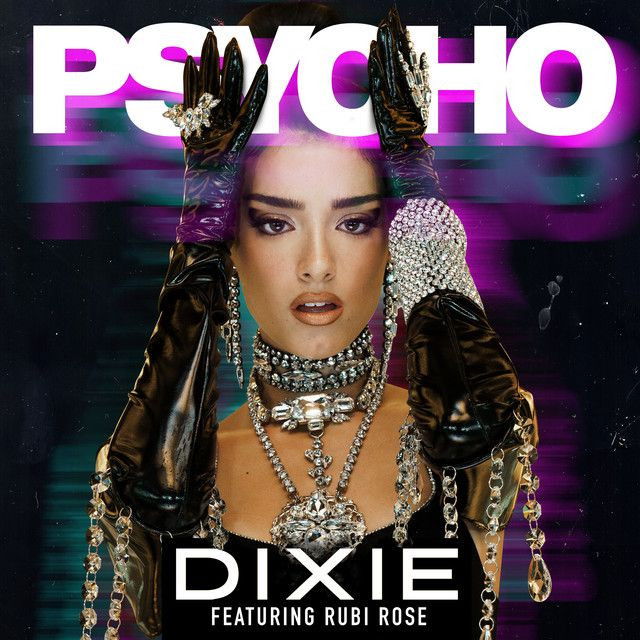
Why "Psycho" Turns Jealousy Into Pop Drama
The meaning of Psycho Dixie, Rubi Rose centers on a relationship poisoned by suspicion. The song does not present jealousy as cute or glamorous. Instead, it shows how dishonesty can make someone feel unstable, reactive, and unlike themselves.
"Psycho" - Dixie ft. Rubi Rose
Might go psycho if you let go
There's a side of me that you don't know (yeah)
Loading lyrics...
Unable to load lyrics
We're unable to display the lyrics at this time. Please try again later.
Dixie and Rubi Rose frame that feeling in big pop language. The title word is dramatic on purpose. It captures the way heartbreak and mixed signals can push a person from hurt into obsession.
The Song’s Real Target Is Betrayal
At its core, “Psycho” is about a partner who keeps acting shady and then denying it. The narrator feels lied to, especially when another woman is described as just a friend
. That small excuse becomes the trigger for a much bigger emotional spiral.
The song’s key idea is cause and effect. The narrator keeps saying they were not naturally this suspicious, but the other person’s behavior changed them. When they sing you turn me to a psycho
, they are confessing a loss of control while also placing blame on the partner who created that tension.
Interpretation: This is less a literal threat than a portrait of emotional escalation. The song argues that toxic behavior can bring out toxic responses.

Watch the official Psycho
music video
A Narrator Caught Between Hurt and Revenge
The verses show a person gathering proof, checking phones, and replaying details. In plain terms, they are trying to confirm what they already fear. The phrase old phone
points to that detective mindset, where mistrust turns every device, message, and missed call into possible evidence.
That is why the song feels restless. It moves from pain to anger very quickly. One moment the narrator sounds wounded; the next, they are imagining payback, such as ruining clothes or exposing lies with receipts.
Pulling up receipts
never really thought
I’d be the type though
Those lines capture the song’s central contradiction. The narrator knows this behavior is extreme, but they also feel pushed there. That self-awareness gives the song more depth than a simple revenge anthem.
Rubi Rose Changes the Temperature
Rubi Rose’s feature matters because it turns the song from anxious to fearless. Her verse adds sharper jokes, more direct accusations, and a tougher voice. Instead of sounding only wounded, the track starts to sound confrontational.
That contrast helps the full message land. Dixie’s delivery leans into betrayal and disbelief, while Rubi Rose brings swagger and bite. Together, they create two sides of the same reaction: one side is hurt, the other side is ready to strike back.
Interpretation: Rubi Rose’s verse can be heard as the narrator’s anger fully taking over. It makes the song feel like a progression from suspicion to retaliation.
How the Chorus Sells the Meaning
The chorus is catchy because it repeats one simple emotional claim: this relationship has changed the narrator for the worse. They keep insisting they are not normally this person. That repetition matters because it sounds like both a warning and a self-defense argument.
The line about lying to my face
keeps grounding the drama in betrayal rather than random jealousy. Without that detail, the title could sound cartoonish. With it, the song becomes a story about broken trust.
There is also a clever tension in the hook. It is big, memorable pop writing, but the content is ugly: snooping, doubt, revenge, and humiliation. That clash is what makes the record work.
Symbols of Modern Relationship Panic
“Psycho” uses very current images to tell its story. Phones, screenshots, late-night calls, and “receipts” all belong to the language of digital suspicion. They show how modern relationships leave trails, and how those trails can become emotional traps.
A few motifs stand out:
- Phones: symbols of secrecy and proof
- Receipts: symbols of truth in an argument
- Saturday night: a classic time marker for cheating anxiety
- Silence: emotional distance disguised as mystery
These details make the song relatable for a young pop audience in the United States. They turn jealousy into something concrete and recognizable.
The Production Keeps It Bright and Bitter
Musically, “Psycho” wraps messy emotions in glossy pop production. The beat is clean and punchy, which keeps the song radio-friendly even when the lyrics are spiraling. That contrast matters. The polished sound makes the narrator’s chaos easier to sing along to.
The vocal approach also supports the message. Dixie’s performance sounds controlled enough to stay melodic, but tense enough to suggest frustration underneath. Rubi Rose then cuts through with a firmer rhythm and more attack.
Interpretation: The production choice may reflect the song’s main idea: emotional disorder presented through a polished social mask. On the outside, everything sounds sleek. Underneath, trust is collapsing.
Is the Song Empowering or Toxic?
That is the most interesting question in the meaning of Psycho Dixie, Rubi Rose. On one hand, the song gives voice to a feeling many people know: the panic of sensing dishonesty and wanting proof. On the other hand, it does not really offer a healthy solution. The relationship it describes is already corrosive.
So the song works best as a snapshot, not a model. It captures the exact moment when hurt becomes obsession. That is why listeners connect to it. They do not need to agree with every reaction to understand the emotion.
Final Take on “Psycho”
“Psycho” is about what mistrust does to a person’s identity. It shows someone who starts from pain, moves into surveillance and revenge, and then tries to explain that transformation through the partner’s lies.
That mix of catchy pop, digital-age details, and two different female perspectives gives the track its edge. Interpretation: the song’s real message is not that jealousy is romantic, but that repeated betrayal can make anyone feel like a stranger to themselves.
Disclaimer: This interpretation is based on the song’s lyrics, performance, and production choices. As with most pop songs, meaning can vary from listener to listener.








