Why This Jazz Standard Still Feels Like Sunshine
The meaning of On The Sunny Side Of The Street Dizzy Gillespie, Sonny Stitt, Sonny Rollins starts with a simple idea: a person chooses hope over fear. That message sounds easy, but this version gives it extra force. Because the tune is played by three major jazz voices, optimism does not come off as shallow. It feels earned.
"On The Sunny Side Of The Street" - Dizzy Gillespie, Sonny Stitt, Sonny Rollins
And I had nothing but shadows
Then one morning you passed
Loading lyrics...
Unable to load lyrics
We're unable to display the lyrics at this time. Please try again later.
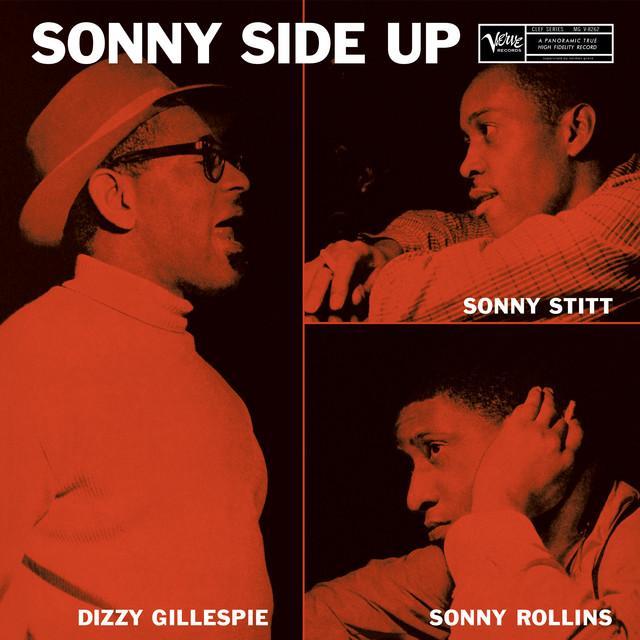
Though the song itself dates to 1930, with music by Jimmy McHugh and lyrics by Dorothy Fields, this famous instrumental reading appears on the 1959 Verve album Sonny Side Up. And that matters. A song about stepping out of darkness becomes, in their hands, a conversation between giants of modern jazz.
A Standard Built on Turning Toward Light
At its core, the lyric tells a before-and-after story. Before love, or before emotional change, the speaker is isolated and stuck. After that shift, the world looks brighter. The language is direct and memorable, which helps explain why the song became a long-running standard, first introduced in the 1930 Broadway musical Lew Leslie's International Revue.
The key image is a move from shadow to sunlight. Early lines describe loneliness and emotional emptiness. Later, the song invites the listener to leave worry behind and walk toward a better frame of mind.
That is why phrases like sun in my heart
and leave your worry
still land. They present joy not as luck, but as a decision. The title image of the street becomes a life path: one side is shaded by fear, the other is warmed by hope.
Watch the official On The Sunny Side Of The Street
music video
What the Lyrics Are Really Saying
The lyric is not just cheerful decoration. It follows a clear emotional sequence:
- The speaker begins cut off from others.
- A person or awakening changes their outlook.
- Everyday life becomes lighter.
- Even money matters less than inner peace.
That last point is one of the song's smartest turns. When the speaker suggests being rich even without much cash, the song is saying emotional wealth can beat material wealth. The famous comparison to Rockefeller is playful, but the point is serious.
I used to walk in the shade
but I'm not afraid
These short lines capture the whole arc. The speaker remembers sadness, then announces a crossing-over into confidence. The phrase crossed over
suggests more than a mood swing. It sounds like a threshold has been passed.
Why This 1959 Version Hits Differently
Dizzy Gillespie, Sonny Stitt, and Sonny Rollins recorded the tune for Sonny Side Up, a 1959 jam-session album now widely admired. AllMusic has called the set one of the most exciting jam-session records in jazz history. That praise helps explain why this version stands out among many recordings of the song.
There is an extra layer of wordplay here too. The album title echoes the song's sunny theme, making the performance feel almost destined. Gillespie's trumpet brings sparkle and lift. Stitt and Rollins, both on tenor sax, do not simply repeat the melody; they test it, stretch it, and answer it from different emotional angles.
Three Soloists, One Shared Mood
The performance keeps the tune's brightness, but each player shades it differently.
- Gillespie adds bounce, wit, and sharp rhythmic attack.
- Stitt often sounds sleek and driving, keeping the line moving.
- Rollins tends to sound more probing and conversational, as if thinking out loud.
That blend matters for meaning. A song about choosing the bright side can sound fake if it is too polished. Here, the improvisation keeps it human. They do not erase struggle; they swing through it.
How the Music Carries the Message
Because this recording is instrumental, the meaning has to travel through tone, tempo, and interaction. The melody already carries a smile, but the players deepen it through motion. The rhythm section gives the tune a walking ease, which fits the song's central image of directing their feet toward something better.
Even without a singer, listeners can sense the emotional plot. The horns rise and relax, tease the beat, and return to the tune with confidence. That creates a feeling close to the lyric's invitation to grab your coat
and move forward.
This is one reason jazz standards survive. Their meanings are sturdy enough to exist beyond words. In this case, the improvisation turns optimism into action. The song does not only describe cheerfulness; it performs it.
Interpretation: Love Song, Pep Talk, or Survival Guide?
There is more than one valid way to hear this piece.
Interpretation 1: It is a love song. The opening change in mood happens after another person appears. That makes the song sound like romance as rescue.
Interpretation 2: It is a self-help anthem before self-help language existed. The chorus tells listeners to choose a better outlook and stop feeding their fear.
Interpretation 3: It is a Depression-era act of defiance. Since the song was written in 1930, its promise that life can still be sweet may have carried special power in a hard economic period.
These readings do not cancel each other out. In fact, the song lasts because it works on all three levels at once.
Why It Still Connects Today
Modern listeners may know the title before they know the full lyric. That alone says a lot. "Sunny side" has entered American culture as shorthand for resilience. The song helped shape that idea.
The Gillespie-Stitt-Rollins version keeps the message alive by refusing to make optimism soft. Their playing is joyful, but it is also competitive, clever, and full of grit. That combination gives the tune backbone.
So the meaning of On The Sunny Side Of The Street Dizzy Gillespie, Sonny Stitt, Sonny Rollins is not blind happiness. It is chosen brightness. It is the sound of people facing the world's shadows and deciding, with style, to keep walking.
Final Thought Under Clear Skies
This standard endures because it turns a plain image into a lasting philosophy: life may not change at once, but their way of meeting it can. In this 1959 reading, jazz improvisation makes that philosophy feel alive, risky, and real.
Disclaimer: This interpretation is based on the song's lyrics, historical context, and the character of this recording. As with all art, listeners may hear different meanings in it.








