Why “Summertime” Still Feels Like Summer
The meaning of Summertime DJ Jazzy Jeff & The Fresh Prince starts with a simple idea: summer is not just weather. In this song, it is a social rhythm. They turn school break, block energy, and neighborhood memory into a full mood that feels calm, playful, and deeply familiar.
"Summertime" - DJ Jazzy Jeff & The Fresh Prince
Time to sit back and unwind
Here it is the groove slightly transformed
Loading lyrics...
Unable to load lyrics
We're unable to display the lyrics at this time. Please try again later.
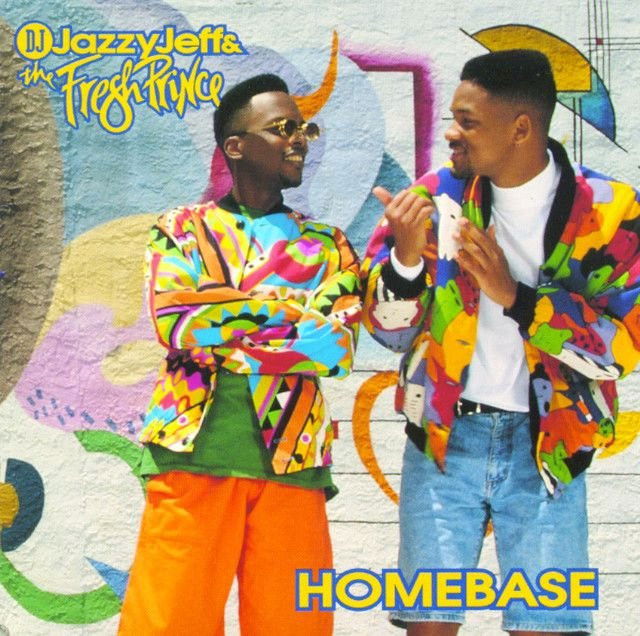
Released in 1991 as the lead single from Homebase, the track became one of the duo’s signature songs. It reached No. 4 on the Billboard Hot 100, hit No. 1 on the US Hot R&B chart, and won the 1992 Grammy for Best Rap Performance by a Duo or Group, according to available chart and award records (Wikipedia). Those facts matter because the song did more than soundtrack summer; it helped define what a rap summer anthem could be.
More Than a Season, It’s a State of Mind
At the center of the song is the repeated promise that it is time to sit back and unwind
. Before that hook lands, the verse sets up a break from pressure and noise. They contrast the song’s easy groove with harder club music, suggesting that summer calls for something softer, smoother, and more human.
That makes the track feel restorative. Instead of drama or conflict, they focus on release. Interpretation: the song presents summer as a temporary freedom zone, where everyday worries loosen their grip and people reconnect with pleasure, romance, and community.

Watch the official Summertime
music video
Philly Memories Give the Song Its Heart
One reason the track lasts is its sense of place. They fill it with details from Philadelphia life: parks, cars, courts, cookouts, and local routines. Even if a listener has never been there, the scenes feel recognizable because they are built from ordinary moments.
The song moves from the end of school into the public life of summer. People dress lighter, flirt more openly, and spend more time outside. A line like Back in Philly
grounds the song in real memory, not fantasy. It sounds less like bragging and more like someone guiding listeners through a favorite season in their hometown.
A Timeline of Small, Perfect Moments
Rather than telling one big story, the song stacks snapshots:
- School ends and the mood changes.
- Friends drive around and gather in public spaces.
- Basketball, shopping, and changing clothes fill the day.
- A barbecue sparks memory and family connection.
- Evening brings cruising, style, and social display.
That structure is important. Summer is shown as a chain of rituals. The meaning comes from repetition and shared experience, not a dramatic twist.
Nostalgia Is the Secret Engine
Midway through, the song becomes more reflective. They mention reminiscing with friends and how even the smell from a grill can bring the past rushing back. That is a key emotional turn. Fun is part of the song, but memory is what gives it weight.
A brief lyric passage captures that shift:
Sitting with your friends
cause y'all reminisce
the smell from a grill
could spark up nostalgia
Here, everyday summer details become emotional triggers. Interpretation: the song argues that summer matters because it stores personal history. A cookout is never just a cookout. It is a link between childhood, friendship, family, and the present moment.
Community, Style, and Gentle Romance
The track also celebrates public social life. Cars are polished. People come out looking their best. Kids play outside while older relatives dance. The song notices attraction too, but in a light, PG way that fits the overall warmth.
That balance matters. They show summer as flirtation, but not conquest; as style, but not harsh status competition. Even when they describe people being seen in their cars, the mood is relaxed. The social world feels open and communal.
This is one reason critics and listeners have long treated it as an enduring summer classic. Retrospective praise has often focused on how vividly it captures barbecues and neighborhood gathering, especially in Philadelphia (Wikipedia).
How the Beat Carries the Meaning
The production is crucial to the meaning of Summertime DJ Jazzy Jeff & The Fresh Prince. The song famously draws from Kool & the Gang’s “Summer Madness,” especially its glowing synth mood, a fact widely noted in song histories (Wikipedia). That musical choice matters because the sample already suggests dusk, heat shimmer, and reflection.
Produced by Hula, K. Fingers, and Roland Edison, the track avoids rush. The drums are steady, the synths feel airy, and the whole arrangement leaves room for Smith’s voice to stay conversational. Reportedly, he recorded it with a worn-out voice after travel delays, which helped create the lower, calmer delivery many listeners associate with the song (Wikipedia).
The result is perfect alignment between sound and subject. The music does not just describe relaxation. It performs it.
Why It Still Hits Decades Later
Part of the song’s staying power is that it refuses cynicism. It treats ordinary summer pleasures as worthy of art: a court, a ride, a reunion, a street full of people wanting to be seen. It also shows a more mature side of the duo, one grounded in observation rather than punchlines alone.
Interpretation: the song’s deeper message is that joy is built collectively. Summer here is not isolation; it is togetherness. That is why the track still returns every year. It sounds like freedom, but also like belonging.
The Lasting Takeaway
So, what is the meaning of Summertime DJ Jazzy Jeff & The Fresh Prince? It is a celebration of seasonal freedom, neighborhood memory, and the small rituals that make life feel rich. They transform a local Philly summer into a universal picture of warmth, nostalgia, and community.
That is why the song remains timeless: it does not just describe summer. It remembers what summer feels like.
Disclaimer: This interpretation mixes documented facts about the song’s release, production, and reception with critical reading of its lyrics and themes. Meaning can vary from listener to listener.







