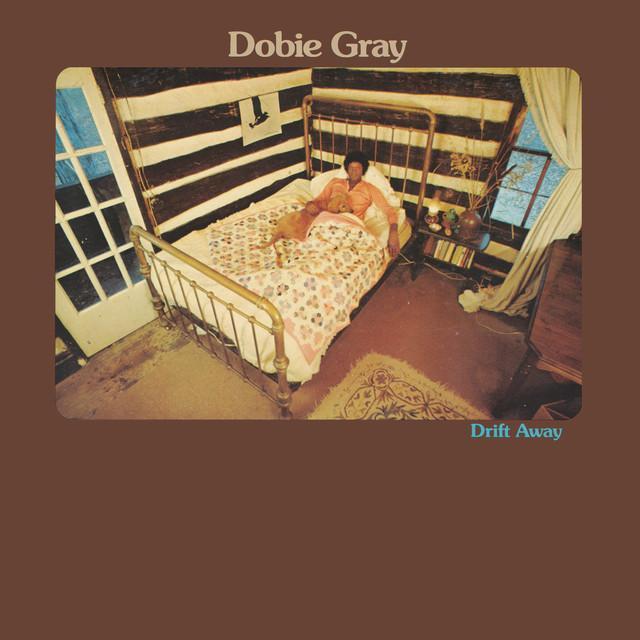
Drift Away by Dobie Gray
Why This Song Still Feels Like Relief
The meaning of Drift Away Dobie Gray comes down to a simple but powerful idea: music can rescue a person when life feels heavy. The song speaks from a place of stress, confusion, and emotional wear. Then it turns toward rhythm, melody, and community as a way to heal.
"Drift Away" - Dobie Gray
Yet I look for the light through the pouring rain
You know that's a game that I hate to lose
Loading lyrics...
Unable to load lyrics
We're unable to display the lyrics at this time. Please try again later.
That is why the song has lasted so long. Dobie Gray’s 1973 version became the breakthrough hit, reaching No. 5 on the Billboard Hot 100 and later earning Gold certification, according to Wikipedia. Those facts matter because they show how widely this feeling connected. Listeners did not just hear a catchy chorus. They heard a song about needing something good to hold onto.
Watch the official Drift Away
music video
The Core Message Beneath the Chorus
At the center of the song is a speaker who feels pushed around by life. Early lines describe confusion, strain, and a search for hope. Even before the famous refrain arrives, the song sets up an emotional problem: the outside world feels harsh, and the speaker does not fully understand their own choices.
Then the chorus answers that problem. When the singer asks, free my soul
, they are not asking to escape responsibility forever. They are asking for relief. They want music to lift them above worry for a while.
The phrase drift away
is key. It suggests floating, loosening tension, and stepping out of mental noise. In this song, drifting is not failure. It is recovery.
How the Verses Build the Feeling
From confusion to comfort
The verses move in a clear pattern. First, the singer admits they feel lost and worn down. Then they turn toward music as a trusted source of support. By the second verse, the world looks cold and unkind, so they count on song to help carry them through.
That shift gives the chorus its force. It does not sound random or shallow. It sounds earned. The need for rhythm arrives because ordinary life has become too hard to manage alone.
A brief lyric moment that says a lot
Later, the song explains why music matters so much:
a melody can move me
the guitar's comin' through
These short lines make the song’s message concrete. Music is not presented as background entertainment. It acts almost like a friend, reaching the singer at exactly the right time.
What the Song Says About Music Itself
One reason the meaning of Drift Away Dobie Gray feels so universal is that the song is also about belief in music. It thanks musicians and songs for giving joy, strength, and emotional direction. When the singer praises rhythm and rhyme and harmony
, they are really naming the pieces of art that help rebuild them.
This turns the track into a kind of tribute. It is not only a personal confession. It is also a thank-you note to music culture itself, especially rock and soul. The singer believes songs can steady a person when life becomes chaotic.
Interpretation: Some listeners hear this as almost spiritual. The chorus sounds like a prayer, but the answer comes through instruments and human connection rather than religion. That reading fits the language of freedom, release, and trust.
How Dobie Gray’s Performance Deepens the Meaning
Dobie Gray’s vocal is a big reason the song works. He sounds warm, worn, grateful, and open all at once. He does not overplay the sadness in the verses, and he does not oversell the joy in the chorus. That balance keeps the song believable.
The production helps too. Dobie Gray’s version blends soul with soft rock, using a smooth groove rather than a hard edge. The arrangement includes keyboards, drums, bass, acoustic and electric guitars, and even pedal steel, as listed in the song’s personnel on the song entry. Those textures matter because they create a gentle, floating feel that matches the idea of drifting.
Nothing sounds trapped or tense. The beat is steady. The guitars feel welcoming. The whole track moves like a slow exhale.
Artist Context and Why This Version Became Definitive
The song was written by Mentor Williams in 1970, but Dobie Gray’s 1973 recording is the version most people know. That matters in interpretation. A song can exist on paper, but the right voice can reveal its full emotional shape.
Gray had a gift for crossing styles, and that made him perfect for this material. “Drift Away” sits between soul, pop, and soft rock, which helped it reach a broad American audience. Its long life also proves how flexible the idea is. The song has been covered across genres, including country and pop, and even returned to the charts in 2003 through Uncle Kracker featuring Dobie Gray.
That history supports the song’s main theme. If music is a refuge, then a song that travels across decades and styles becomes living proof of its own message.
Alternate Readings Worth Considering
There is a straightforward reading here: someone is stressed, and music helps them cope. That is the clearest meaning.
Interpretation: There is also a deeper reading about identity. The singer may feel disconnected not only from the world, but from themselves. In that view, rock and roll is not just comfort. It helps them return to who they are.
Another reading is social. The line about wanting the “beat” from others suggests community. Healing does not happen in isolation. It comes through shared sound, shared culture, and the feeling that someone out there understands.
Why “Drift Away” Endures
“Drift Away” lasts because it says something many people feel but do not always say out loud: sometimes a song can do what advice cannot. It can calm the mind, hold emotion, and create space to breathe.
The meaning of Drift Away Dobie Gray is not complicated, but it is deep. It is about escape, but healthy escape. It is about dependence, but on beauty rather than numbness. Most of all, it is about how music can make a person feel less alone.
Disclaimer: This interpretation is based on the lyrics, recording context, and public song history. Like all art, the song can support more than one reasonable reading.








