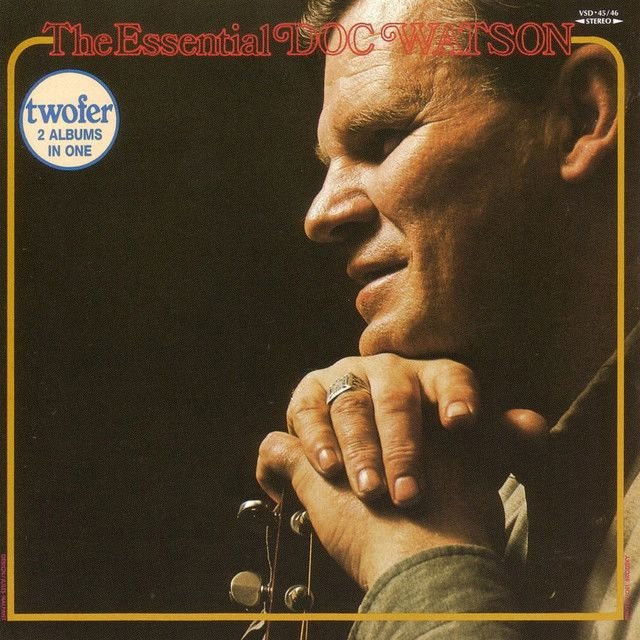
Way Downtown by Doc Watson Meaning Explained
The meaning of Way Downtown Doc Watson becomes clearer when they hear how the song balances mischief with wisdom. On one level, it is a lively old-time story about getting into trouble. On another, it is about how quickly fun can turn into regret, and how a person may end up wanting love, shelter, and peace more than excitement.
"Way Downtown" - Doc Watson
Took me to the jail
It's oh me and it's oh my
Loading lyrics...
Unable to load lyrics
We're unable to display the lyrics at this time. Please try again later.
Doc Watson, born Arthel Lane Watson, was one of American roots music's key interpreters, celebrated for flatpicking guitar and for keeping traditional songs alive through his recordings and live shows. That broad role in folk and bluegrass history is well documented by the Encyclopaedia Britannica and the Bluegrass Hall of Fame. In this case, the song's plain language and traditional feel are central to its meaning.
A Jailhouse Joke With a Serious Edge
The opening idea is simple: someone is out in town, wasting time, and winds up arrested. The short refrain foolin' around
sounds casual, almost harmless. But the next turn, with took me to the jail
, shows there is a cost.
That contrast gives the song its spark. It moves like a comic folk tale, yet the singer is not fully laughing. The line about having no one to go my bail
hints at isolation. The trouble is not only legal trouble. It is also social and emotional.
Interpretation: The song suggests that rowdy freedom is less appealing once the singer has to face the consequences alone.

Watch the official Way Downtown
music video
How the Verses Build a Bigger Life Story
Each verse adds a new angle, so the song is not just one joke stretched out. It becomes a sketch of a whole world.
First, there is the image of late-night noise and a man stumbling home in new shoes. That scene paints a community where drinking, dancing, and small-town disruption are normal. The mother's warning gives the moment humor, but it also shows that reckless behavior is old news.
Then the song pivots. Instead of more nightlife, the singer wishes to be at Sally's house, resting in a chair, holding a guitar, and holding someone dear. That verse changes the emotional color of the song. Public trouble gives way to private comfort.
From Downtown Chaos to Domestic Peace
This is one of the clearest emotional moves in the lyric. The town stands for disorder, temptation, and embarrassment. Sally's house stands for warmth, music, and belonging.
The guitar matters too. In folk songs, instruments often represent more than entertainment. Here, the guitar feels like a companion and a stabilizing force. Music is not part of the chaos; it is part of the refuge.
The Last Verse Turns Toward Folk Wisdom
The final verse lifts the song beyond a single night out. When the singer says one old shirt
and admits to craving just a dollar, the song enters a poorer, humbler register. The world of the lyric is not glamorous. It is bare-bones.
Then comes the oldest idea in the song: people arrive with nothing and leave with nothing. This is a common theme in folk, gospel, and country writing because it turns everyday hardship into a spiritual or philosophical lesson.
Interpretation: The song may be saying that jail, want, and longing are all parts of the same human truth. People chase pleasure, suffer setbacks, and finally realize that possessions cannot save them.
Why the Chorus Keeps Hitting So Hard
The refrain works because it is short, memorable, and emotionally flexible. At first, it sounds funny. By the end, it sounds weary.
That is the real strength of the chorus. Every time the singer returns to being downtown and ending up in jail, listeners hear the verses echo behind it. After the Sally verse, the chorus sounds like a bad choice. After the final verse, it sounds like one more example of life's burdens.
A Simple Hook, a Deeper Meaning
Old folk songs often hide their seriousness inside repetition. This song does the same. The repeated complaint is catchy enough to sing along with, but it also quietly underlines loneliness, poverty, and the limits of freedom.
How Doc Watson's Sound Supports the Message
Doc Watson's performances often relied on clear acoustic playing, steady rhythm, and unforced vocals rather than dramatic studio tricks, a style noted by the National Endowment for the Arts and his Grammy profile. That matters here.
The song's likely impact comes from its directness. In a contemporary country or old-time acoustic setting, the bounce of the rhythm keeps the story moving, while the vocal delivery keeps it human. The tune can feel light on the surface even as the lyric points to hard facts.
This mix of brightness and burden is a Doc Watson specialty. They did not need to oversing a line to make it meaningful. The restraint lets the listener notice the lyric's shift from comedy to reflection.
The Best Way to Read the Song
The meaning of Way Downtown Doc Watson is not just that a person got locked up for acting foolish. It is that everyday trouble can reveal what matters most. The song contrasts public embarrassment with private love, and short-term fun with long-term wisdom.
A listener can hear it as a funny traditional number, and that reading is valid. But they can also hear it as a small lesson in humility: trouble is easy to find, comfort is precious, and nobody carries much out of life in the end.
Disclaimer: This interpretation is based on the lyrics, performance style, and Doc Watson's musical context. As with many traditional-rooted songs, listeners may reasonably hear different meanings.








