Why ‘Here You Come Again’ Still Hurts
The meaning of Here You Come Again Dolly Parton comes down to one sharp, familiar feeling: they know this person is trouble, but they still cannot resist them. That is why the song still lands. It is not a grand breakup epic. It is a small, painful moment of weakness turned into a perfect pop-country hook.
"Here You Come Again" - Dolly Parton
Just when I've begun to get myself together
You waltz right in the door
Loading lyrics...
Unable to load lyrics
We're unable to display the lyrics at this time. Please try again later.
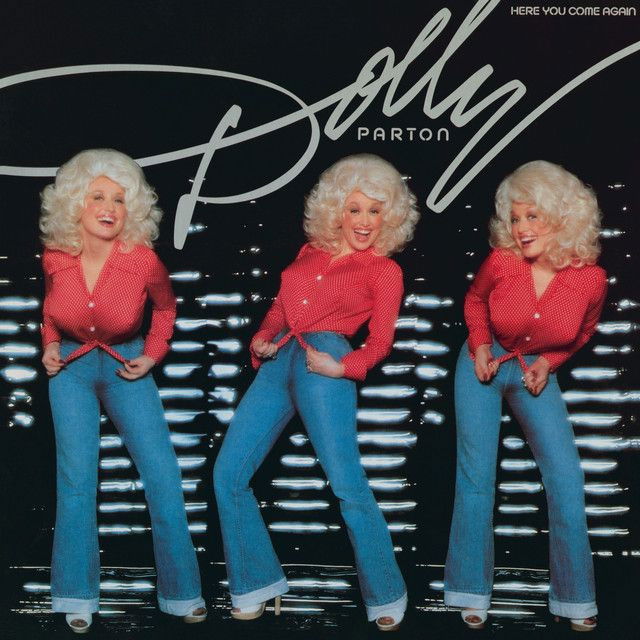
Released in 1977 as the title track of Parton’s album Here You Come Again, the song was written by Barry Mann and Cynthia Weil and produced by Gary Klein. It became a major crossover hit, reaching No. 1 on the country chart and No. 3 on the Billboard Hot 100, a key step in Parton’s move toward a wider pop audience. It was also one of her rare signature hits that she did not write herself.
A Love Song About Losing Control
At its core, the song is about relapse after heartbreak. The narrator has started rebuilding their life, only for the ex to reappear and undo that progress. The opening idea says it all: just when they are getting steady again, the other person walks back in.
That emotional pattern drives the whole lyric. The ex does not need a big apology or deep explanation. Their mere presence is enough. Short phrases like get myself together
and pretty lies
show the two sides of the story: recovery on one hand, manipulation on the other.
Interpretation: The song’s real sting is not that the narrator is fooled. It is that they know they are being fooled and still give in. That makes the song less about innocence and more about human weakness.
Watch the official Here You Come Again
music video
The Hook Turns Weakness Into Drama
The chorus is one of the smartest parts of the song because it reduces the whole emotional collapse to a few simple actions. The ex only has to smile, and the walls come down. The lyric all my defenses
makes the feeling sound almost physical, like self-protection is a structure that suddenly falls apart.
Then the song pushes deeper. The narrator is not just sad or nostalgic. They are overwhelmed in mind and body. The phrase fillin' up my senses
suggests total takeover. This is attraction that clouds judgment.
Here you come again
and here I go
That short refrain is the song’s emotional engine. One person arrives; the other person spirals. It is witty, catchy, and crushing at the same time.
How the Story Moves in Seconds
The song tells a full cycle in under three minutes:
- The narrator starts to recover.
- The ex returns unexpectedly.
- Charm replaces logic.
- Resistance collapses.
- The narrator falls back into the same pattern.
That last turn matters most. The title is not only about the ex showing up again. It is also about repetition itself. The relationship is a loop. Every return creates the same result.
Interpretation: That loop is why the final repetition feels so strong. The song ends not with resolution, but with surrender.
Dolly Parton’s Voice Makes It Human
Parton did not write the song, but they sing it like lived experience. That is part of why the record works so well. Her voice balances warmth, embarrassment, humor, and longing all at once. She sounds smart enough to see the pattern and vulnerable enough to fall into it anyway.
That balance keeps the song from becoming bitter. The ex is clearly manipulative, yet the performance never turns cold or angry. Instead, it sounds like someone half-laughing at their own bad decision while already making it.
This was important for Parton’s image too. According to reporting on the song’s history, she worried the track might sound too pop for her country audience, so steel guitar was added to keep its country identity clear. Producer Gary Klein later said she wanted listeners to hear that instrument so no one could claim it was not country enough.
The Sound of Temptation
Musically, the song explains its meaning almost as clearly as the lyrics do. It has a polished, soft-focus country-pop arrangement: gentle groove, smooth backing vocals, and a bright melodic flow. That sweetness mirrors the ex’s appeal. The track sounds inviting, almost too easy to sink into.
At the same time, the steel guitar adds a tug of ache beneath the shine. That matters. The song is not pure pop fantasy. It still carries country music’s emotional bruise.
Research on the song’s composition notes its light swing feel and key changes across sections. Those shifts subtly increase the sense of instability. The ground moves under the listener just as the narrator’s emotional balance does.
Why This Song Became a Crossover Classic
“Here You Come Again” worked because it joined two strengths. First, it had elite Brill Building songwriting from Mann and Weil, who gave the song a crisp hook and clear emotional setup. Second, Parton gave it personality, humor, and ache.
The result was a crossover record that did not flatten her identity. It expanded it. The single became her first million-selling hit and helped define the next phase of her career as an artist who could move between country and pop without losing herself.
What the Song Finally Says
The meaning of Here You Come Again Dolly Parton is not simply that an ex returns. It is that desire can outrun judgment, even when the warning signs are obvious. The narrator sees the cycle, names the lies, and still gets pulled back in.
That honesty is why the song lasts. It understands that heartbreak is not always dramatic. Sometimes it is just one familiar face, one practiced smile, and one more bad decision.
Disclaimer: This article offers a literary interpretation of the song based on its lyrics, performance, and release context. Like all song analysis, some meanings remain open to listener interpretation.









