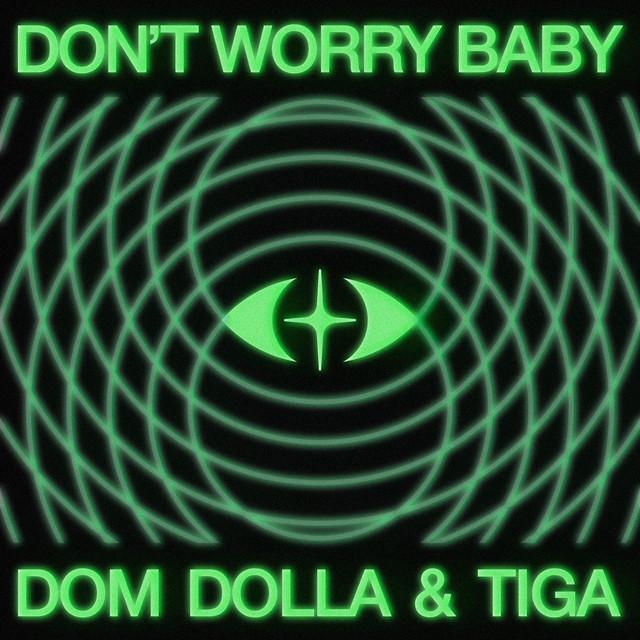
Why 'Don't Worry Baby' Feels Like Future Hope
The meaning of Don't Worry Baby Dom Dolla, Tiga centers on comfort in the middle of anxiety. On the surface, the song sounds simple: a repeated promise that things are not over. But under that bright hook sits a more nervous inner world, one filled with sleeplessness, shaking, and a wish to slow time down.
"Don't Worry Baby" - Dom Dolla, Tiga
Don't worry, baby, you've got a friend (okay)
Don't worry, baby, I'll hold your hand
Loading lyrics...
Unable to load lyrics
We're unable to display the lyrics at this time. Please try again later.
That contrast is what gives the track its pull. Dom Dolla and Tiga pair a reassuring chorus with tense, restless verses, creating a song that feels like a pep talk delivered during a panic spiral. Rather than denying fear, they place care beside it.
The Core Message Hiding Inside the Hook
At its heart, the song is about emotional support. The repeated line don't worry, baby
is not just romantic language. It works like a mantra, something said again and again because the person hearing it may not believe it the first time.
The next promises deepen that idea. Phrases like you've got a friend
and I'll hold your hand
present support as practical, not abstract. This speaker is not offering grand wisdom. They are offering presence.
Interpretation: The hook suggests that hope is sometimes small and physical. It can be a hand to hold, a voice that stays calm, or a reminder that crisis is temporary. When the chorus ends on this ain't the end
, the song turns reassurance into survival language.
Sleepless Verses, Racing Thoughts
The verses change the emotional temperature. Instead of comfort, they show a body and mind stuck in overdrive. The image of staying awake and staring into space suggests insomnia, dissociation, or a late-night anxiety loop.
One of the most telling moments comes in the short verse about time:
I wanna slow down
I miss my future
Rewind the past
These lines capture a contradiction many listeners will recognize. The speaker wants time to slow, but also wants to undo what already happened and recover what still has not arrived. That impossible wish makes the song feel modern. It speaks to burnout, uncertainty, and the strange sense of living too fast while feeling emotionally stuck.
Interpretation: The line about missing the future may mean they long for a version of life that once felt possible. It could also mean they are grieving hope itself.
Why the Future Imagery Matters
One of the more striking details is the futuristic imagery. The chorus mentions flying cars
and traveling from Earth to Mars
. These are playful images, but they do important work.
First, they widen the song’s scale. The problem in the verses feels intimate and physical, while the chorus suddenly looks outward to the stars. That move from the bedroom ceiling to outer space suggests that despair is not the only frame available.
Second, the futuristic references sound a little childlike, almost like someone trying to cheer another person up by painting an exciting tomorrow. In that sense, the song does not argue logically against fear. It counters fear with imagination.
Dom Dolla and Tiga’s Club Language
The pairing makes sense artistically. Dom Dolla has built a reputation for sleek, hook-heavy house music, including releases around his debut album campaign, while Tiga has long specialized in cool, witty electronic records through projects tied to Turbo Recordings. Together, they know how to make repetition feel purposeful.
That matters here because the repeated phrases are the song. In dance music, repetition can mimic obsession, prayer, or self-soothing. In this track, it does all three. Every return to the chorus feels like an attempt to steady a spiraling mind.
How the Production Carries the Meaning
The production likely explains why the song feels both uplifting and uneasy at once. The vocal phrases are short and memorable, almost chant-like, which makes them easy to latch onto in a loud club or during a solitary listen.
Underneath that, the beat gives the words momentum. House music often creates emotional release through steady pulse and gradual layering, and that structure fits this lyric perfectly. The rhythm keeps moving even when the speaker feels frozen.
Interpretation: That tension between motion and paralysis may be the whole point. The body can keep dancing while the mind is still trying to calm itself down.
A Chorus Built for Communal Relief
There is also a social dimension to the track. In a club setting, a line like this ain't the end
becomes bigger than one narrator. It turns into a shared statement, something a crowd can absorb together.
That communal quality changes the song’s meaning. What begins as one person comforting another can expand into a collective mood: people surviving stress together, if only for a few minutes on the dance floor.
Alternate Readings Worth Considering
There are at least two strong ways to read the song:
- A direct comfort song. One person reassures another through panic, grief, or uncertainty.
- A self-talk anthem. The speaker may be talking to themselves, repeating calming phrases to get through an anxious night.
Both readings fit the lyrics. The second may be especially powerful because the verses sound so internal and solitary. Even when the chorus sounds outward-facing, it could still be an inner voice trying to survive.
The Lasting Meaning of Don't Worry Baby Dom Dolla, Tiga
In the end, the meaning of Don't Worry Baby Dom Dolla, Tiga lies in its balance of fear and hope. It never pretends anxiety is gone. Instead, it offers a counterweight: friendship, touch, imagination, and the stubborn belief that pain is temporary.
That is why the song lands. It understands that reassurance is rarely elegant. Sometimes it is repetitive, a little desperate, and absolutely necessary.
Disclaimer: This interpretation is based on the released lyrics, performance, and available artist context. As with any song, listeners may hear a different meaning.







