What "Heartbeat" by Don Johnson Is Chasing
The meaning of Heartbeat Don Johnson comes down to one clear idea: they are searching for a love that feels real, equal, and alive. Instead of chasing status or comfort, the song’s speaker wants an emotional match. The title image of a heartbeat becomes a test for authenticity.
"Heartbeat" - Don Johnson
you can give it away
Your money don't mean much to me.
Loading lyrics...
Unable to load lyrics
We're unable to display the lyrics at this time. Please try again later.
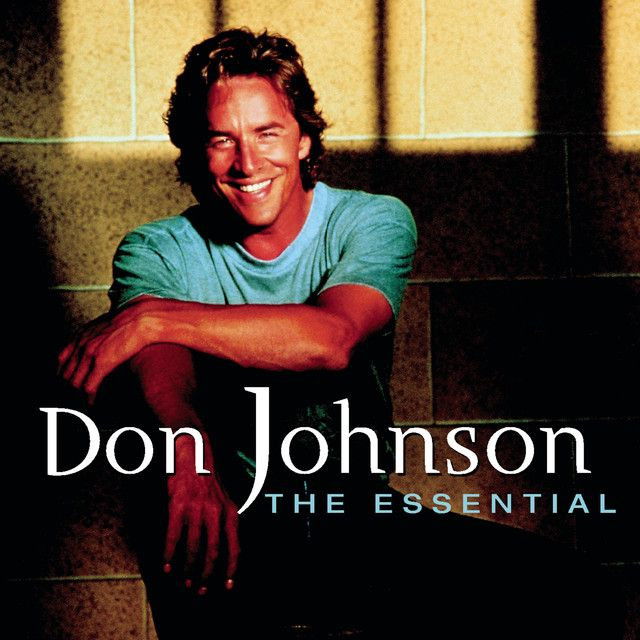
Released as the title track from Heartbeat in 1986, the song gave Don Johnson a genuine music hit, reaching No. 5 on the Billboard Hot 100 and helping the album reach No. 17 on the Billboard 200. It was written by Eric Kaz and Wendy Waldman, and the album was produced by Chas Sandford. Those facts matter because the song sits at the meeting point of strong professional songwriting and Johnson’s image as a TV star trying to make a credible record.
A Love Song That Pushes Back
On the surface, “Heartbeat” sounds like a straightforward romantic pop-rock song. But the verses are more defiant than soft. The speaker begins by brushing off material value, saying in effect that wealth cannot buy what they need. When they dismiss money don't mean much
, they are setting the song’s moral center: emotional truth matters more than appearance.
That attitude continues when the singer describes having been on their own and learning to stand apart from other people’s advice. They hear opinions from everyone around them, yet none of those tips solve the deeper problem. The song frames modern life as noisy and crowded, but still emotionally empty.
Interpretation: This is why the track feels a little tougher than its chorus first suggests. It is not only about wanting romance. It is about resisting fake answers.

Watch the official Heartbeat
music video
The Chorus Turns Desire Into a Standard
The hook is simple and memorable: looking for a heartbeat
. In plain terms, the singer wants a partner whose emotional life matches their own. The line beating like mine
gives that search a standard. They are not asking for just any relationship. They want recognition, mutual energy, and emotional equality.
That makes the chorus more than a catchy phrase. It says love has to be felt in the body, almost like instinct. If it is forced, strategic, or convenient, it does not count.
There is also a subtle shift from private feeling to public search. When the song points to a pulse in the larger world, it suggests that this match might be found out in life, not in fantasy. Love is imagined as something discovered in movement, risk, and human contact.
Verses of Hurt, Recovery, and Self-Respect
The second verse adds another layer. The singer notices that others think they understand them, but they do not. That gap matters. A major theme in the meaning of Heartbeat Don Johnson is misreading: people assume they know what the speaker needs, but they miss the emotional truth.
When the song hints that wrong treatment will not break them for long, it shows resilience. The heart here is not weak. It may be restless, but it heals. That is why the song does not sound desperate, even though it is full of longing.
A short passage captures the emotional challenge well:
Tell me what you feel now
without the heartbeat
Paraphrased, the song is asking a blunt question: if the pulse of real feeling is gone, what is left? Maybe routine. Maybe performance. Maybe nothing worth holding onto.
Why the Street and Fire Images Matter
Even though the lyric is not heavy on symbolism, a few images do important work. The singer says they have been near the fire but cannot feel its heat. That suggests being close to excitement, success, or desire without truly connecting to it. In other words, the world offers intensity, but not intimacy.
Later, the song finds rhythm in the world outside, in the social rush of life. The idea of a heartbeat in the street links private desire to public energy. The speaker is not hiding away; they are trying to find human truth in a restless, fast-moving environment.
Interpretation: These images fit the 1980s urban-pop mood perfectly. They make the song feel cinematic, which also suited Johnson’s screen persona.
How the Production Sells the Emotion
“Heartbeat” works because the sound reinforces the message. The record comes from a polished 1980s pop-rock world: big drums, bright keyboards, clean electric guitar, and a chorus built for repetition. Produced by Chas Sandford, the track has the sleek, glossy surface expected from that era, but it also carries enough grit to support the lyric’s toughness.
That balance matters. Johnson told the Los Angeles Times he wanted the album to sound “modern” and “tough rock,” while still feeling credible. That aim is easy to hear in “Heartbeat.” The arrangement is pop enough to be accessible, yet sturdy enough to avoid sounding flimsy.
The repetition of heartbeat
in the chorus also mirrors the body itself. The rhythm keeps pushing forward, which gives the song urgency. It is as if the track enacts the very pulse it keeps naming.
Don Johnson’s Context Changes the Reading
Because Johnson was already famous from Miami Vice, some listeners treated his music career with skepticism. Still, “Heartbeat” became his biggest hit and remains the song most associated with his recording career. That success matters when reading the song now.
The lyric is about wanting something real in a world of surfaces. Coming from a high-profile actor stepping into music, that theme lands differently. Whether intentionally or not, the song can sound like a defense of sincerity. It asks listeners to judge the feeling, not the image.
The Lasting Meaning of "Heartbeat"
In the end, the meaning of Heartbeat Don Johnson is not complicated, but it is effective. The song says that love should feel alive, shared, and undeniable. Money cannot replace it, public opinion cannot define it, and empty intensity cannot fake it.
That is why the hook lasts. A heartbeat is the simplest sign of life, and the song turns it into the simplest sign of real love.
Disclaimer: This interpretation is based on the released lyrics, recording context, and public information, and other listeners may hear the song differently.








