Why “Didn't You Know” Feels Like a Promise
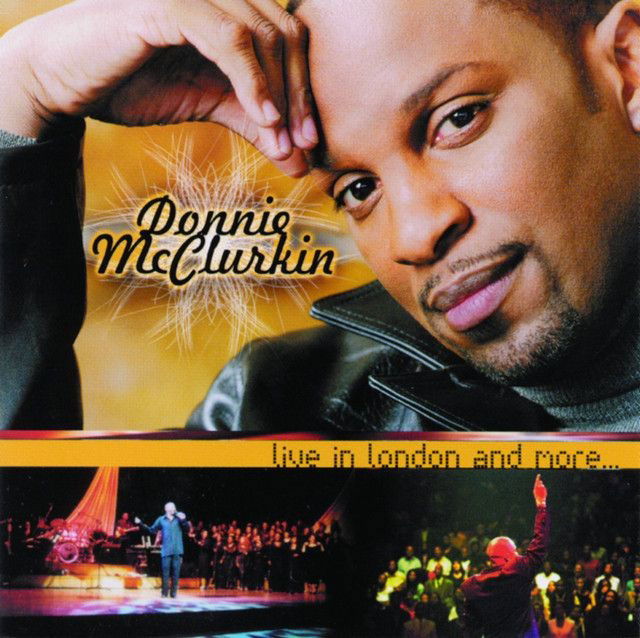
The meaning of Didn't You Know Donnie McClurkin centers on reassurance. The song speaks in a voice of constant care, asking why the listener ever doubted a presence that had already carried them through fear, pain, and grief. In simple words, it presents God as protector, comforter, and faithful guide.
"Didn't You Know" - Donnie McClurkin
Didn't I share your pain?
Didn't I wipe away the tears?
Loading lyrics...
Unable to load lyrics
We're unable to display the lyrics at this time. Please try again later.
Donnie McClurkin is one of modern gospel’s best-known voices, with a career shaped by testimony, worship, and songs about endurance. According to his official biography, his music often turns personal struggle into public encouragement. That background matters here, because this song sounds less like a performance and more like a direct spiritual reminder.
A Loving Voice Speaks Through Questions
The song’s key device is repetition through questions. Lines about knowing fear, sharing pain, and drying tears all work the same way: they do not ask for information. They gently correct the listener’s memory. The speaker is saying, in effect, that help was already present.
That is why phrases like know your fears
and share your pain
hit so hard. They make the comfort feel intimate rather than distant. This is not a cold, all-powerful figure speaking from above. It is a voice that claims to have stayed close to suffering.
Interpretation: Many listeners will hear this as God addressing a believer who has gone through hardship. The song does not build a complicated story. Instead, it repeats the same truth until it feels settled: they were never alone.
Watch the official Didn't You Know
music video
Rain, Tears, and Shelter Form the Core Image
The song uses a small set of images, but each one is easy to understand. Tears point to sorrow. Rain suggests trouble pressing in from the outside. Shelter stands for safety when life turns harsh.
When the lyric mentions being shelter from your rain
, it turns weather into spiritual language. Hard times are not described in detail, yet the image is enough. Almost anyone can relate to wanting cover during a storm.
That simplicity is part of the song’s power. Gospel music often aims for emotional clarity, and McClurkin does exactly that here. The message is broad enough for many kinds of pain, whether grief, fear, loneliness, or doubt.
The Hook Turns Comfort Into Covenant
At the center of the song is the promise with you all the way
. This is the line that gives the whole piece its spiritual force. It moves the song from memory into commitment.
Before that promise, the questions look backward at what has already been done. After it, the song reaches forward. The listener is not just reminded of past care; they are assured of future presence too.
Didn't you know that
I'd be with you, my child
That brief moment matters because my child
changes the emotional frame. The relationship becomes parental, tender, and protective. Instead of abstract theology, the song offers family language. It tells the listener they belong.
Why Repetition Matters So Much Here
Some songs use repetition because they are catchy. This one uses repetition because its message is meant to heal. By circling the same ideas again and again, the song mirrors the way reassurance works in real life. People in pain often need to hear comfort more than once.
That is especially true in worship music, where repeated lines invite meditation. McClurkin’s delivery likely matters as much as the words. In gospel, the voice can sound like preaching, praying, and singing at the same time. Here, the repeated phrases feel like a steady hand on the shoulder.
Interpretation: The repeated questions may also reflect human doubt. The song recognizes that believers can forget what they say they trust. So the speaker answers fear not with argument, but with patient reminders.
How the Gospel Sound Supports the Meaning
Even from the lyric alone, the song suggests classic gospel structure: a clear refrain, emotional build, and room for vocal emphasis near the end. That style fits McClurkin well. His catalog, including songs recognized by the Grammy Awards, often blends testimony with worshipful uplift.
The likely effect of the arrangement is to underline stability. Gospel ballads commonly use warm keyboards, sustained chords, choir support, and gradual dynamic rise. Those choices make a promise feel larger each time it returns. Instead of rushing, the music usually leaves space for the singer to dwell on every word.
That matters because this lyric is not about dramatic plot twists. It is about certainty. A patient tempo and swelling vocal lines would help the listener feel held rather than pushed.
A Message of Presence, Not Escape
One important part of the meaning of Didn't You Know Donnie McClurkin is that the song does not promise a life without pain. Fear, tears, and rain still exist. The comfort comes from companionship through suffering, not removal from it.
That makes the song emotionally honest. It does not deny hardship. Instead, it says hardship is survivable because divine presence remains near. The later ideas about being held in helping arms deepen that message. Care is active, not passive.
The Lasting Takeaway
In the end, the song works because it makes faith sound personal. Its questions are really reminders, its images are simple but strong, and its repeated promise is one of staying power. For many listeners, that is the heart of its appeal.
The most persuasive reading is that McClurkin presents God as a loving protector speaking to someone who has forgotten they were never abandoned. That interpretation fits the lyrics, the gospel tradition, and McClurkin’s wider ministry-centered body of work.
Disclaimer: This interpretation is based on the available lyrics, gospel context, and Donnie McClurkin’s public artistic themes. Different listeners may hear the song in different but equally meaningful ways.







