Seeing Other People by Donovan Woods
When Acceptance Turns Into Shock
The meaning of Seeing Other People Donovan Woods starts with a contradiction: someone says they are fine with a loose romantic arrangement, then discovers they are not fine at all. That tension gives the song its sting.
"Seeing Other People" - Donovan Woods
It was always just some phase we were going through
I was ok with you seeing other people
Loading lyrics...
Unable to load lyrics
We're unable to display the lyrics at this time. Please try again later.
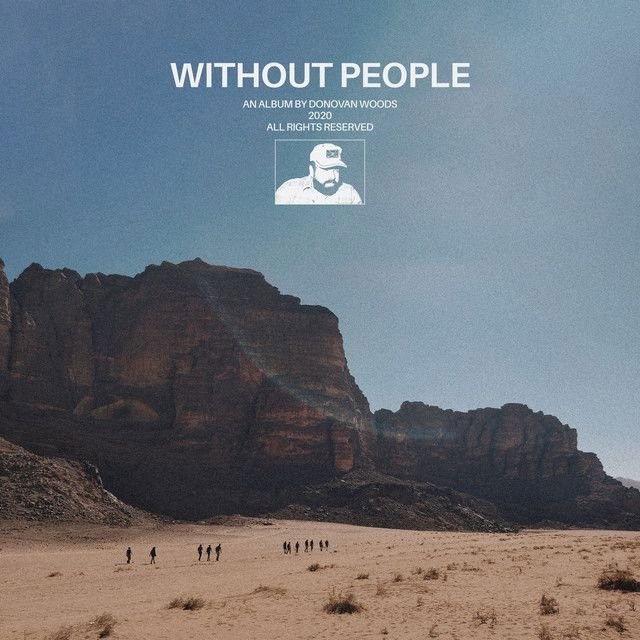
Donovan Woods, a Canadian singer-songwriter known for intimate, sharply observed writing, co-wrote the track with Dustin Christensen. The song appears on Without People, a 14-track album released on November 6 through Woods’ Meant Well label, a record he described as focused on the more complicated, grown-up sides of love rather than youthful firsts, according to American Songwriter (source).
That context matters. This is not a breakup song built on big drama. It is a song about the moment denial fails.

Watch the official Seeing Other People
music video
The Real Emotional Pivot
At first, the narrator insists they were ok with you seeing other people
. On the surface, that sounds mature, calm, maybe even generous. But the song quickly reveals that this attitude was more of a coping line than a stable truth.
The emotional turn comes with the brilliant twist other people seeing you
. In plain language, it is one thing to agree to an idea in private. It is another to watch someone they love become visible, attractive, and available in a public space. The pain is not abstract anymore.
Interpretation: The song is less about an open relationship itself than about the gap between what people say they can handle and what their emotions will actually allow.
A Story of Waiting, Watching, and Rationalizing
The verses build that meaning in small, believable steps. The narrator is at home, waiting. They suspect something is off, but they calm themselves with the thought that it is probably nothing. That detail makes them sound less secure than the chorus claims.
Then the scene shifts outward. They notice all the arms
and all the eyes
around the other person. The wording suggests a social setting where attention gathers naturally around someone magnetic. Instead of anger at one clear betrayal, the song presents a softer but sharper wound: the narrator suddenly sees how many people want what they still hoped to keep emotionally close.
The timeline in brief
- They agree, or claim to agree, to seeing other people.
- They privately feel uneasy and begin waiting and worrying.
- They finally witness the other person in public attention.
- Their old story about being “fine” breaks apart.
- They end alone with the consequences of their own choices.
Why the Chorus Feels So Devastating
The chorus repeats almost like self-persuasion. Each return to just some phase
sounds less convincing. Repetition here is not confidence; it is collapse.
Woods is especially good at writing lines that expose self-protective language. The narrator keeps framing the situation as temporary and manageable. But every repeated phrase narrows toward the real truth: they can survive the theory of detachment, not the sight of it.
Interpretation: That is what makes the song mournful rather than bitter. The narrator is not only hurt by another person. They are hurt by discovering their own limits.
The Everyday Images That Carry the Hurt
One of the song’s strengths is its plain imagery. There are no flashy symbols. Instead, it leans on home, tables, streets, and beds.
Those details matter because they suggest consequence. The closing lines present a compact summary of regret:
I walk the streets I paved
I sleep in the bed I made
This is the article’s only multi-line quote, and it sums up the song’s moral center. The loneliness is not random. The narrator helped build the conditions that now wound them. That gives the song a layer of accountability that keeps it from becoming simple blame.
How Donovan Woods’ Style Deepens the Meaning
Woods told American Songwriter that he finds the nuanced experience of love
more interesting than songs about first-time romance, and that idea fits this track perfectly (source). Without People looks at love from “the second or third time around,” which helps explain why this song feels emotionally adult even when the feelings are raw.
The production context helps too. The same feature notes that James Bunton and vocal producer Todd Clark shaped the album’s pop-leaning sound while Woods continued to blend folk, country, and pop textures (source). Even without overproduced drama, that kind of arrangement usually supports a song like this through restraint: steady rhythm, clear vocal focus, and enough melodic lift to make the confession land.
In other words, the sound likely mirrors the writing—controlled on the surface, bruised underneath.
Alternate Readings Worth Considering
There is a clear reading here, but not only one.
Interpretation 1: The narrator truly agreed to a casual arrangement and only later discovered jealousy. In this reading, the song is about emotional miscalculation.
Interpretation 2: The narrator never really accepted it at all. They only said they were fine because they were afraid of losing the relationship. In that reading, the song is about self-erasure and delayed honesty.
Both readings work because the lyrics leave room for uncertainty, and that uncertainty is part of what makes the song feel real.
Why This Song Lingers
The meaning of Seeing Other People Donovan Woods is ultimately about the difference between permission and peace. Someone can allow a situation without emotionally surviving it.
That is why the song lingers. It does not just describe heartbreak. It captures the humiliating, human moment when a person realizes they were pretending to be less attached than they really were.
Disclaimer: This interpretation is based on the lyrics, available artist commentary, and broader album context. As with any song, listeners may hear different meanings in it.








