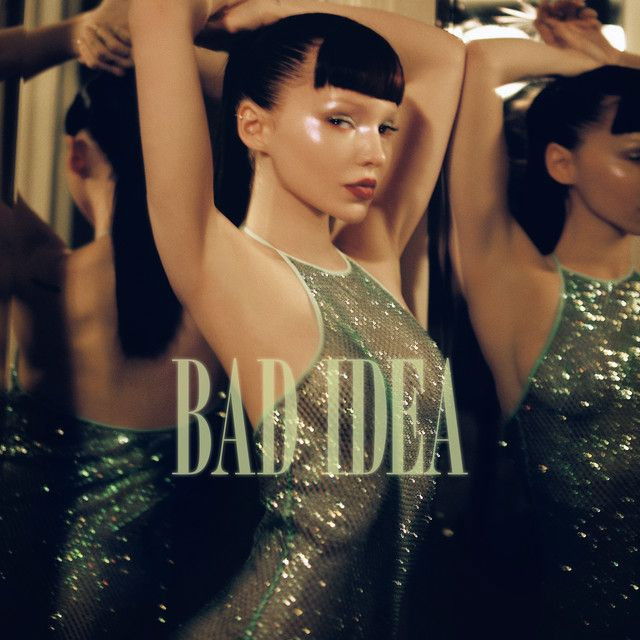
Bad Idea by Dove Cameron
A late-night text. A name lighting the phone. A plan that feels wrong and right at the same time. The meaning of Bad Idea Dove Cameron comes down to desire winning a tug-of-war with caution—and doing it with eyes wide open.
"Bad Idea" - Dove Cameron
See your name light up my phone
You're having revelations
Loading lyrics...
Unable to load lyrics
We're unable to display the lyrics at this time. Please try again later.
The Temptation You See Coming
The narrator knows the risk from the first ping—see your name light up my phone
. They understand this reunion could go sideways, but the thrill is real. In interviews, Cameron has said the song was sparked by an intense late-night text and that she wrote from a fictional point of view rather than acting on it. That framing matters: the song studies the moment before a choice, when danger feels like a magnet.
Interpretation: The track isn’t about fate; it’s about agency. The protagonist sees the cliff and still steps closer.
Watch the official Bad Idea
music video
Who’s Talking—and Why We Believe Them
The voice is first-person, confessional, and a bit cheeky. They admit they often go against my instincts
and joke that this person is their “favorite sin.” The honesty pulls the listener in because it never hides the contradiction. They’re both self-aware and self-sabotaging, which makes the hook land harder.
Cameron has also described writing some songs as “characters.” Here, the character is laissez-faire: they know better, but they choose the high-voltage option anyway. That dramatic lens lets the song be bold without claiming to be a diary entry.
A Play-by-Play of the Night
- The ex resurfaces at just the right moment—
in the nick of time
—when the narrator still has emotional fuel to burn. - They choose a private setting to talk. Therapy talk and apologies enter, and the narrator admits it’s “almost convincing,” even if it feels rehearsed.
- The decision happens fast. They’ll sort out the meaning “in the morning,” which says the night belongs to impulse.
- By the bridge, they concede the past didn’t destroy them—
we didn’t die
—but they also warn there areno guarantees this time
.
Interpretation: The timeline shows how quickly logic gets outrun by chemistry, especially with shared history.
The Hook as a Dare
The chorus reframes everything as a choice repeated on purpose. It doesn’t pretend it’s wise—it celebrates the risk.
Baby, you’re a bad idea
Fuck it, let’s do it again
Interpretation: Those lines turn shame into swagger. The song grants the narrator power by letting them own the decision, not stumble into it.
Symbols and Recurring Images
- Phone notifications: They trigger memory and craving, setting the whole story in motion.
- Therapy talk: It nods to modern dating self-awareness, but also to performance—apologies can be a script.
- Secrecy and private spaces: Choosing “somewhere that’s private” suggests a thrill in hiding and a pattern they already know.
- Morning-after logic: Promising to “talk about it in the morning” separates pleasure from consequence.
Together these motifs sketch a cycle: contact, confession, surrender, rationalization.
How the Sound Sells the Risk
Bad Idea runs on tight, glossy pop mechanics: a low, slinky bassline; crisp percussion; and strategic empty space so the vowels pop. Cameron’s vocal toggles between a breathy murmur in the verses and a rougher edge in the hook. That shift mirrors the story moving from flirtation to commitment to the wrong choice.
Production, led by Evan Blair, keeps the track short and punchy. There’s little ornament—no long bridge, no indulgent outro—which makes the decision feel impulsive and inevitable. The monochrome palette—dark synths with flashes of treble—sounds like neon in a midnight alley: dangerous, inviting, and familiar.
Context: What Cameron Has Said
Cameron co-wrote the song with Evan Blair and Madi Yanofsky and released it on October 28, 2022, via Disruptor/Columbia. She has explained that a late-night message inspired the concept, but she didn’t act on it; she wrote from the lens of someone who would. That context supports the track’s tone: calculated recklessness rather than pure confession.
Alternate Readings Worth Considering
- Interpretation: It’s about relapse—romantic, not chemical. Phrases like
in the nick of time
and the bridge’s survival talk frame love as a habit they can’t quite kick. - Interpretation: It’s a commentary on performance in relationships. The “therapy” monologue reads as stagecraft, while the narrator knowingly buys the ticket to the show.
Both readings agree on the core: the narrator claims the risk as their own.
Takeaway: Desire, Owned
The meaning of Bad Idea Dove Cameron is simple and sharp: sometimes people choose the wrong thing because it feels like them. The song refuses moralizing. It tracks a choice, bottles the heat, and leaves the judgment for the morning.
Disclaimer: Song meanings are interpretive and subjective; this analysis blends reported context with critical inference.








