Why Dr. Hook's Hit Still Feels So Uneasy
The meaning of When You're In Love With A Beautiful Woman Dr. Hook comes down to a simple but sharp idea: love can make someone feel exposed. This song is not really about beauty as a compliment. It is about what beauty does to the speaker's nerves.
"When You're In Love With A Beautiful Woman" - Dr. Hook
When you're in love with a beautiful woman, you know it's hard
Everybody wants her, everybody loves her
Loading lyrics...
Unable to load lyrics
We're unable to display the lyrics at this time. Please try again later.
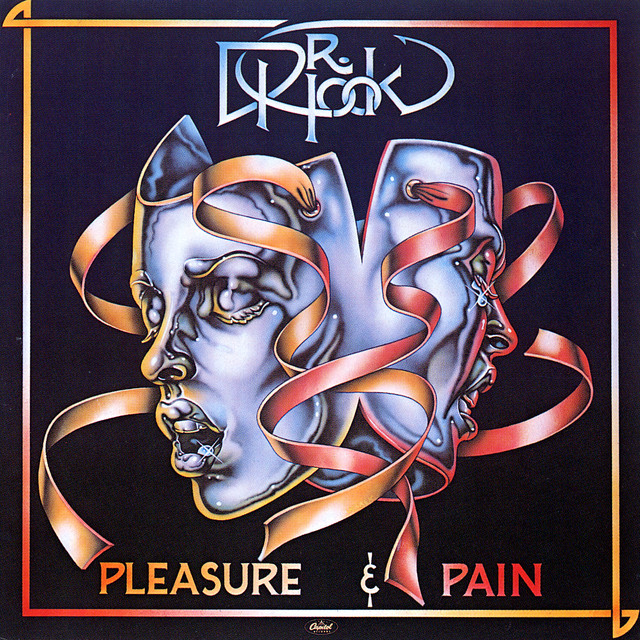
Dr. Hook turned that feeling into a radio hit with a smooth, catchy performance. First released on Pleasure and Pain in 1978 and then as a single in 1979, the track became a major success, reaching No. 6 in the US and No. 1 in the UK according to Songfacts and Wikipedia. Its popularity makes sense: it takes a private fear and makes it instantly singable.
The Real Tension Hiding Inside the Hook
On the surface, the chorus sounds playful. The title phrase repeats like a knowing joke, as if everyone already understands the problem. But the song's real center is anxiety, not celebration.
The narrator says love is hard
because attention follows his partner everywhere. When he notices that everybody wants her
, he does not respond with pride. He responds with worry. The song frames beauty as a social pressure that changes how he sees friends, strangers, and even ordinary moments.
Interpretation: the song works because it mixes admiration with fear. He clearly values the woman, but he cannot enjoy the relationship without imagining threats around it.

Watch the official When You're In Love With A Beautiful Woman
music video
A Narrator Shaped by Old Hurt
The clearest clue comes in the verse about the past. He admits this may be an ego problem
, then quickly explains that he has been hurt before. That detail matters because it shifts the song away from pure possessiveness.
Instead of saying she has done something wrong, he suggests that earlier betrayals still control his reactions. In other words, the song is partly about memory. Past disappointments teach him to expect more of the same.
Suspicion Becomes a Habit
That history explains why he starts reading every small sign as danger. A phone call ending suddenly, wandering eyes, flattering comments from others: none of these prove betrayal, but all of them feed his fear.
When the lyric says you watch your friends
, the distrust spreads beyond romance. Even friendship feels unstable. The song suggests that jealousy rarely stays contained; once it starts, it colors everything.
How the Verses Build a Story of Isolation
Even though the song is built for radio, it still moves in a clear emotional sequence:
- He introduces the problem: loving a very admired woman feels stressful.
- He widens the threat: not just strangers, but friends may be part of it.
- He reveals the cause: earlier heartbreak has made trust difficult.
- He ends in loneliness, feeling like
you go it alone
.
That last phrase is especially important. The relationship may still exist, but emotionally he feels separated from it. His own suspicion cuts him off from comfort.
When you're in love with a beautiful woman, you watch your friends
When you're in love with a beautiful woman, it never ends
These two lines capture the song's emotional trap. The pressure is not a single event. It becomes a loop.
Sound That Softens the Sting
Part of why the song lasts is that the arrangement does not sound harsh. Research sources identify it as a soft rock/disco crossover, recorded at Muscle Shoals Sound Studio and produced by Ron Haffkine. That matters because the groove is relaxed, even friendly.
The beat glides forward, the melody is easy to remember, and the vocal delivery keeps the tone conversational. According to Songfacts, Dennis Locorriere sang lead on the hit version after Ray Sawyer decided Dennis's guide vocal fit the song better.
That choice helps the meaning land. Locorriere sounds less angry than uneasy. Instead of dramatic heartbreak, they hear a man trying to laugh at feelings he cannot fully control. The music makes jealousy sound accessible, which is a big reason mainstream listeners embraced it.
Beauty as Symbol, Not Just Description
In this song, beauty is more than physical attractiveness. It stands for visibility. A beautiful woman becomes someone others notice, praise, and pursue. That constant attention creates pressure on the relationship.
Interpretation: the song is really asking what happens when love becomes public. Once outsiders start admiring what someone has, trust gets tested. The fear is not only losing the woman. It is losing certainty.
There is also a gendered late-1970s angle here. The lyric reflects a male narrator measuring his confidence against the world's reaction to his partner. Modern listeners may find that insecure or dated, but that discomfort is part of what makes the song interesting. It documents a familiar emotional reflex: comparing private love with public competition.
Why the Song Connected So Widely
Written by Even Stevens, the song paired a common fear with a simple title and a memorable refrain. It was commercially huge, earning strong chart positions and later certifications in markets including the US and UK, as summarized by Wikipedia.
Its success likely comes from its balance. It is jealous, but not vicious. It is insecure, but self-aware enough to admit that the problem may live inside the narrator. That honesty keeps the song from feeling one-note.
The Lasting Meaning of the Song
The meaning of When You're In Love With A Beautiful Woman Dr. Hook is not that beauty ruins love. It is that insecurity can. The song shows how admiration, fear, memory, and pride can all collide inside one relationship.
That is why the chorus remains catchy and uncomfortable at the same time. Listeners hear a pop song, but underneath it sits a portrait of someone who wants to trust and cannot fully do it.
Disclaimer: This interpretation is based on the released lyrics, performance, and documented song history. Like most songs, it can support more than one reasonable reading.







