Why "April Sun in Cuba" Still Feels Like Escape
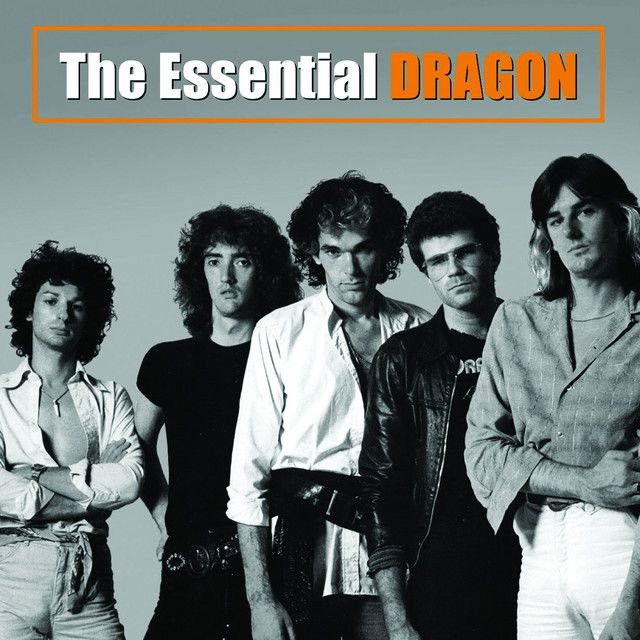
Dragon’s “April Sun in Cuba” sounds bright, warm, and easy to sing along with. But the meaning of April Sun In Cuba Dragon goes a little deeper than a simple travel fantasy. Written by Marc Hunter and Paul Hewson, the song turns everyday frustration into a dream of somewhere sunnier, freer, and more alive.
"April Sun In Cuba" - Dragon
Summer's on the run
People tell me I should stay
Loading lyrics...
Unable to load lyrics
We're unable to display the lyrics at this time. Please try again later.
The track was released by the Australasian rock band Dragon, whose career stretched across New Zealand and Australia, and it is still one of their best-known songs. Factually, the writers named in the user-provided context are Marc Hunter and Paul Hewson. From there, the lyrics point toward a clear emotional center: a person worn down by routine who imagines escape as the only cure.
Not Just a Vacation Song
At the start, the narrator is plainly fed up. They say they are tired of the city life
, and that opening sets the whole mood. This is not mild boredom. It feels like emotional exhaustion, the kind that makes a different place seem like a different life.
The next images build that restlessness. Summer is slipping away, other people are telling them to stay put, and yet they feel pulled toward pleasure and movement. When the lyric mentions snake eyes on the paradise
, it suggests a risky gamble. Paradise may not be safe or sensible, but they want it anyway.
Interpretation: the song is less about Cuba as a real destination and more about Cuba as a symbol. It stands for warmth, release, danger, glamour, and a break from grey routine.

Watch the official April Sun In Cuba
music video
The Chorus Turns Desire Into Myth
The chorus is simple, but that simplicity is why it works. The repeated plea to be taken to the April sun
turns escape into something almost magical. Rather than describing a detailed plan, the song stays in the language of longing.
That matters because the hook is not practical. They are not comparing flights or making a schedule. They are dreaming about a place that will treat me so right
. In plain terms, they want relief, pleasure, and renewal.
Why “April” matters
April suggests a season of change. For listeners in cooler climates, it hints at the first return of warmth. So even before Cuba appears as a place name, “April sun” already sounds like rebirth.
Interpretation: the chorus frames happiness as a climate as much as a location. They do not just want to go somewhere else. They want to feel different inside.
City Grey vs. Tropical Color
One reason the song remains vivid is the sharp contrast in its imagery. The city feels cramped and stale, while Cuba is painted through scent, weather, and night skies. The narrator can almost smell the night air and picture the stars, which makes the fantasy feel sensory and immediate.
Later, the lyric about birds in the winter sky
reinforces the same idea. Birds migrate toward warmth by instinct. The narrator wants to do the same. That image makes the desire to leave feel natural rather than selfish.
This is also where the song’s friendly, singable style hides a small sadness. If people migrate toward the sun, then staying in the cold and grey means denying something basic. The song gently suggests that routine can become a kind of emotional winter.
Cuba as Fantasy, Politics, and Pop Image
One of the most surprising moments is the reference to Castro, missiles, and JFK. Those lines briefly bring Cold War history into an otherwise carefree song. They do not turn the track into a political statement, but they do make the destination more complex.
On the surface, the narrator is attracted to Cuba’s mystery and heat. Yet the song also hints at the country’s global image during the twentieth century: beautiful, tense, glamorous, and dangerous. The alleyway image feels cinematic, as if world politics and nightlife are sharing the same street.
Interpretation: these references may show how fantasy often borrows from headlines. The narrator is not choosing a calm, ordinary beach. They are drawn to a place charged with drama and myth.
How the Sound Sells the Dream
Musically, the song’s rock foundation helps deliver its message. The rhythm moves with confidence, the chorus opens up brightly, and the vocal performance gives the hook a feeling of urgency without making it heavy. That balance matters.
If the arrangement were dark or slow, the lyrics might sound trapped. Instead, the track feels open-road and sunlit. The melody lifts the words, so the escape fantasy feels immediate and joyful.
There is also a clever tension between sound and subject. The verses describe dissatisfaction, but the music keeps pushing forward. That means listeners feel the release before the narrator fully reaches it. In effect, the production acts out the fantasy the lyric is chasing.
A Story Told in Quick, Clear Beats
The narrative is easy to follow:
- They are unhappy in the city.
- Others advise staying put.
- They reject that advice.
- They imagine Cuba in lush, dramatic detail.
- The chorus turns that wish into a near-obsession.
That clean structure helps explain the song’s staying power. It does not overcomplicate the feeling. Almost anyone has wanted to leave a stale season behind.
So What Is the Song Really Saying?
The meaning of April Sun In Cuba Dragon is best understood as a song about escape, renewal, and the seductive power of elsewhere. Cuba functions as both a real place and a dream image. The narrator believes the right destination can wash away pressure, monotony, and emotional cold.
At the same time, the song quietly admits that this dream is risky and romanticized. “Paradise” is linked with chance, politics flicker in the background, and the place may be more imagined than known. That tension is what keeps the song interesting.
In the end, Dragon created a rock anthem for anyone who has looked at their daily life and wanted sunlight instead. That longing is why the song still connects.
Disclaimer: This interpretation is based on the lyrics and publicly known song context. As with most songs, listeners may hear meanings that differ from the ones suggested here.








