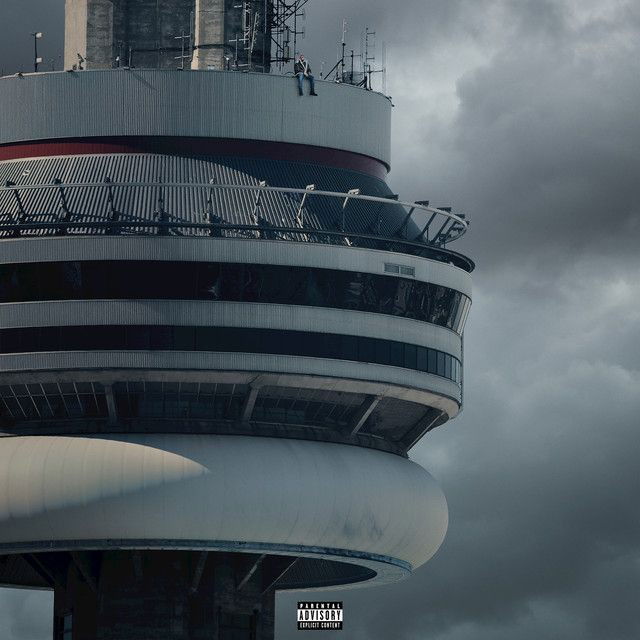
Controlla by Drake
A summer-ready slow-burner with sharp edges, Drake’s “Controlla” blends sensual dancehall grooves with questions about trust and power. For readers seeking the meaning of Controlla Drake, this breakdown shows how the lyrics and production work together to stage a push‑pull romance.
"Controlla" - Drake
You just buzzed the front gate
I thank God you came
Loading lyrics...
Unable to load lyrics
We're unable to display the lyrics at this time. Please try again later.
A Push-Pull Love Song, Set to Dancehall
“Controlla” follows a narrator who is both tempted and protective. They promise loyalty and intimacy while worrying about people who might disrupt the bond. The title centers the tug-of-war: who guides the rhythm of the relationship, and when?
Fact: The song appears on Views (2016) and was released as a U.S. single that summer. It rides a dancehall foundation—syncopated drums, deep bass, airy keys—that keeps the vibe sultry and unhurried. That warmth contrasts with the tensions beneath.

Watch the official Controlla
music video
Who’s Speaking, and What They Want
The narrator is Drake, in first person, offering devotion and availability. He’s the one waiting at the gate, clearing the night for a meet‑up, and promising he’ll stretch his limits. Short phrases like lie for you
and die for you
aren’t literal oaths; they dramatize commitment and the thrill of being all‑in.
Interpretation: He wants to be seen as reliable but also exciting. The intimacy hinges on responsiveness—meeting a partner’s needs and responding to their cues—without losing self‑respect.
The Hook’s Double Meaning
The refrain Like controlla
works two ways. On one hand, it hints at surrender—letting a partner set the pace, like handing over the controller. On the other, it signals agency—he can steer the vibe when asked. That dual reading is central to the meaning of Controlla Drake: healthy chemistry often swings between leading and letting go.
Key Moments in the Story
- The late-night arrival sets a private mood. He’s planned the night and doesn’t want plans to “fall through,” framing intention and follow‑through as love languages.
- In the bedroom dialogue,
go slower, go faster
captures consent and feedback. Desire becomes a duet, not a monologue. - He separates real love from clout. He shrugs off distractions and insists he’s
never on a waste ting
, pushing back on drama and time‑wasting energy around fame. - Jealousy surfaces. He worries about people who don’t want to see him happy, hinting that attention around celebrity can corrode trust.
Interpretation: The song reads like a negotiation—where both sides test boundaries until a balanced rhythm emerges. Control isn’t dominance; it’s coordinated energy.
Sound Design That Matches the Message
Producers Boi‑1da, Supa Dups, Di Genius, Allen Ritter, and others craft a minimal, mid‑tempo dancehall palette. The drums hit off the beat, the bass moves in waves, and the synths leave space for the voice. That openness invites call‑and‑response, which fits a lyric centered on direction, reply, and mutual adjustment.
The album version samples Beenie Man, whose ad‑libs color the track with authentic dancehall flair. Vocally, Drake leans into smooth, unforced melodies—less rap bravado, more croon—mirroring the careful, persuasive tone of the lyrics. The sonic restraint lets small gestures feel big, like a single word altering the room’s tempo.
Culture, Credits, and Reception
“Controlla” arrived in the same Views era that pushed global dancehall‑pop into U.S. radio rotation, alongside “One Dance” and “Too Good.” Before the album, a leaked version featured Popcaan; the official release pivoted, keeping the island pulse while changing the texture with the Beenie Man sample. Writers include Aubrey Graham, Matthew Samuels, Allen Ritter, Dwayne Chin‑Quee, Stephen McGregor, Moses Davis, Donald Dennis, Gary Jackson, Patrick Roberts, and Andrew Thomas.
On the charts, it became a staple: a U.S. Hot 100 top‑20 hit and a multi‑platinum seller, underscoring how a restrained groove can cut through summer noise. That success helped solidify Drake’s role in bridging Toronto rap/R&B with Caribbean sounds.
Other Ways to Read It
- Interpretation: A cautionary love song. The speaker isn’t just seduced; he’s guarding the connection from public meddling and personal insecurity.
- Interpretation: A consent‑coded bedroom track. The emphasis on feedback and shared pacing reframes “control” as collaborative.
- Interpretation: A fame filter. Lines about money and envy recast romance as a scarce safe space in a noisy life.
Takeaway for Today’s Listener
If the title sounds possessive, the lyrics complicate it. “Controlla” suggests that the best chemistry toggles control—sometimes you lead, sometimes you listen. That balance, not bravado, is the real flex.
Disclaimer: This is an interpretive analysis intended for discussion; individual listeners may hear different nuances.









