Why Drake's 'Houstatlantavegas' Feels Trapped
The meaning of Houstatlantavegas Drake comes down to a conflict between glamour and emptiness. On the surface, the song moves through bright lights, cash, hotels, and strip-club energy. Under that, it sketches a young woman who seems independent but is also caught in a system that feeds on desire, attention, and loneliness.
"Houstatlantavegas" - Drake
You know, exactly what you got
And I don't, blame you at all
Loading lyrics...
Unable to load lyrics
We're unable to display the lyrics at this time. Please try again later.
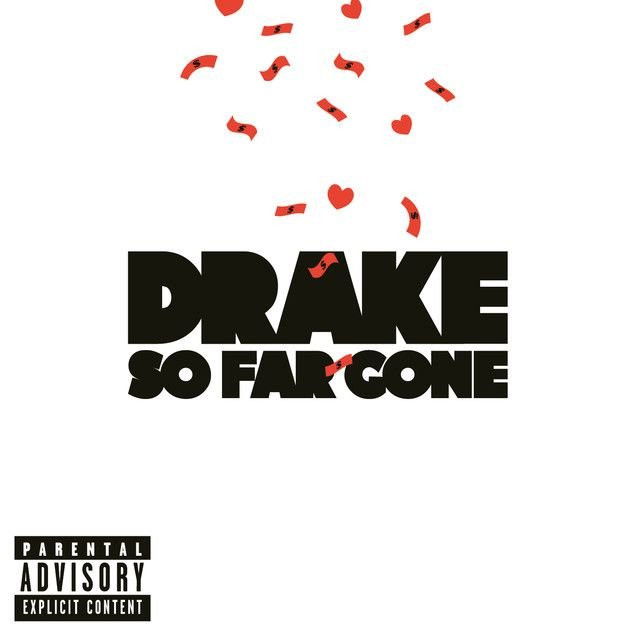
Released on So Far Gone in 2009, the track helped define Drake’s early style: rap that stayed close to R&B mood, confession, and late-night atmosphere. Drake and Noah “40” Shebib are credited as writers, and the song fits the emotional, moody sound that made that project stand out in the first place.
A City Made of Three Cities
The title is the song’s first big clue. Houstatlantavegas
is not a real place. It fuses Houston, Atlanta, and Las Vegas into one fantasy map of nightlife, performance, money, and escape.
Interpretation: By blending cities together, Drake suggests that this life feels the same everywhere. The clubs, hotel rooms, and after-hours scenes blur into one repeating world. The woman in the song is not trapped by one location so much as by a lifestyle.
That matters because the chorus does not celebrate travel or freedom. It says she is stuck in
that world. The phrase turns the title from something flashy into something sad.

Watch the official Houstatlantavegas
music video
The Woman at the Center
Drake frames the woman with sympathy. He notices that she knows her power, can earn for herself, and does not need saving in a simple fairytale sense. When the song says she can get what she wants on her own
, it gives her agency.
But the next emotional layer is fear. The song points to someone who knows there must be more to life, yet keeps returning to the same places. Her motion does not feel like progress. It feels like survival.
That is why the song stays morally complicated. Drake does not paint her as a villain or a saint. They present her as a person making choices inside a world that rewards beauty, youth, and performance while rarely offering stability.
Verse by Verse, the Story Gets Darker
The first part of the song shows the attraction of the scene. There are bright lights, steady cash, and the thrill of being wanted. Drake understands why she does not leave.
Then the song moves toward the emotional cost. Men throw money, admire her, and enjoy the spectacle. In one key image, throw your ones up
sounds like a club instruction, but it also reveals the system around her. Her way out, at least for the night, comes through the same economy that keeps her there.
In the longer verse, Drake widens the frame. He connects her life to hotel rooms, touring, weekends, and a whole culture of temporary highs. Everyone is reaching, peaking, and chasing the next night. That makes the woman less like a single character and more like a symbol of a generation living fast and feeling lost.
Drake’s Role: Observer, Client, and Would-Be Savior
One reason the song still holds up is that Drake does not place himself outside the story. He is part of the same environment. He desires her, requests her, worries about her, and admits he cannot truly reach her.
This tension gives the song its emotional bite. He wants intimacy, but the relationship is built inside performance and intoxication. He imagines rescuing her, yet he also benefits from the very scene that harms her.
Interpretation: That contradiction may be the point. The song is not about a pure rescue fantasy. It is about how people confuse care, desire, guilt, and obsession in spaces where everyone is partly acting.
How the Hook Turns Catchy Into Tragic
The chorus is memorable because it sounds simple, even hypnotic. She dances, the room responds, and the title keeps coming back. But repetition matters here.
Every return to she dance to the song
feels less like celebration and more like routine. The music keeps looping, and so does her life. What first sounds infectious gradually feels mechanical, almost haunted.
That is a big part of the meaning of Houstatlantavegas Drake. The hook behaves like the trap it describes. It is smooth, stylish, and hard to escape.
Why the Production Feels So Lonely
Noah “40” Shebib’s production is crucial to the song’s meaning. The beat is slow, airy, and dimly lit, with space around the drums and a drifting vocal feel. Instead of making the club sound explosive, the track makes it sound distant.
That choice changes everything. A louder, more triumphant beat might have made the song feel like nightlife fantasy. This one feels like the drive home after the fantasy fades.
The production also supports Drake’s emotional distance. He sounds fascinated, hurt, and tired at once. The atmosphere lets the listener feel the push and pull between seduction and sadness.
A Bigger Theme Beneath the Club Scene
At its core, the song is about being unable to convert attention into love or freedom. The woman gets money and desire, but not peace. Drake gets proximity, but not real connection.
That is why the track reaches beyond its setting. It is about modern performance in general: building a persona, staying in motion, and fearing what happens when the room goes quiet.
Final Read on the Song
The best way to read the song is as a portrait of emotional entrapment dressed up as nightlife glamour. It sees the appeal of the world it describes, but it also sees the damage.
In that sense, the meaning of Houstatlantavegas Drake is not just about one dancer or one club. It is about a whole system where everybody wants something, and almost nobody gets what they actually need.
Disclaimer: This article offers an interpretation based on the lyrics, official credits, and the song’s musical context. As with most art, listeners may reasonably hear it differently.








