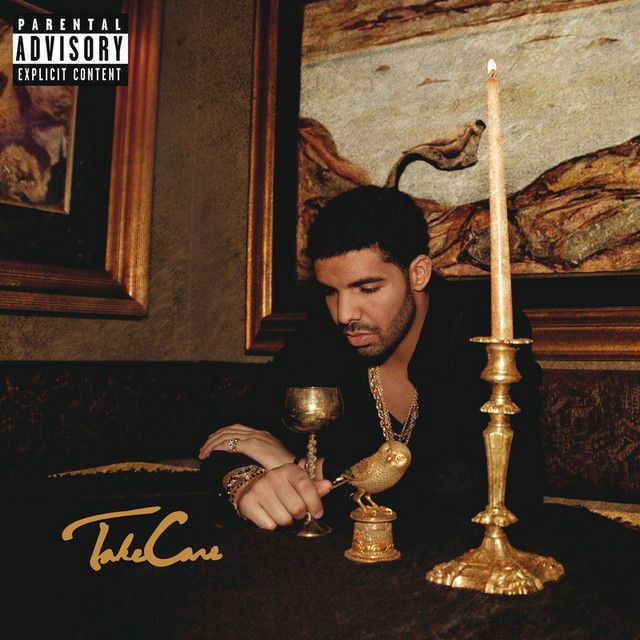
The Ride by Drake
Why This Song Still Hits Hard
The meaning of The Ride Drake comes down to a hard truth: getting what they wanted did not bring peace. Instead, the song shows success as a nonstop motion full of pressure, image management, and emotional distance. Drake turns fame into something closer to a long drive at night than a victory lap.
"The Ride" - Drake
I hate when, I hate when people say they feel me man
I hate that shit
Loading lyrics...
Unable to load lyrics
We're unable to display the lyrics at this time. Please try again later.
Released on Take Care, the song arrives near the end of an album already obsessed with fame, trust, and isolation. That context matters. By this point, they are not introducing ambition; they are asking what ambition costs once it works.
Watch the official The Ride
music video
At Its Core, It Is About Success Without Relief
On the surface, the verses list luxury details, public attention, travel, sex, and status. But the point is not that these things are glamorous. The point is that they do not solve the deeper problem.
Drake opens by rejecting the idea that strangers understand him. When people say they “feel” him, he treats that as shallow. The song argues that real fame creates a private experience few people actually know. Everyone sees the rewards, but not the paranoia, resentment, and emptiness behind them.
That is why the song keeps moving between flashy images and bitter lines. A nice suit, expensive dinners, airport treatment, and famous relationships all sound impressive. Yet each image carries unease. Love feels fake, friends feel faded, and attention feels transactional.
The Hook Turns Fame Into a Trap
The chorus is the emotional center. Drake repeats Why won't it stop?
and ties that plea to the ride
. In plain terms, they are saying the machine of fame keeps going whether they enjoy it or not.
I've been faded too long, oh
Why won't it stop? The ride
This is the article's only longer quote, and it captures the song's main idea: numbness has lasted so long that success now feels like motion without rest. Interpretation: the “ride” is both career momentum and a lifestyle they can no longer step out of.
A Story in Three Stages
Before the spotlight fully arrived
The middle verse looks back at hunger and early struggle. Drake describes the pre-fame era as nights spent chasing a dream, stretching small amounts of money, and trying to look successful before actually being secure. The image of borrowed status matters because it shows how ambition begins with performance.
They remember cramped spaces, collaborators with the same goal, and songs released in hope rather than certainty. In this section, the song becomes a career memoir. It suggests that the habits built during the climb—restlessness, image control, late nights—do not disappear after success.
Inside fame at full speed
The first and last verses shift to the present, where wealth is real but satisfaction is not. Drake talks about recognition, luxury, and romantic chaos, yet everything feels detached. Even admiration sounds hollow.
A key phrase is it's not love
. That line sums up the emotional world of the song. They are surrounded by attention, but they no longer trust what any of it means.
Home no longer feels simple
Later, Drake returns to Toronto imagery and airport travel. The city is still central to his identity, but home does not erase the changes fame has caused. Familiar places now feel distant. Even when they come back, they are not really back.
How Specific Lines Feed the Themes
Several short phrases sharpen the song's meaning. faded too long
suggests more than partying; it points to emotional blur. city lights and slow songs
paints a life that looks cinematic but feels lonely. what's good at home?
sounds casual, yet it reveals distance from ordinary life.
Another strong moment is problem children
, which mixes pride with danger. Drake links his crew, his city, and his brand to rebellion, but that edge also shows how success can preserve chaos instead of healing it.
Production Makes the Song Feel Foggy
The music matters as much as the words. The production is slow, airy, and shadowy, with a drifting rhythm that feels suspended rather than driving forward. That choice fits a song about being stuck in motion.
The writing credits include Adrian Eccleston, Abel Tesfaye, Austin Bascom, Aubrey Graham, and Martin McKinney. The song’s moody atmosphere also fits the wider sonic world around Drake and The Weeknd during the Take Care era, where R&B haze and rap confession often blurred together.
Drake’s performance helps, too. They alternate between blunt rapping and weary melody, which mirrors the split inside the lyrics: confidence on the outside, depletion underneath.
Two Strong Ways to Read It
Interpretation 1: The song is a critique of fame. In this reading, Drake is exposing how wealth and celebrity distort trust, romance, and self-worth.
Interpretation 2: The song is also about ambition itself. Even before fame, they were already trapped by the need to become someone. Success did not create the ride; it only sped it up.
Both readings work because the song connects the struggle years and the superstar years so tightly.
Final Take on the Meaning of The Ride Drake
The meaning of The Ride Drake is not that success is bad. It is that success can become emotionally unlivable when identity, image, and desire never slow down. The song turns luxury into evidence of exhaustion.
That is why it lasts. It sounds like a confession from someone who got what they asked for and then realized the motion never ends.
Disclaimer: This interpretation is based on the lyrics, album context, and publicly available credits. As with most songs, listeners may hear different meanings in the same lines.








