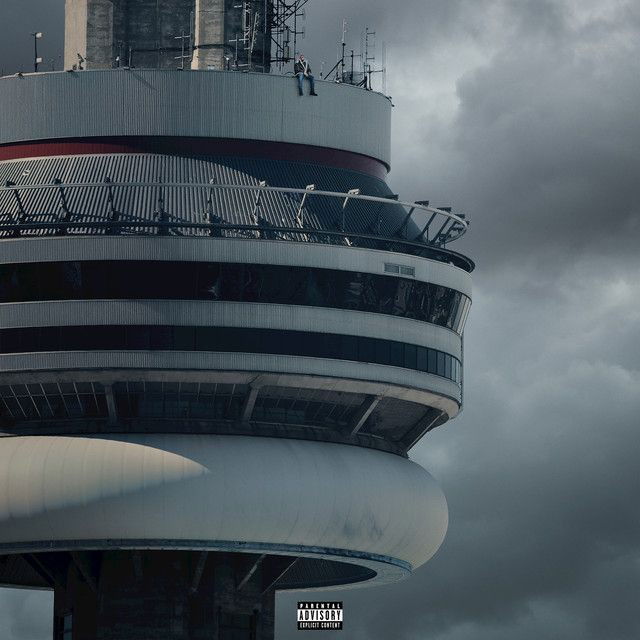
Weston Road Flows by Drake
The meaning of Weston Road Flows Drake comes down to a tension they know well: how do someone’s roots survive after fame changes everything?
"Weston Road Flows" - Drake
Provided by LyricFindOne of them ones
Right
Weston Road Flows, I did this shit for my nigga RennyLoading...Loading lyrics...
Unable to load lyrics
We're unable to display the lyrics at this time. Please try again later.
A Hometown Memory Turned Into a Warning
On Drake’s 2016 album Views, Weston Road Flows
works as both memoir and message. Factually, the song appears on Views and reflects on Drake’s Toronto upbringing, especially the Weston Road area, a connection noted by Songfacts.
The song is not just a victory lap. They move through old poverty, neighborhood loyalty, music ambition, and present-day distrust. That mix is why the meaning of Weston Road Flows Drake feels richer than a simple success story.
Interpretation: Drake seems to use the past to measure the present. Every memory becomes proof that success was earned, but also proof that success has made life harder to trust.

Watch the official Weston Road Flows
music video
Childhood Details That Build the Song’s Heart
The opening lines ground the song in specific memories. When Drake recalls being down to pennies
, they are not using struggle as decoration. They are setting a baseline. The listener understands that today’s luxury stands against a real memory of not having enough.
He also shouts out people from those years, including Renny, and mentions basement mixtapes, corner stores, and cheap drinks. These details matter because they make the song feel local and lived-in rather than mythic. According to Songfacts, the track is widely understood as a love letter to Toronto and the grind behind his rise.
Why the small details matter
Those neighborhood images do two things:
- They humanize Drake before the bragging starts.
- They show how identity was formed through community, scarcity, and hustle.
- They make Toronto feel like a character, not just a setting.
That is why the song lands emotionally. The memories are ordinary, but they carry deep pride.
Success, Distance, and the Cost of Fame
About halfway through, the song shifts from memory to comparison. Drake starts measuring their work ethic against rivals and questioning the sincerity of people around them. A line about secret handshakes
becoming tense handshakes captures that change in one image. Friendship used to mean private trust; now public success makes every greeting feel loaded.
Another key phrase is 40 the only one
, which points to producer Noah “40” Shebib as a rare source of understanding. That line hints at depression and emotional isolation. Even with money and status, Drake suggests that some problems cannot be solved through fame.
Interpretation: This is one of the song’s most important layers. They are not just boasting. They are arguing that being watched, praised, and envied can leave a person more alone, not less.
Brag Rap With a Defensive Edge
There is still plenty of classic Drake confidence here. He talks about chart numbers, his status among younger rappers, and the idea that others benefit from the lane he helped widen. When he says put the work in
, they frame success as labor, not luck.
That matters because the bragging in this track feels defensive. It is less about showing off than answering doubt. He sounds like someone reminding rivals—and maybe himself—that the climb was real.
A key emotional contradiction
Near the end, Drake paraphrases the old saying that money cannot buy happiness, then flips it into something more blunt and less noble.
Money can't buy happiness
but he is happiest with freedom.
That is one of the clearest ideas in the song. He does not pretend wealth solves everything. Instead, they suggest money buys control, comfort, and options, and those things can feel close to happiness even if they are not the same.
How the Production Deepens the Meaning
The beat is essential to the song’s meaning. Research from Pitchfork explains that Noah “40” Shebib built the track around a hazy sample of Mary J. Blige’s “Mary’s Joint,” with producer Stwo adding chords and helping shape the filtered outro. Stwo called it a love declaration to the city
and described it as a timeless record.
That makes sense when hearing it. The production is soft, foggy, and unhurried. It does not hit like a club anthem. Instead, it drifts, which gives Drake room to sound reflective even when they are being competitive.
Why the sample matters
Sampling Mary J. Blige brings an R&B warmth that fits the song’s themes:
- nostalgia
- memory
- tenderness under pride
- emotional weariness
The beat almost feels like a memory itself. That is why the song can move from childhood poverty to industry tension without sounding disjointed.
The Best Way to Read the Song
The best reading is that “Weston Road Flows” is about staying tied to the place that made someone while admitting that success changes how they see everyone. Toronto gave Drake their voice, ambition, and standards. Fame gave them reach, but also suspicion.
So the meaning of Weston Road Flows Drake is not just “they made it.” It is that making it comes with a strange trade: more proof of success, less certainty about people. The song honors the neighborhood, celebrates the work, and quietly admits that the reward does not erase the damage.
Final Take on Drake’s Toronto Reflection
“Weston Road Flows” stands out because it balances autobiography, rivalry, and vulnerability in one smooth performance. It sounds like someone looking over their shoulder without wanting to go backward.
That is what makes the song memorable. It is a hometown tribute, but also a survival speech.
Disclaimer: This article offers interpretation based on the song, publicly available credits, and reported interviews. Meaning can vary by listener.









