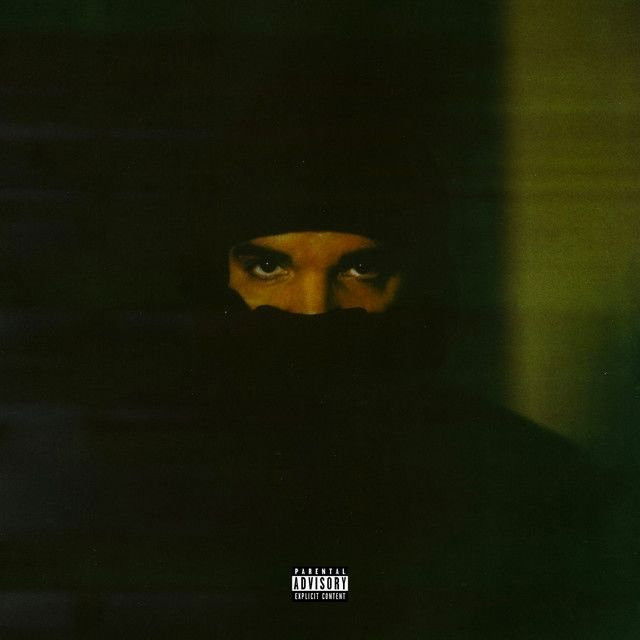
When To Say When by Drake
They know the phrase from restaurants and bars: someone pours, and you decide when enough is enough. That simple idea drives the meaning of When To Say When Drake. He turns a flex into a lesson about limits—how success isn’t only about what you gain, but when you stop, step back, and move smart.
"When To Say When" - Drake
Somebody hit me today and they were like
"Nah, just make sure, you know
Loading lyrics...
Unable to load lyrics
We're unable to display the lyrics at this time. Please try again later.
The Pour Stops: What the Track Means
At its core, the song weighs power against restraint. Drake opens with generosity—My hand's always open
—then checks the cost of giving, planning, and staying on top. He is proud of longevity and charts, even the pain behind them, as he notes he could fill the charts with my pain
.
Interpretation: Drake argues that real dominance is control. The title frames the whole piece as a discipline test: know when to push, when to fall back, and when to let others talk. He boasts, but the message is sober. Validation is nice; structure is better.

Watch the official When To Say When
music video
Who’s Talking, And To Whom?
This is first-person Drake addressing multiple audiences at once: his city, rivals, day-ones, and young artists watching him. He keeps Toronto close—the shorthand the 6ix
anchors pride and responsibility—and pivots between coach and competitor. The tone swings from calm advice to pointed questions, even moral dilemmas about wealth and what matters.
Interpretation: He’s both mentor and measuring stick. When he says he decides what to do next, it’s less threat than reminder: the industry moves around planning, not noise.
Three Key Beats You Can’t Miss
- The résumé check: Years in the game, chart runs, and earnings set the stakes. He’s not just bragging; he’s establishing authority to give advice.
- The limits lesson: Drake flips lifestyle symbols into discipline cues. Even the flex—
watch is on the other hand
—reads like a reminder to move differently when everyone’s watching. - The warning to quick-hit artists: He pushes back on empty hype with
How you gettin' hype off one hit?
The point is durability over moments.
He also highlights loyalty and business hygiene—registering companies, vetting partners, and paying people right—because empires fall when the paperwork and the team aren’t solid.
Images That Carry the Message
Drake’s symbols work like chapter headings:
- City as identity: repeated nods to
the 6ix
fuse fame with home, making success a civic duty. - Snakes and slithering: a quick sketch of betrayal and industry games, signaling why boundaries matter.
- Weather forecaster: calling himself the weatherman implies he predicts, not reacts; power is planning.
- Prayer hands and the “6 God”: faith language frames ambition as mission, not accident.
- Team and percentages:
stay close to your people
and reward them; blessings multiply when shared and audited.
Interpretation: These motifs turn the title into practice. Knowing “when” means reading rooms, contracts, and friendships with equal care.
Production: A Jay-Z Echo, Updated
June James builds the track around Jay-Z’s Song Cry sample, a classic soul loop that signals reflection the instant it hits. The warm chords and roomy drums cue a confessional space, while Drake runs a near-continuous verse with minimal hook. That structure matters: no sugary chorus, just a measured flow that feels like a business talk after hours.
The sample choice is also dialogue. Song Cry is about pride, loss, and admitting hard truths without breaking. Drake taps that mood to measure his own wins and wounds. The result is modern memoir rap: the beat carries nostalgia; the bars deliver present-tense strategy.
Alternate Angles, Same Title
- Career ledger reading: The song is a scorecard of years, dollars, and records meant to justify his voice of authority. Knowing “when” equals having earned the right to set the tempo.
- Mentor manual: It’s Drake codifying his operating system for younger artists—stay with day-ones, split percentages fairly, move in silence, and prove it twice.
- Self-check: Beneath the flex, he questions compliments and consciousness. Interpretation: the title also hints at his own off-switch—when to stop answering, stop spending, or stop giving energy to bad faith.
Takeaway
The meaning of When To Say When Drake points to a bigger rule of fame: control is the luxury. Flash is temporary, systems last. He’s telling peers—and reminding himself—that the real flex is restraint, loyalty, and planning that outlives hype.
Interpretation note
This article reflects one informed reading rooted in lyrics, production, and public context. Other interpretations are possible.








