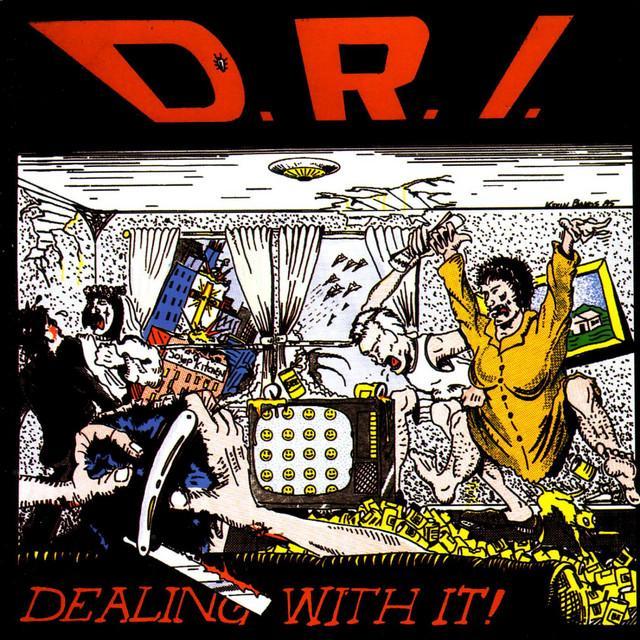
Why "Nursing Home Blues" by D.R.I. Hurts
The meaning of Nursing Home Blues D.R.I. comes through fast and hard: it is a song about aging, abandonment, and the fear of becoming unwanted. D.R.I. take a blunt first-person voice and put the listener inside the mind of an elderly man who feels discarded by family and society.
"Nursing Home Blues" - D.R.I.
My loved ones stuck me here in this nursing home
I've lost all usefulness
Loading lyrics...
Unable to load lyrics
We're unable to display the lyrics at this time. Please try again later.
That setup is simple, but the song is not shallow. Beneath its dark humor and harsh language, it asks a painful question: what happens when a person believes their value is gone?
A Punk Song About Being Thrown Away
On the surface, the narrator says exactly what hurts. He is an old man, isolated, grieving his wife, and living in a care facility because his family placed him there. When he says living alone
and names the nursing home
, the song frames old age as social exile, not peaceful retirement.
The key emotional point is not just physical decline. It is lost dignity. The narrator thinks his best years were spent giving to others, and now he believes he has been repaid with removal from ordinary life.
Interpretation: D.R.I. are not simply telling one sad story. They seem to use this character to criticize a culture that values people for usefulness more than humanity.
Watch the official Nursing Home Blues
music video
The Voice of the Narrator, Step by Step
The song works because the speaker sounds direct, bitter, and exhausted. They do not hide behind metaphor for long. Instead, the verses move through a chain of reasons for despair.
The losses pile up
First comes loneliness. Then comes bereavement: his wife is gone. Then comes family rejection. His daughter, in his view, treats him like a burden. When he says he gets in the way
, the phrase is small, but it carries a large shame. He is not claiming he is hated in some dramatic way; he feels worse than that. He feels inconvenient.
His self-image collapses
The narrator also adopts the cruel logic he thinks others use. He measures himself by productivity and youth. That is why the song’s most striking comparison matters so much: he sees himself like livestock no longer needed.
Like an old horse
put out to pasture
Those short lines reduce a human life to usefulness. The image is brutal on purpose. It shows how deeply the speaker has internalized neglect.
What the Refrain Means
The repeated line I want to die
is the song’s emotional center, but it should be read carefully. In narrative terms, it tells listeners how severe the character’s hopelessness has become. In thematic terms, it is also an accusation.
Each return of that line comes after another humiliation: losing a spouse, feeling ugly in old age, being treated like a cost, and deciding he is easier to store away than to love. The refrain is not there for shock alone. It reveals a mind that has started to agree with the world’s worst message about old people: that they are no longer worth the trouble.
Family, Guilt, and Social Critique
One of the song’s sharpest moves is that it does not paint the family in much detail. That lack of detail makes the problem feel broader. This could be one household, but it can also stand in for a larger American fear about institutional aging and emotional distance.
The daughter section is especially effective because it mixes vanity, discomfort, and guilt. The narrator believes his wrinkles and gray hair upset her because they force her to look at mortality. Whether that is fully true is unclear, but the feeling is believable.
Interpretation: The song may be less interested in proving the daughter is evil than in showing how loneliness can magnify every slight. Still, D.R.I. clearly push listeners to notice how easily older people can be made to feel invisible.
How the Sound Carries the Meaning
D.R.I., short for Dirty Rotten Imbeciles, built their reputation on crossover thrash and hardcore intensity, as noted in the band history at AllMusic. That matters here. A song like this could have been written as a slow ballad, but D.R.I. choose speed, bite, and abrasion instead.
That choice changes the meaning. Fast drums, clipped riffs, and a barking vocal delivery turn private misery into public outrage. The arrangement does not soothe the narrator. It traps him in a nervous, angry spiral.
There is also a grim irony in the title. “Blues” usually suggests sorrow, but D.R.I. filter that sadness through punk velocity. The result feels less like quiet mourning and more like a panic attack with a social message. Credits commonly list Kurt Brecht and Pete C. as songwriters in D.R.I. discographies such as Discogs.
Why the Final Turn Matters
Late in the lyric, the narrator briefly softens. Lying in bed, he thinks maybe this arrangement is for the best
. That moment is easy to miss, but it is crucial.
It is not a happy ending. It is surrender. He tells himself he is out of everyone’s way and, even if he costs money, he no longer cares. In other words, he tries to make peace with being erased.
That final shift deepens the meaning of Nursing Home Blues D.R.I. because it shows despair turning into acceptance of neglect. The saddest part of the song is not only that he suffers. It is that he begins to justify the system that hurt him.
The Lasting Meaning of "Nursing Home Blues"
What makes the song memorable is its lack of sentimentality. D.R.I. do not romanticize old age, family duty, or personal resilience. They present a voice that feels cracked, angry, and tired, then let that voice expose a social failure.
For listeners in the United States, the song still lands because worries about elder care, family obligation, and loneliness remain familiar. Its language is extreme, but the fear underneath it is common: being left alive, but no longer included.
In that sense, the song is both character sketch and protest. It is about one old man, but it points toward a bigger cultural habit of confusing care with storage.
Disclaimer: This article offers interpretation based on the lyrics, D.R.I.’s style, and available context. Song meaning can remain open to different readings.








