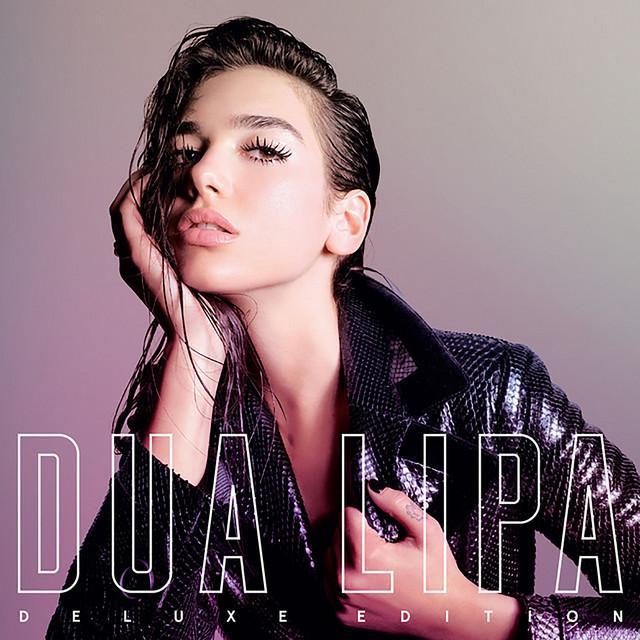
Why Dua Lipa's 'Be the One' Still Hits
The meaning of Be the One Dua Lipa comes down to a simple but powerful tension: they know the relationship is damaged, but they still believe it can be saved.
"Be the One" - Dua Lipa
Provided by LyricFindI see the moon
I see the moon
I see the moonLoading...Loading lyrics...
Unable to load lyrics
We're unable to display the lyrics at this time. Please try again later.
A Plea, Not a Fantasy
At heart, "Be the One" is about trying to repair a relationship after confusion and distance. The singer is not acting cool or detached. They are direct, vulnerable, and willing to admit fault. That is why the song lands so strongly: it turns regret into action.
Factual context helps here. The song was written by Lucy Taylor, Jack Tarrant, and Nicholas Gale, better known as Digital Farm Animals, with Gale producing it. According to reporting summarized by Wikipedia and Songfacts, the song began from Taylor's experience of miscommunication in a relationship. Dua Lipa later said the track was also about self-belief, perseverance, and fighting for what they want.
That mix matters. The song is both romantic and personal. It is about wanting someone back, but it also sounds like someone proving they are capable of loving better.

Watch the official Be the One
music video
Where the Story Starts
The opening lines establish a split in perception. One person notices the moon while the other looks at the sun. Later, the song shifts to seeing in blue
while the other sees everything in red
. In plain terms, they are not reading the relationship the same way.
That is the song's key conflict. They are not just separated by circumstance. They are separated by perspective.
Interpretation: the moon-and-sun contrast suggests mismatched timing, mood, or emotional focus. The blue-and-red contrast pushes that idea further. Blue can suggest calm, sadness, or reflection. Red can suggest anger, urgency, or passion. The exact meaning is open, but the bigger point is clear: both people are emotionally out of sync.
Regret Powers the Chorus
The pre-chorus gives the emotional center away. When the other person leaves, all the lights go out
. That image is simple, but effective. The room does not literally go dark; their emotional world does.
Then comes the admission: I was wrong
. That line is crucial because it separates this song from many pop songs about heartbreak. They are not only blaming the other person. They are taking some responsibility and asking to repair what broke.
That leads into the chorus, where the promise becomes the point. The singer asks for another chance and insists I could be the one
. In other words, they are not just saying, “Come back.” They are saying, “I can do better if you let me try again.”
The Hook's Real Meaning
More than romance
The hook repeats so often that it starts to sound like self-convincing as much as persuasion. Repetition in pop can work like emphasis, but here it also feels like an internal mantra.
That reading lines up with Dua Lipa's own explanation, reported by Songfacts: the song is about “self-belief, perseverance, and fighting for what you want.” Even though the story is clearly about a relationship, the repeated claim becomes bigger than dating. It sounds like someone trying to become worthy of the future they want.
Sound That Lifts the Emotion
One reason the song became a sleeper hit is that its production does not drown in sadness. Sources including Wikipedia describe it as dream pop, Europop, and synth-pop with airy beats, handclaps, layered melodies, calypso synths, and 1980s-style grooves.
That matters for meaning. The lyrics describe longing and miscommunication, but the track keeps surging forward. The programmed drum loop and bright synth textures make the plea feel energized rather than helpless.
Jack Tarrant's vocal production and guitar details, paired with Digital Farm Animals' clean pop build, give the song a polished push. Instead of sounding broken, they sound determined. That is a big reason the chorus feels triumphant even while it is asking for mercy.
Why the Song Connected So Widely
Released in 2015 and later re-pushed after gaining traction in Europe, "Be the One" became one of Dua Lipa's early breakthroughs. It eventually reached the UK top 10 and earned strong international chart runs, according to Wikipedia.
Its success makes sense. The song captures a feeling many people know:
- realizing too late that someone matters
- wanting to fix a misunderstanding
- trying to prove growth, not just devotion
It is also emotionally accessible. The language is plain, and the images are broad enough for listeners to project their own story onto them.
A Second Reading: Love or Self-Transformation?
Interpretation: one reading is straightforward. They miss someone, know they made mistakes, and want another chance.
A second reading is more interesting. The repeated promise to be the one
can sound like an argument with the self. They are trying to become more reliable, more mature, more honest. In that sense, the love interest becomes the mirror that reveals what needs to change.
That is why the song feels both intimate and motivational. It is not just about winning someone back. It is about becoming someone who will not let you down and run
.
Why "Be the One" Endures
The meaning of Be the One Dua Lipa lasts because it balances apology with hope. They do not deny the damage, but they refuse to believe the story is over.
The song's best idea is also its simplest: love is not only a feeling. Sometimes it is a decision to speak clearly, admit fault, and try again with more courage than before.
Disclaimer: This interpretation mixes documented context with critical reading of the lyrics and sound. Like most pop songs, "Be the One" can support more than one meaning depending on the listener.









