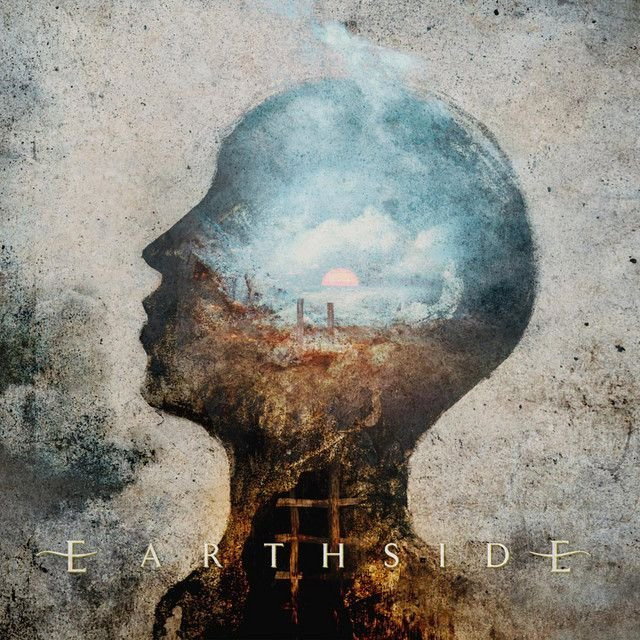
Why 'A Dream in Static' Feels So Human
The meaning of A Dream in Static Earthside, Daniel Tompkins centers on a painful split: they can still imagine a fuller life, but they no longer trust they can reach it. The song speaks in the language of regret, burnout, and restless ambition. Rather than describing one clear event, it captures a state of mind where possibility is still visible, yet action feels blocked.
"A Dream in Static" - Earthside ft. Daniel Tompkins
Life, illusion
I'll always wish we'd become
Loading lyrics...
Unable to load lyrics
We're unable to display the lyrics at this time. Please try again later.
Earthside is known for progressive, cinematic rock, and Daniel Tompkins brings the emotional precision many listeners know from his work with TesseracT. In that context, this track feels built to sound huge while staying deeply internal. Even without outside backstory, the lyrics show a narrator wrestling with lost momentum and the fear of fading before becoming who they meant to be.
The Core Tension Hiding Inside the Song
At its heart, the song contrasts dream and reality. It opens by suggesting that what once felt vivid now looks unstable, almost unreal. The line Life, illusion
is brief, but it points to a larger crisis: they are questioning whether their plans, identity, or sense of control were ever solid in the first place.
That idea deepens when the lyric turns from memory to regret. The narrator is not just sad about what happened. They are haunted by what did not happen, by all that could have been
. That phrase matters because it frames the pain as unrealized potential, not only loss.
Interpretation: this is less a breakup song than a crisis of becoming. They seem to grieve the person they might have grown into.
A Voice Trapped Between Effort and Exhaustion
One of the strongest patterns in the lyric is the repeated admission of emotional depletion. When the song returns to Disheartened
, it does more than describe a mood. It marks the point where striving starts to feel pointless.
The following thought, fighting for no reward
, sharpens that feeling. The narrator believes they have pushed, waited, and endured, yet nothing lasting has come from it. This gives the song its ache: they still want more, but they are losing faith in the process.
That is why the song feels so human. Many listeners know the experience of working toward a life that keeps staying just out of reach. The lyrics never reduce that struggle to a simple lesson. Instead, they sit inside the frustration.
How the Song Builds Its Story
The song moves like a spiral, not a straight line. Still, its emotional timeline is clear:
- They begin by looking back at a dream that once felt real.
- They admit a painful loss of control and their own passivity.
- They confront fear, delay, and the sense that time is running short.
- They shift toward legacy, asking how they might be remembered.
- They end at a breaking point between surrender and transformation.
A key phrase in this middle stretch is running out of time
. It makes the song larger than temporary sadness. Now the fear is mortality, relevance, and unfinished purpose.
The Wish to Leave Something Behind
The most revealing section may be the part about wanting to be remembered and offering something that will last. The image of a final gift becoming a lasting ripple suggests that they want meaning beyond the present moment.
Interpretation: this can be read as artistic legacy. Since the lyrics focus on ambition, becoming, and leaving a lasting effect, the song may describe the fear of creating too little, too late. But it can also apply to any person who worries their life has not matched their inner vision.
Dream, Static, and Floating: The Big Symbols
The title gives the clearest symbolic map. A dream suggests hope, identity, or destiny. Static suggests interference. Put together, the song presents a self whose deeper calling is still there, but obscured.
Another recurring image is floating away. On the surface, that can sound like escape. But in context, it feels more complicated. They are not only trying to disappear; they may also be trying to rise beyond heaviness, to move past paralysis into something real.
That is why the closing desire to drift until it's real
lands with such force. It sounds impossible and desperate at once. They want transcendence, but they cannot quite tell whether it will come through action, surrender, or collapse.
Why the Sound Matters So Much
Earthside’s style is crucial to the song’s meaning. Their writing often blends progressive metal weight with orchestral atmosphere, and that mix suits lyrics about inner conflict. The arrangement likely feels expansive on purpose: the music reaches for the scale of the dream even as the words describe obstruction.
Tompkins’ vocal style also matters. He tends to balance clarity with emotional strain, which helps the song feel both intimate and dramatic. When a voice sounds like it is pushing upward against pressure, it reinforces the lyric’s central conflict: they want to become more than their limits allow.
The Most Plausible Reading
The meaning of A Dream in Static Earthside, Daniel Tompkins is best understood as a portrait of stalled becoming. It is about seeing a meaningful life in the distance, mourning lost agency, and fearing that time will run out before that life can be made real.
A second valid reading is creative burnout. The language of ambition, offering, and lasting impact strongly supports that view. Still, the song works because it stays open enough to fit broader struggles with depression, passivity, or unrealized potential.
Final Thought
What makes this song resonate is that it never pretends hope is easy. It captures the harsh middle space where desire survives, but confidence does not. That tension is what gives the song its lasting emotional pull.
Disclaimer: This interpretation is based on the lyrics provided and publicly known artist context. As with most songs, listeners may hear meanings that differ from this reading.







