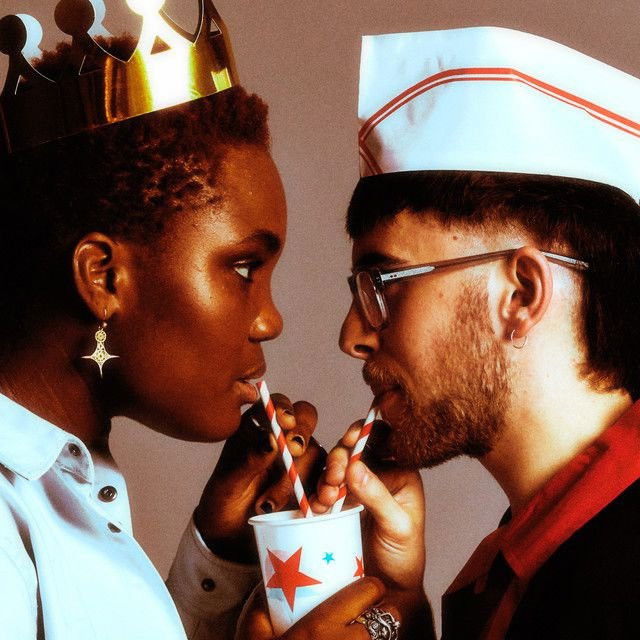
sangria by hard life, Arlo Parks
The meaning of sangria hard life, Arlo Parks comes down to a relationship that feels thrilling, comforting, and unhealthy at the same time. The song lives in the space between a party and a hangover. It shows two people pulled together by chemistry, routine, and emotional need, even when they know the cycle is draining them.
"sangria" - hard life, Arlo Parks
Popping like we'll never stop
Reaching for some H2O
Loading lyrics...
Unable to load lyrics
We're unable to display the lyrics at this time. Please try again later.
Released by hard life, the band formerly known as easy life, with Arlo Parks as a featured voice, the track fits both artists well: sharp writing, soft edges, and emotional detail shaped into something catchy. The songwriters listed for the track are Arlo Parks, Murray Cameron Matravers, Oliver Cassidy, and Robert James Milton. In plain terms, this is a duet about craving someone who brings relief and chaos in equal measure.
The Heart of the Song: Need, Not Peace
At its center, the song is about dependence. Not just romantic love, but the kind of attachment that starts to feel chemical. The narrator does not describe a stable bond. They describe a repeated pattern of drinking, calling late, sleeping badly, and missing the other person the moment they leave.
That is why the chorus matters so much. When the song says something that I need
, it frames the whole relationship as a kind of fix. The word choice is important. They do not say they simply want this person. They need them, and that makes the connection feel less balanced and less healthy.
Interpretation: the song is not celebrating toxicity, even though it sounds warm and inviting. It is showing how easy it is to confuse comfort with cure.

Watch the official sangria
music video
A Romance Told Through Small, Messy Details
One reason the song feels real is its ordinary detail. Instead of using huge dramatic statements, it builds character through cluttered, intimate moments: bottles, kitchens, bad planning, profile pages, and half-finished nights. Those images make the relationship feel lived-in.
The line about being so shit at making plans
suggests that this bond runs on impulse rather than stability. Their life together is reactive. One person calls; the other answers. One person leaves; the other spirals. They are not building a future so much as repeating a habit.
The song also mixes desire with embarrassment. The narrator misses touch, body heat, and familiar rituals, but they also know this pattern keeps hurting them. That tension gives the song its emotional pull. It sounds affectionate, but the words keep exposing a lack of control.
Why the Chorus Hits So Hard
The hook is blunt and memorable because it admits two feelings at once: resentment and longing. The narrator says they hate being left, but that anger comes from dependence. They are not angry because they are over the relationship. They are angry because they are still trapped inside it.
That emotional split is summed up by not zen enough
. It is a funny phrase, but it carries weight. It means they know they should be calmer, more detached, more self-possessed. But they are not. They are still caught in the same weekly cycle.
I fucking hate it when you leave
'Cause you've got something that I need
That short moment is the song's thesis. It turns romantic attachment into a confession of withdrawal.
Symbols of Intoxication and Escape
The title points listeners toward the song's larger image system. Sangria is sweet, social, and easy to drink. It suggests pleasure, summer, and looseness. But here, that sweetness hides imbalance.
Early on, the song pairs alcohol with physical and emotional instability. The image of feeling euphoric but unbalanced
captures the relationship perfectly. They are lifted up, but not grounded. Pleasure arrives with wobble.
Other images deepen that mood:
- Water appears as a wish for cleansing or reset.
- Late-night calls suggest loneliness and relapse.
- The kitchen becomes a place of collapse, not comfort.
- Social media details hint at performance and self-mythology.
Even the line about dosing themself again points to repetition. The person becomes tied to the same loop as a substance. Interpretation: the song blurs the line between romance and self-medication on purpose.
Arlo Parks and hard life Make the Story Two-Sided
Arlo Parks changes the emotional texture of the song. Her writing often focuses on vulnerability, memory, and emotional precision, while hard life's Murray Matravers is known for mixing wit, melancholy, and everyday detail. In this track, those styles meet in a way that makes the relationship feel mutual rather than one-sided.
That matters because the song is not just about one reckless person chasing another. It sounds like both people are involved in the loop. When the perspective shifts from girl
to boy
, the song quietly suggests that need moves in both directions.
Interpretation: the duet structure widens the meaning. Instead of victim and villain, the song presents two people who keep feeding the same pattern.
How the Production Carries the Meaning
The production supports the lyric perfectly. The groove is smooth, light, and slightly hazy, which mirrors the song's mix of pleasure and damage. It feels easy to sink into. That is the point.
The beat glides rather than drives, and the vocals feel conversational, almost casual. This softness makes the emotional confession land harder. If the instrumental were darker or louder, the message might feel moralistic. Instead, the music tempts the listener the same way the relationship tempts the narrator.
There is also a contrast between polished melody and unstable content. The song sounds sweet while describing behavior that is clearly not sustainable. That mismatch is one of its smartest moves.
The Final Meaning of "sangria"
So what is the meaning of sangria hard life, Arlo Parks? It is a portrait of a relationship that acts like a temporary remedy. It gives warmth, touch, memory, and escape, but it never fixes the deeper problem. Every night out and every late call only resets the cycle.
The song works because it does not flatten that experience into a simple warning. It understands why people stay in patterns that hurt them. They stay because the connection is real, the comfort is real, and the loneliness after it ends is real too.
In that sense, "sangria" is about the danger of confusing intensity with healing. It captures the moment when desire becomes habit, and habit starts to feel like need.
Disclaimer: This interpretation is based on the lyrics, performance, and public song credits. Like most songs, "sangria" can support more than one meaning.








