Why “Great Things” Still Feels So Restless
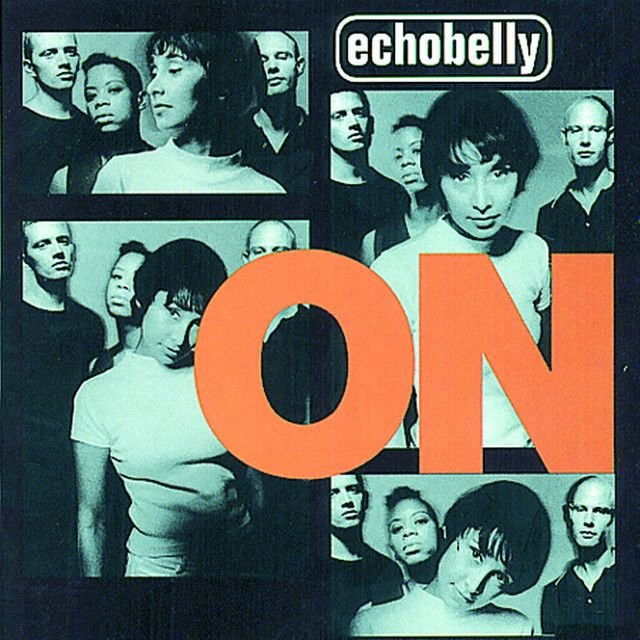
The meaning of Great Things Echobelly comes down to a sharp emotional split: they want a bigger, fuller life, but they also know desire can turn into confusion. Released in 1995 as the lead single from On, the track became Echobelly’s highest-charting UK hit, reaching No. 13, according to available chart summaries and release data in the song’s reference history. It was written by Sonya Madan and Glenn Johansson and produced by Paul Kolderie.
"Great Things" - Echobelly
I don't want to compromise,
I want to know what life is,
Loading lyrics...
Unable to load lyrics
We're unable to display the lyrics at this time. Please try again later.
What makes the song last is not just its energy. It is the way ambition, romance, memory, and self-doubt all sit inside one catchy Britpop song.
A Chorus Built on Hunger
At the center of the song is a repeated wish: I want to do great things
. That line sounds bold and simple at first. But the words around it make the goal harder to define.
The singer also says I don't want to compromise
, which gives the song its backbone. They do not just want success. They want meaning without selling part of themselves to get it.
Interpretation: this is why the chorus feels so relatable. It is not bragging. It is the sound of someone young enough to dream big, but thoughtful enough to see that every choice costs something.

Watch the official Great Things
music video
Bigger Than Success, Smaller Than Certainty
The song keeps asking basic questions that most people never fully answer. It reaches for life, love, and knowledge all at once. When the singer wants to know what life is and to try everything
, they are not chasing one goal. They are chasing total experience.
That matters because the song never settles on a neat slogan. It pushes forward, then stops to wonder what any of this actually means. The recurring admission that there is much they do not know keeps the song grounded.
Interpretation: the real tension is not between success and failure. It is between desire and understanding. They want a larger life, but they know wanting is easier than knowing.
Love as a Wound People Help Create
One of the song’s smartest turns is the question about love. Instead of presenting love as purely romantic or magical, it asks whether it is something I do to myself
.
That line changes everything around it. Suddenly, the song is not only about outside goals. It is also about inner habits: idealizing people, repeating emotional patterns, and helping create one’s own heartbreak.
The verse that contrasts the saying love and war
with the reality of broken hearts supports that idea. The song rejects easy clichés. It suggests emotional damage can be quieter than violence, but still deeply felt.
Never wanted many things,Except the chance to learn,From my mistakes
That brief moment reveals a lot. The speaker does not claim wisdom. They just want the ability to grow. Yet the next thought undercuts that hope by admitting people often repeat old errors anyway.
Memory, Childhood, and the Self They Carry
Another key part of the meaning of Great Things Echobelly is memory. Midway through the song, life is measured through dreams, friendships, and traces of childhood. Even clothing and familiar smells become carriers of identity.
This is important because the song’s ambition is not purely future-facing. They want great things, yes, but they are also shaped by what has already happened. The self is built from old stories as much as new plans.
Interpretation: that makes the song feel more human than a typical anthem. It does not say greatness comes from pure confidence. It suggests people chase big lives while dragging memory, nostalgia, and unfinished lessons behind them.
Why the Sound Feels So Bright and So Uneasy
Musically, “Great Things” works because Echobelly wrap these questions in a brisk, guitar-driven arrangement. The band’s lineup on the single included Sonya Madan on vocals, Glenn Johansson and Debbie Smith on guitar, Alexander Keyser on bass, and Andy Henderson on drums, with Paul Kolderie producing.
The sound is lean and punchy, very much in step with mid-1990s Britpop, but it avoids smugness. The guitars feel bright and propulsive, while Madan’s vocal delivery stays cool, direct, and slightly detached. That balance matters.
If the singing were too sentimental, the song could feel heavy. If it were too celebratory, the doubt would disappear. Instead, the performance lets both sides live together: determination on the surface, uncertainty underneath.
A Small Song With a Wide Meaning
Madan has described the song as being about inspiration, aspiration, and the fact that everyone is hungry for something. That explanation fits the lyric closely. The hunger here is emotional, intellectual, and personal all at once.
The song’s chart success also makes sense in that light. It is catchy enough to sound immediate, but thoughtful enough to keep opening up over time. Listeners can hear it as a youth anthem, a self-questioning love song, or a portrait of restless ambition.
What “Great Things” Finally Says
In the end, the meaning of Great Things Echobelly is not that greatness is guaranteed. It is that the desire for more can define a person even when answers never arrive.
The song honors longing without pretending longing is clean. It shows how ambition can inspire people, how love can confuse them, and how memory can keep pulling them backward while they try to move ahead.
That is why “Great Things” still lands. It sounds like confidence, but it really understands uncertainty.
Disclaimer: This interpretation is based on the released song, available credits, and public comments from the artist. As with any lyric, listeners may reasonably hear different meanings in it.








