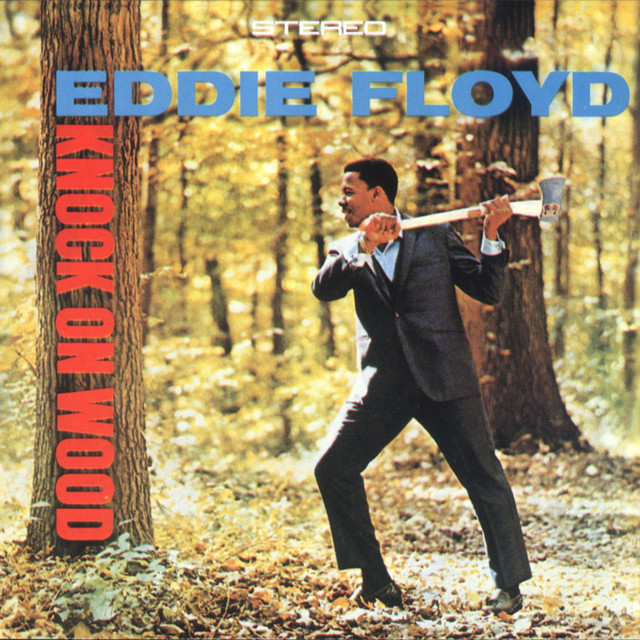
Why Eddie Floyd's 'Knock on Wood' Still Sparks
The meaning of Knock on Wood Eddie Floyd comes down to one big feeling: they know they have something wonderful in love, and they are scared it could disappear. The song turns that nervous gratitude into a simple superstition. Instead of sounding weak, that fear makes the romance feel even stronger.
"Knock On Wood" - Eddie Floyd
That I got 'cause if I do
I will surely
Loading lyrics...
Unable to load lyrics
We're unable to display the lyrics at this time. Please try again later.
Released by Stax in 1966, the song was written by Eddie Floyd and Steve Cropper, became a No. 1 R&B hit in the U.S., and later appeared on Floyd’s debut album Knock on Wood (Songfacts; Wikipedia). Its staying power comes from how clearly it mixes desire, joy, and worry in just a few vivid images.
A Love Song Built on Lucky Fear
At its core, the song is not really about superstition. It is about emotional risk. The singer believes the relationship is so good that losing it would hurt badly. When they say this good thing
, they frame love as a rare gift, not something ordinary.
That is why the title phrase matters. In American speech, “knock on wood” means trying not to jinx good luck. The song uses that everyday idea to show a lover who feels blessed but uneasy. They are not cold or casual; they are fully invested.
Interpretation: The genius of the lyric is that it treats vulnerability as proof of real love. The singer sounds confident about how powerful the relationship is, yet unsure whether happiness can last.
Watch the official Knock On Wood
music video
The Hook Turns Romance Into Suspense
The chorus gives the song its emotional twist. They describe this love as better than anything they have known, then compare it to a storm with thunder and lightning
. That image makes the relationship feel electric, physical, and slightly dangerous.
The line about love being frightening
is especially important. It does not suggest fear of the partner. It suggests fear of how deeply they feel. This is the kind of romance that shakes their whole body and mind.
You better knock, knock on wood
I'm not superstitious
But I can't take no chance
That brief moment sums up the whole song. They may not literally believe in magic, but their feelings are so intense that they act as if luck needs protecting.
How the Verses Build the Meaning
Each verse adds another layer to the same emotional idea:
- First, they fear losing a great love.
- Then, they admit they are overwhelmed and almost hypnotized by it.
- Finally, they show how satisfying and steady this connection feels.
When the singer says in a trance
, the point is not confusion. It is total surrender. Love has taken over their thoughts.
Later, the song becomes more physical and affectionate. The partner is described as deeply nourishing and attentive, someone who gives comfort as well as excitement. That balance matters. This is not just lust. It is desire mixed with dependence and gratitude.
From Superstition Gag to Soul Classic
Part of the song’s meaning becomes clearer when its writing story is known. According to Songfacts, Floyd and Cropper were trying to write about superstitions more broadly before landing on the phrase “knock on wood.” Steve Cropper said the whole theme changed once they focused on the idea of protecting a great relationship.
The famous storm image also came from real-life memory. Cropper recalled that Floyd talked about thunderstorms in Alabama, which helped inspire the love-as-storm comparison (Songfacts). That backstory helps explain why the imagery feels natural instead of decorative.
Interpretation: The song works because it takes two common things—romantic fear and folk superstition—and locks them together. One gives the song humor, the other gives it heart.
Why the Sound Makes the Message Hit Harder
The recording matters just as much as the lyric. The 1966 Stax session featured Booker T. & the M.G.’s, with Isaac Hayes on piano and Wayne Jackson contributing trumpet parts, according to Wikipedia and Songfacts. That lineup gives the track its tight, muscular soul sound.
The horns hit like warning flashes. The guitar keeps things clipped and urgent. The groove feels steady, but never relaxed.
Most famous is the pause before the title lands. Songfacts notes that drummer Al Jackson Jr. helped create the space and drum punctuation that mimic an actual knock. That tiny break turns the superstition into a physical act the listener can almost hear. It is clever, but it also deepens the meaning: the singer is not just talking about fear of loss. They are acting on it.
A Bigger Legacy Than One Hit
The song’s message proved flexible enough to survive across genres. The original Eddie Floyd version hit No. 28 on the Billboard Hot 100 and No. 1 on the R&B chart, while later versions by Otis Redding and Carla Thomas, David Bowie, and Amii Stewart kept the song alive for new audiences (Wikipedia). That long afterlife suggests the theme is universal.
People understand the feeling immediately: when love feels almost too good, they become protective. They joke, they pray, or they reach for a ritual. Floyd turned that impulse into one of soul music’s smartest hooks.
The Lasting Meaning of the Song
So, the meaning of Knock on Wood Eddie Floyd is not just “I’m in love.” It is “I’m in love, I know how lucky I am, and I do not want fate to take it away.” That mix of pleasure and panic gives the song its charge.
Interpretation: They are not asking for more love. They are trying to keep a miracle from slipping through their hands.
That reading is an interpretation based on the lyrics, recording context, and documented history of the song.








