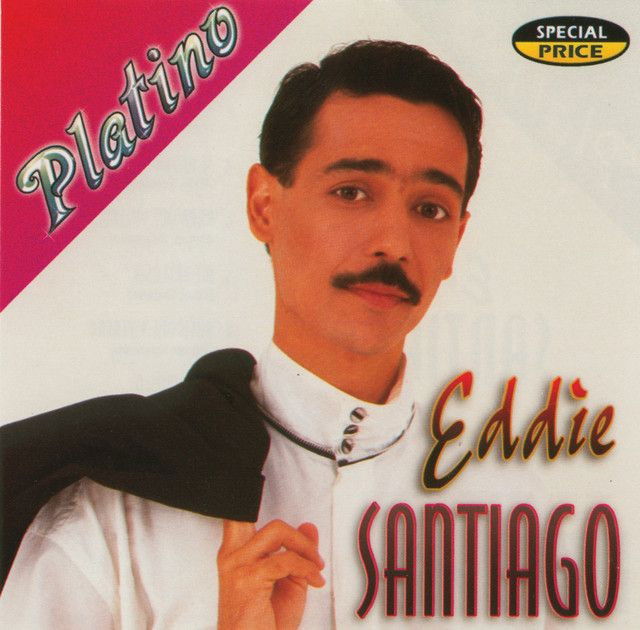
Antídoto Y Veneno by Eddie Santiago
A love song built like a warning
The meaning of Antídoto Y Veneno Eddie Santiago centers on a romance that feels irresistible and destructive at the same time. The singer is not describing healthy love. They are describing a bond that gives pleasure, then pain, and keeps pulling them back anyway.
"Antídoto Y Veneno" - Eddie Santiago
Cada día más falta me hace, quiero verla
Ya mis labios no soportan su ausencia
Loading lyrics...
Unable to load lyrics
We're unable to display the lyrics at this time. Please try again later.
From the start, the narrator tries to forget this person, but fails. They crave her presence, miss her physically, and feel themselves slipping deeper into dependence. That is why the title matters so much: she is both the cure and the poison. In other words, she relieves the ache she causes.
This is a classic romantic trap, but the song gives it extra force by using addiction imagery instead of sweet language. The key phrase antídoto y veneno
sums up the whole emotional conflict in four words.

Watch the official Antídoto Y Veneno
music video
Desire without real love
A major idea in the song is the gap between physical desire and emotional connection. The narrator believes the woman wants the body, not the heart. When the lyric points to nada de sentimiento
, it frames the affair as empty on one side and emotionally costly on the other.
That imbalance drives the pain. They want tenderness, permanence, and mutual love, but the relationship seems based on contact, impulse, and repetition. The song keeps returning to the fact that this person is not really theirs. They belong to her emotionally, but she does not belong to them in the same way.
Interpretation: This is why the song feels sad even when it sounds seductive. It is not celebrating passion. It is showing how passion can become a substitute for love when someone cannot let go.
How the verses map the downward spiral
The story unfolds in a clear pattern:
- They try to push her out of mind.
- The absence only makes the craving stronger.
- They know the relationship is hurting them.
- They still return to it.
That pattern makes the song feel trapped. The narrator is self-aware, but awareness does not save them. A telling phrase is voy cayendo en un abismo
, which suggests a fall they can feel happening in real time.
Later, the song admits they look for ways to leave, yet still collapse at her feet. That gives the track its emotional honesty. The problem is not confusion. The problem is compulsion.
Como droga que me mata
a fuego lento
This brief image is the song's emotional core. The relationship does not destroy them all at once. It works slowly, through repeated returns, false relief, and mounting need.
The addiction metaphor is the main key
Many love songs compare desire to intoxication, but this one pushes the metaphor further. The woman is not just tempting. She functions like a substance the narrator consumes, even as that consumption damages them.
When the song says me está consumiendo
, it flips the idea of possession. They think they are chasing her, but the experience is actually eating away at them. That reversal is important. It shows a loss of control, not just strong attraction.
Interpretation: The addiction language may not be literal. It works as a dramatic way to describe emotional dependency, sexual fixation, and the inability to break a harmful pattern. The song treats desire as a cycle of craving, relief, regret, and renewed craving.
Why Eddie Santiago's style fits the message
Eddie Santiago became one of the defining voices of romantic salsa, a style often called salsa sensual. His smoother vocal approach helped move salsa toward intimate, relationship-centered storytelling in the 1980s, as noted by the Smithsonian. That matters here, because a rougher or more aggressive performance would change the song's meaning.
Instead, Santiago sings with softness and ache. The vocal delivery makes the obsession sound weary, not triumphant. The arrangement also helps. The steady percussion, warm brass, piano montuno, and flowing groove create forward motion, as if the narrator is being carried along by a rhythm they cannot stop.
This is one reason the song works so well in salsa form. The music invites movement, while the lyric describes emotional damage. That tension between danceable sound and painful content gives the track its sting.
Songwriter context and what it adds
The song was written by Palmer Hernandez. While not every recording has easily available production credits in one official place, the writing itself clearly builds around contrast: cure versus poison, body versus feeling, desire versus harm. Those oppositions make the lyric easy to follow and emotionally sharp.
For factual artist background, Eddie Santiago's career is widely documented in references like AllMusic. His catalog often explores romantic vulnerability, which makes this song feel like a strong fit for his voice and persona.
The deeper takeaway behind the chorus
The chorus does more than repeat a catchy hook. It acts like a confession. Each return to the title reminds listeners that the narrator already knows the truth. They know this relationship is bad for them, but knowledge does not break desire.
That is the deeper meaning of Antídoto Y Veneno: not simply that love hurts, but that some attachments feel healing precisely because they feed the wound. The song captures the moment when someone confuses intensity with intimacy and cannot escape the difference.
For listeners in the United States who may come to the track through salsa playlists or nostalgia, that emotional clarity is a big reason it lasts. Even without understanding every Spanish line, they can hear the conflict in the performance.
Final reading: a dance song about emotional captivity
In the end, the meaning of Antídoto Y Veneno Eddie Santiago is about being stuck in a relationship driven by chemistry, not care. The narrator sees the danger, feels the damage, and still wants more. That is what makes the song memorable: it turns desire into a prison and sings that truth with elegance.
This interpretation is based on the lyrics, performance, and available artist context. As with all song analysis, some meanings remain open to listener experience.








