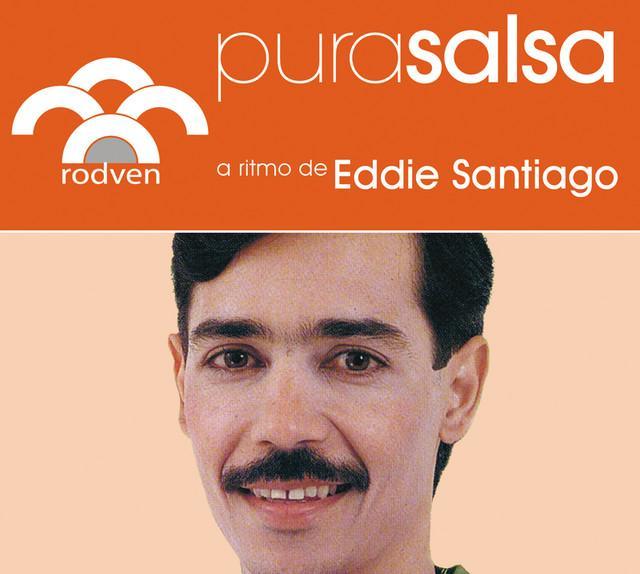
Me Fallaste by Eddie Santiago
In Eddie Santiago’s hands, heartbreak does not sound weak. It sounds decided.
"Me Fallaste" - Eddie Santiago
Provided by LyricFindNo, no sé como pude contenerme en todo este tiempo
No, no creas que cuenta no me daba de tu proceder
Yo anduve más allá del deseo why el actoLoading...Loading lyrics...
Unable to load lyrics
We're unable to display the lyrics at this time. Please try again later.
Where the Hurt Turns Into a Decision
The meaning of Me Fallaste Eddie Santiago is simple on the surface but sharp underneath: this is a breakup song about betrayal, self-protection, and the moment a person stops excusing bad love. The singer is not asking for answers. They have already judged the relationship and chosen to leave.
That matters because the lyric is not built around confusion. It is built around recognition. Early on, the narrator says they were not blind to the other person’s behavior. In other words, they held back for a long time, watched, and finally reached a limit.
Interpretation: the song is less about one act of cheating than about a pattern of emotional dishonesty. The repeated accusation me fallaste
is not only “you failed me.” It also carries the sense that a promise, a duty, and a form of trust were broken.

Watch the official Me Fallaste
music video
Eddie Santiago’s Place in Romantic Salsa
Eddie Santiago is one of the defining voices of Puerto Rican salsa romántica, the smoother and more emotional branch of salsa that grew strongly in the late 1980s. According to his artist profile, he became one of the key figures of that style, and “Me Fallaste” was among the songs that helped build that reputation.
The track also had chart presence. Billboard data listed in his chart history shows “Me Fallaste” reached the Hot Latin Songs chart, which helps explain why the song remained part of his classic run.
That context shapes the song’s meaning. Salsa romántica often softens the sound while intensifying the emotional message. So even when the arrangement feels elegant, the words can be direct, wounded, and proud.
A Speaker Who Has Finally Had Enough
The narrator speaks in first person to a former lover, but the emotional effect is public and dramatic. They are not quietly grieving. They are delivering a verdict.
Several short phrases show that turn. When the singer says sin mí a tu lado
, they make separation feel final. When they add no quiero perder
, they reveal the deeper motive: staying would cost even more dignity, peace, and feeling.
This is why the song hits hard. Betrayal is painful, but the lyric focuses just as much on boundaries. The singer refuses to keep investing in someone they believe cannot love well or live truthfully.
The emotional timeline in the lyric
- They admit they stayed quiet for too long.
- They show they understood the other person’s behavior.
- They reject physical comfort as a reason to remain.
- They end the bond and refuse late apologies.
- They claim a better future beyond this failed love.
That sequence gives the song its force. It moves from endurance to judgment to release.
Why the Chorus Feels So Ruthless
The chorus is repetitive, but that is exactly the point. Each return to me fallaste
sounds like another nail in the coffin of the relationship. The hook is memorable because it reduces a messy emotional history to one final conclusion.
There is also a moral edge to the refrain. Lines like tú no sabes querer
do more than say “you hurt me.” They argue that the other person does not know how to love at all. That makes the breakup feel not only emotional but ethical.
Interpretation: this may be why the song feels harsher than many romantic salsa hits. It does not merely mourn lost love. It judges the failed partner’s character as a lover.
Me fallaste, me fallaste
Tú no sabes ser fiel
Tú no sabes querer
That short passage captures the song’s core idea: betrayal becomes proof that love itself was false or incomplete.
Desire, Pride, and the Cost of Staying
One of the strongest parts of the song is the tension between pleasure and self-respect. The narrator openly admits the relationship had heat, comfort, and desire. They remember kisses, the body, and the warmth that once satisfied them.
But they still walk away.
That contrast gives the song maturity. Many breakup songs pretend leaving is easy once betrayal is exposed. “Me Fallaste” does not do that. It admits the relationship gave real pleasure. The point is that pleasure is no longer enough.
When the singer rejects that warmth, they are choosing dignity over appetite. That is a classic salsa romántica conflict: the body wants to stay, but pride insists on leaving.
How the Music Supports the Message
Even without quoting more lyrics, the production logic of salsa romántica helps explain the song. This style usually pairs polished brass, steady percussion, piano montuno, bass movement, and a danceable pulse with emotionally charged vocals. That contrast matters.
The rhythm keeps the song moving forward, which fits a lyric about finally moving on. Meanwhile, Santiago’s vocal style tends to sound smooth rather than explosive, making the message feel controlled instead of chaotic. He does not need to shout every feeling; the calm firmness can sound even colder.
Interpretation: that balance between sweet arrangement and bitter accusation is part of the song’s staying power. Listeners can dance to it, but they can also hear the sting inside it.
The Last Word on “Me Fallaste”
At its heart, the meaning of Me Fallaste Eddie Santiago is about reclaiming self-worth after betrayal. The singer recognizes that love without loyalty is empty, and that desire cannot repair broken trust.
What makes the song endure is its mix of pain and backbone. It hurts, but it does not beg. It remembers pleasure, but it chooses distance. In that way, “Me Fallaste” turns romantic disappointment into a statement of personal limits.
Disclaimer: This interpretation is based on the song’s lyrics, performance, and genre context. As with many love songs, listeners may hear slightly different shades of meaning.







