Why 'La dernière séance' Still Breaks Hearts
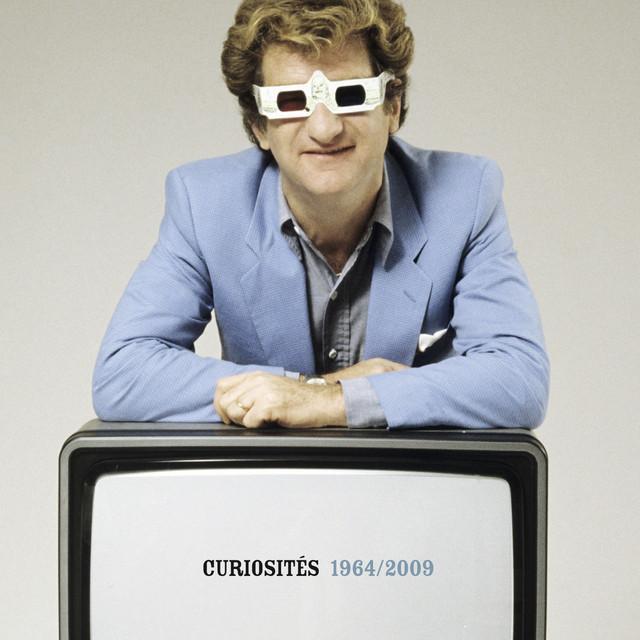
The meaning of La dernière séance Eddy Mitchell comes into focus fast: this is a goodbye song, but not only to a movie theater. It is also a farewell to childhood, neighborhood life, and the shared dream world of classic cinema. Eddy Mitchell, born Claude Moine, built much of his career around American rock, film culture, and nostalgia, which makes this song feel especially personal in his catalog.
"La dernière séance" - Eddy Mitchell
Et le film est terminé
Je réveille mon voisin
Loading lyrics...
Unable to load lyrics
We're unable to display the lyrics at this time. Please try again later.
Written by Claude Moine and Pierre Papadiamandis, the song became one of Mitchell's signature titles. Factually, those credits are widely listed in French discographies and artist references such as Discogs and SACEM-related catalog listings. The core image is simple: a final screening ends, the lights come up, and a local cinema closes for good.
A Farewell That Means More Than It Says
On the surface, the narrator leaves a theater after one last film. The room is tired, the audience is drifting away, and the curtain has fallen. The repeated idea of la dernière séance
tells listeners this is not just tonight's ending. It is the end of an era.
Interpretation: the theater stands for a whole emotional world. When the song says the film is over and the screen goes dark, it also suggests that a piece of the narrator's inner life is ending. The local cinema was never only a building. It was a place where memory, fantasy, and routine met.
That is why the song feels larger than its plot. It turns an ordinary public place into a container for private feeling.

Watch the official La dernière séance
music video
Childhood in the Back Row
One of the song's strongest moves is how it shifts from the closing theater to childhood memory. The narrator remembers school, being picked up by a parent, and stopping for a movie. That detail makes the song concrete. It is not abstract nostalgia; it is daily life remembered with great care.
The mention of Gary Cooper matters too. Referring to the old Hollywood star connects the song to moral clarity and old-fashioned heroism. Cooper often played upright men who defended the weak, so the memory of seeing him on screen suggests a child learning values through film.
The small pleasures matter just as much as the stars. The line about chocolats glacés
gives the memory texture. It is sweet, specific, and a little innocent. In a few words, the song captures how childhood memories often survive through tiny sensory details.
The Real Loss: A Neighborhood Disappears
The song does not stop at personal memory. It points to a larger social change: the death of the neighborhood cinema. The lyrics imagine the building becoming something practical and profitable instead, like a garage or supermarket. That image gives the song its sharpest edge.
This is where the meaning of La dernière séance Eddy Mitchell becomes cultural as well as emotional. The closing theater reflects modernization, urban redevelopment, and the loss of smaller communal spaces. A local cinema once gave a neighborhood a shared rhythm. When it disappears, people lose more than entertainment. They lose a meeting place.
Interpretation: the song quietly argues that modern life often replaces meaningful spaces with useful ones. The trade may make economic sense, but it leaves emotional damage behind.
How the Chorus Turns Nostalgia Into Grief
The chorus is built around farewells. Phrases like Bye bye les héros
and rendez-vous à jamais
sound almost casual at first, but that light tone makes the sadness stronger. Instead of dramatic language, the song uses simple goodbye phrases, as if the singer is trying to stay composed.
That restraint is powerful. It suggests someone who knows that no speech can stop time. The heroes, young lovers on screen, and snacks from intermission all belong to a world that cannot return.
C'était la dernièr' séquence
C'était la dernièr' séance
Those repeated lines act like a closing bell. They bring together the end of the movie, the closing of the theater, and the fading of youth.
Why the Sound Matters So Much
Mitchell's performance style is central to the song's impact. He does not oversing it. The vocal approach is steady, conversational, and slightly worn, which fits a narrator looking back rather than breaking down. That control helps the song avoid sentimentality.
The arrangement also supports the theme. Even without flashy production, the music leans into a classic, cinematic softness. The melody moves with a slow, reflective pace, giving the images room to land. This matters because the song is about remembering, and memory rarely arrives in a rush.
Pierre Papadiamandis, one of Mitchell's most important collaborators, was known for melodic writing that could carry both warmth and melancholy. That balance is all over this song. It sounds comforting even as it describes disappearance.
A Small Story With a Big Meaning
Another reason the song lasts is that it stays visual. The waking neighbor, the old man crying, the empty room, the lights coming up: each image is easy to see. The phrase la salle est vide
does more than set a scene. It turns emptiness into emotion.
Interpretation: the old man in the corner can be heard as more than one person. He may be the owner, a regular customer, or even a mirror of the narrator's future self. In each case, he represents someone left behind by cultural change.
In the end, the meaning of La dernière séance Eddy Mitchell is about how places hold identity. When those places vanish, people feel their own past become less reachable. The song remembers movies, but it mourns a way of living with others in the dark, sharing wonder.
That is why it still resonates. Anyone who has watched a beloved place disappear can hear themselves in its final curtain.
Disclaimer: This interpretation separates widely accepted facts, such as credits and artist context, from critical reading. As with any song, meaning can remain open to the listener's own experience.








