Why Piaf's "No Regrets" Still Hits Hard
The meaning of Non, je ne regrette rien Édith Piaf comes down to one bold idea: a person can face their whole past—good and bad—and still choose to move forward without apology. That is why the song feels larger than a breakup ballad or a simple anthem. It sounds like a life verdict.
"Non, je ne regrette rien" - Édith Piaf
Non, je ne regrette rien
Ni le bien qu'on m'a fait
Loading lyrics...
Unable to load lyrics
We're unable to display the lyrics at this time. Please try again later.
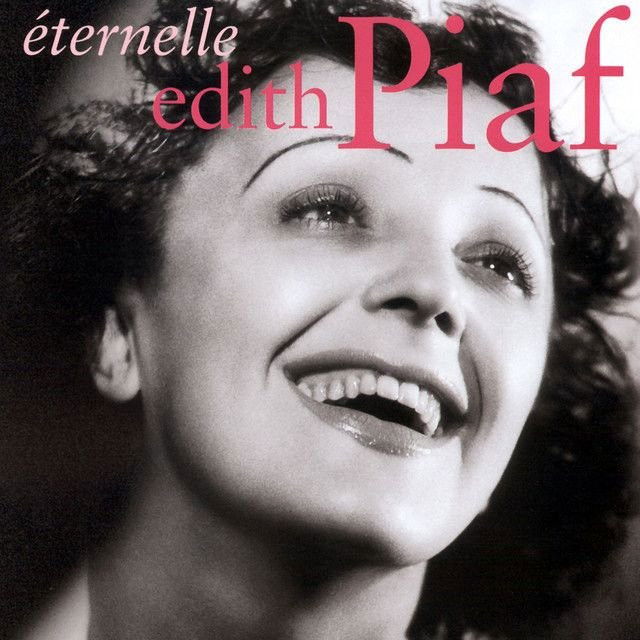
Recorded by Édith Piaf in 1960, the song was written by Charles Dumont and Michel Vaucaire. It quickly became one of Piaf's signature performances and remains central to her legacy in French popular music. Facts about its release and authorship are widely documented in reference sources such as Britannica and the Bibliothèque nationale de France.
A Defiant Song About Starting Over
At the most direct level, the singer rejects the burden of looking back. The repeated refusal in je ne regrette rien
is not casual. It is absolute.
They are not saying life was easy. In fact, the lyrics mention both kindness and harm, then flatten them into the same conclusion: neither will control the present anymore. That is what gives the song its steel. It treats memory as real, but no longer sacred.
Interpretation: This is less about forgetting than about refusing to be owned by what happened. The speaker sounds like someone who has counted the cost and chosen freedom anyway.

Watch the official Non, je ne regrette rien
music video
How the Verses Build the Message
The song works because each part sharpens the same emotional argument. First, the singer dismisses the weight of the past. Then they describe burning through old memories and clearing away old loves.
Short phrases like rien de rien
and balayé, oublié
make that emotional sweep feel physical, almost like cleaning out a room after years of clutter. The verbs matter. They suggest action, not passive healing.
There is also a striking image in the line about setting memories on fire. The idea is not tender reflection. It is purification. Old griefs and pleasures both become fuel, and once they burn, the speaker no longer needs them.
From Wounds to a New Beginning
The final turn is crucial to the meaning of Non, je ne regrette rien Édith Piaf. After all the rejection of the past, the song lands on connection. The closing idea is that life begins again with aujourd'hui
and with avec toi
.
That shift keeps the song from sounding empty or numb. The speaker is not erasing history just to stand alone in a void. They are clearing space for a new future, possibly rooted in love, trust, or devotion.
Interpretation: Some hear this as romantic renewal. Others hear it more broadly, as a pledge to life itself after suffering. Both readings fit the lyric movement from negation to rebirth.
Why Piaf's Voice Makes It Feel True
Piaf's performance is a huge part of why the song endures. They sing with a sharp, concentrated intensity that makes every sentence sound final. There is no wink, no softness around the edges.
That delivery mattered in 1960 because Piaf already carried a public image shaped by hardship, loss, illness, and survival. Biographical accounts from Britannica and the Rock & Roll Hall of Fame show why audiences heard the song as more than theater. It felt connected to a life they believed she had actually lived.
The Arrangement Turns Resolve Into Drama
Musically, the song is built like a statement to the world. Its orchestral backing rises with almost march-like force. Rather than drifting like a torch song, it advances.
That matters because the lyric is about resolve. The swelling arrangement and firm pacing give the refusal of regret a public, ceremonial power. It sounds less like private diary-writing and more like a verdict spoken from a stage.
C'est payé, balayé, oublié
The phrase sums up the song's emotional logic: the debt of the past is settled, swept away, and left behind.
The melody also helps. It climbs and opens, which makes the central declaration feel earned rather than flat. By the end, the song does not just describe strength. It performs it.
A Cultural Anthem of Resilience
Over time, the song became bigger than its original moment. It has been used in films, public ceremonies, and tributes because its message is instantly clear even to listeners who do not speak French. The title alone carries a world of feeling.
That broad appeal comes from its balance of specificity and openness. Everyone has a past. Not everyone can honestly say they regret nothing. The song gives voice to that impossible wish and makes it sound believable for three minutes.
The Lasting Meaning of "Non, je ne regrette rien"
In the end, the meaning of Non, je ne regrette rien Édith Piaf is not that pain never mattered. It is that pain, pleasure, and memory do not get the final word. The final word belongs to choice.
That is why the song still feels modern. It speaks to anyone trying to stop being defined by yesterday and start again without asking permission.
Disclaimer: This article offers a good-faith interpretation based on the lyrics, performance, and known historical context. Like all art, the song can support more than one meaning.








