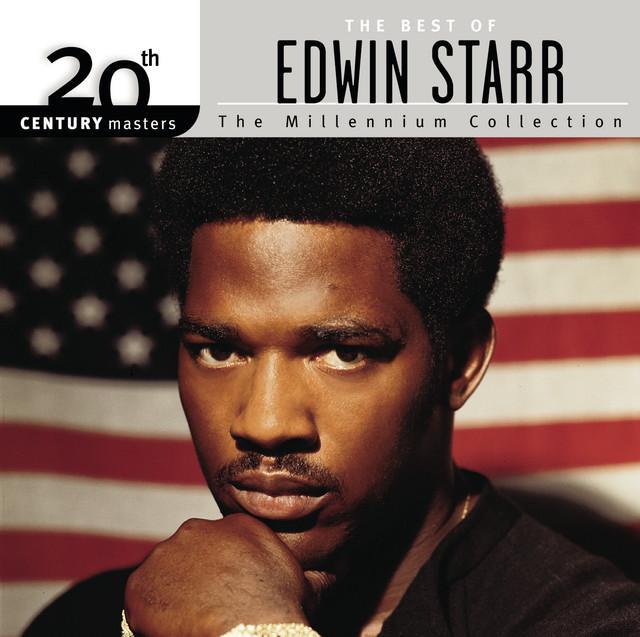
Why "War" by Edwin Starr Still Hits So Hard
The meaning of War Edwin Starr is direct, but that does not make it simple. The song is a loud, urgent protest against war and the damage it does to ordinary people. Instead of talking about strategy, patriotism, or victory, it focuses on grief, death, and the loss of young lives.
"War" - Edwin Starr
What is it good for?
Absolutely nothing, uhh
Loading lyrics...
Unable to load lyrics
We're unable to display the lyrics at this time. Please try again later.
Released in 1970, Edwin Starr's version turned a Motown song into one of the era's strongest anti-war statements. Written by Norman Whitfield and Barrett Strong, it became a No. 1 hit on the Billboard Hot 100 and remains one of Starr's signature recordings. Its timing mattered: the Vietnam War was still shaping American life, especially for young people facing the draft.
The Song's Core Message Is Blunt on Purpose
At the center of the song is a question and answer that almost everyone knows. The hook asks what war is good for, then answers with absolutely nothing
. Before and after that line, the verses explain why. War destroys families, leaves mothers grieving, and sends young men into violence that cannot give life back.
This is what gives the song its force. It does not hide behind metaphor. It says war means destruction of innocent lives
, and then keeps building on that point. The writing is simple enough to chant, but detailed enough to feel personal.
Interpretation: The plain language is part of the message. By refusing poetic distance, the song sounds like a public moral argument, not a private diary entry.
Watch the official War
music video
A Protest Song That Speaks for a Wider Crowd
Even though one voice leads the record, the song feels communal. Starr sings like a preacher, a street-corner speaker, and a man at the edge of outrage all at once. His interjections, shouts, and call-and-response delivery make it sound like a crowd could join at any second.
That matters because the song is not just about one person's pain. It points to a social wound. When the lyric mentions the younger generation
, it expands the topic from battlefield death to a whole culture shaped by fear, induction, and loss.
War, huh, yeah
What is it good for?
Absolutely nothing
Those lines are famous because they work like a slogan, but they also work like a challenge. The song keeps daring the listener to defend war after hearing what it does.
How the Verses Build the Meaning of War Edwin Starr
The verses move through a clear chain of effects:
- War kills innocent people.
- It leaves families, especially mothers, in pain.
- It harms survivors physically and emotionally.
- It poisons the future for the young.
That progression gives the song structure. It starts with death, then turns to heartbreak, disability, bitterness, and social unrest. One key phrase calls war a heart-breaker
, which turns a huge political subject into a human one. Another says war is the undertaker's friend, meaning death is its true partner.
The song also rejects the common argument that war protects freedom. Near the end, it admits people claim fighting is necessary, then answers that there must be a better way. That is important. The song is not naive about conflict. It is arguing that violence should not be accepted as the first or best answer.
Motown Energy, But Sharper and Angrier
Part of what makes the record unforgettable is how its sound carries its message. Norman Whitfield's production uses the tight rhythm and punch of Motown, but pushes it into harder, more aggressive territory. The drums hit with a march-like insistence. The horns stab rather than soothe. The bass keeps the track moving forward like a warning siren.
Starr's vocal is the real engine. He does not sing this song softly or sadly. He attacks it. His rough, explosive delivery makes the protest feel urgent, almost physical. They can hear strain, grit, and disbelief in the performance, which helps explain why the song still feels alive.
Interpretation: The production turns moral anger into motion. A slower version might have sounded mournful. This one sounds like resistance.
Artist Context Makes the Song Even Stronger
"War" was first recorded by the Temptations on their 1970 album Psychedelic Shack, but Motown chose Edwin Starr for the single version, in part because his powerful style fit the song and because releasing it by the Temptations carried group-image concerns. Starr's version was issued as a stand-alone single and became the definitive recording.
That history matters for meaning. The song was not only well written; it needed a singer who could deliver confrontation without apology. Starr gave it that edge. His performance made the song feel less like commentary and more like a demand.
Its reception also shaped its legacy. In the United States, listeners heard it during a period of anti-war protest, generational tension, and distrust of official answers. The song gave popular music a slogan that was easy to remember but hard to dismiss.
Why It Still Connects Today
The meaning of War Edwin Starr lasts because the song never depends on one news cycle. Its argument is timeless: war is often discussed in abstract language, but regular people pay the price. The lyric pushes listeners to see the human cost first.
It also endures because it balances clarity with passion. There is nothing vague about its point, yet it never feels cold. Phrases like peace, love and understanding
show what the song wants instead of violence: a social order based on care, not sacrifice.
For many listeners, that is why "War" remains more than a protest classic. It is a reminder that pop music can be catchy, political, and emotionally direct at the same time.
Final Take on Its Lasting Power
In the end, "War" is about stripping away excuses. It asks a public question, answers it with total force, and then lists the damage left behind. That is why the song still lands more than fifty years later.
Interpretation: Different listeners may connect it to Vietnam, later conflicts, or broader cycles of violence. But its central claim stays the same: war takes more than it gives.
Disclaimer: This article offers a good-faith interpretation of the song based on its lyrics, historical context, and recorded performance. Meaning can vary from listener to listener.







