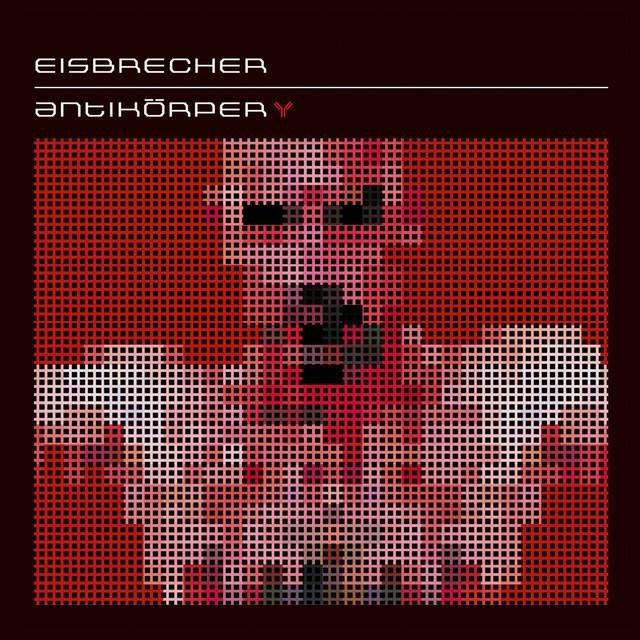
Vergissmeinnicht by Eisbrecher
The meaning of Vergissmeinnicht Eisbrecher centers on a painful farewell that feels bigger than an ordinary breakup. In this song, they present love at the exact moment it collides with fate, memory, and release. The title itself points to that tension: Vergissmeinnicht means “forget-me-not,” a word tied both to remembrance and to the flower associated with lasting devotion.
"Vergissmeinnicht" - Eisbrecher
Am abgrund
Die Nacht verhüllt
Loading lyrics...
Unable to load lyrics
We're unable to display the lyrics at this time. Please try again later.
Eisbrecher are widely known as a German Neue Deutsche Härte and industrial rock act, built around the voice of Alexander Wesselsky and a heavy, mechanical sound that often mixes power with emotional drama. That broader context matters here, because the song does not treat sadness softly. It gives grief a steel frame.
A Farewell Sung From the Brink
At its core, the song describes someone standing beside a final separation. The opening images place a heart near an abyss and a last word hidden by night. Even before the chorus, the listener is inside a scene of crisis.
The key emotional conflict arrives when the speaker says they must let go in order to be free. That idea is painful because the release is not calm or clean. Desire and attachment keep pulling them back. When they repeat Ich lass dich los
, they are not celebrating freedom. They are forcing it.
Interpretation: This is why the song feels so tragic. They frame letting go as necessary, but not truly wanted.

Watch the official Vergissmeinnicht
music video
The Chorus Turns Memory Into a Last Gift
The emotional center of the song is the refrain around vergissmeinnicht
. In plain terms, the speaker seems to ask not to be forgotten while offering one final act of care. The image of ein letztes licht
suggests a farewell light, as if they want to leave warmth behind even while darkness closes in.
That makes the chorus more than a plea for remembrance. It becomes a ritual. They are saying goodbye, asking forgiveness, and trying to preserve a bond that fate is destroying.
verzeih mir
bleib bei mir
vergissmeinnicht
Those brief phrases summarize the entire emotional knot: guilt, longing, and the need to be remembered.
Story Clues Point to Death, But Not Only Death
One strong reading is literal loss. The lyrics describe a body lying before the speaker, a final word, and the sense that something has been completed. Phrases like Es ist vollbracht
carry the weight of an ending that cannot be undone.
Under that reading, the song becomes a vigil at the edge of death. The speaker watches someone pass, begs them to stay, then accepts that fate has already decided the outcome.
But there is another possible reading.
A Relationship Funeral
Interpretation: The song also works as a breakup song written in the language of death. Many rock songs use grave imagery to show the end of love, and this lyric fits that pattern. The speaker tears themselves away “with last strength,” asks forgiveness, and admits that shared destiny has caught up with them.
That means the person in front of them may not be physically dying. Instead, the relationship is what has died. The language is so absolute that the end feels like mourning a person, not just a romance.
Symbols That Deepen the Meaning
Several repeating images help explain the meaning of Vergissmeinnicht Eisbrecher:
- The abyss: emotional collapse, fear, and the nearness of irreversible change.
- Night: confusion, grief, and hidden truth.
- Light: a final blessing, memory, or act of love.
- The flower/title: remembrance, loyalty, and fragile beauty.
- Fate: an outside force that overpowers human desire.
These symbols keep the song from feeling purely personal. They turn one goodbye into something almost mythic.
Why the Sound Feels So Heavy
Even without diving into full production credits, the band’s signature approach matters. Eisbrecher often combine hard guitars, programmed textures, and a stern rhythmic pulse associated with industrial rock and Neue Deutsche Härte. That style is documented across band profiles and genre coverage from sources such as AllMusic and the band’s official site.
In a song like this, that sonic weight supports the theme. The likely effect is not fragile mourning but monumental mourning. The beat can feel like fate marching forward. The guitars create pressure. The vocal delivery gives the words an almost ceremonial force.
Instead of sounding like private tears, the grief sounds public and unavoidable.
The Most Important Emotional Turn
Late in the song, the lyric suggests that this time the separation will last forever, yet the wound will heal. That is a crucial shift. Earlier, the speaker is trapped in immediate pain. Later, they admit survival is possible.
This does not cancel the sadness. It adds maturity to it. They can imagine healing without denying love.
That is why the refrain keeps landing so strongly. Vergissmeinnicht
is not only a request. It is a bridge between two truths: something must end, and something must remain.
Why the Song Stays With Listeners
What makes the song memorable is its balance of drama and clarity. The words are poetic, but the feeling is easy to understand. Almost anyone who has lost a person, a relationship, or a version of themselves can recognize the push and pull inside it.
For U.S. listeners new to German rock, this track also shows how Eisbrecher turn emotional conflict into something physical. The body of the song—its pressure, repetition, and dark atmosphere—carries the meaning as much as the text does.
Final Reading: Love After the Last Moment
The best way to understand the meaning of Vergissmeinnicht Eisbrecher is as a song about the impossible task of saying goodbye while still loving deeply. Whether listeners hear death, breakup, or both, the message stays similar: memory becomes the final form of devotion.
That is the song’s real power. They cannot stop fate, but they can still offer light, ask forgiveness, and leave behind a name that means: do not forget.
Disclaimer: This interpretation is based on the lyrics, the song’s imagery, and Eisbrecher’s artistic style. As with many poetic songs, different listeners may hear different meanings.








