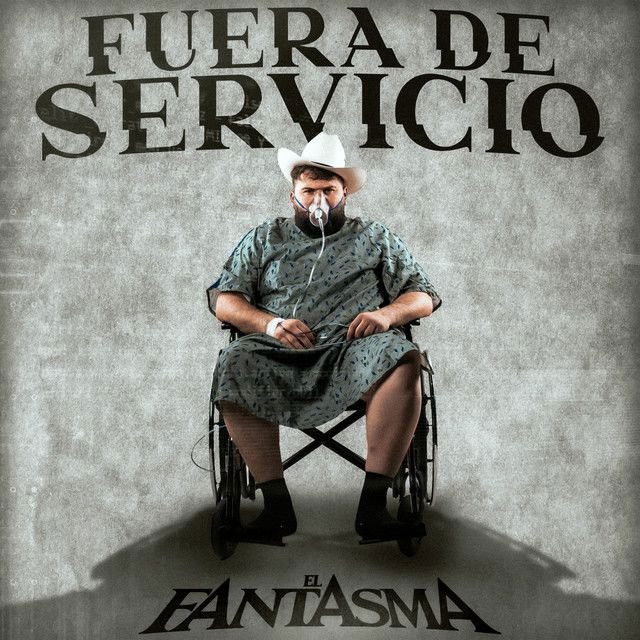
Fuera De Servicio by El Fantasma
They come for favors, disappear for struggle, and return for the shine—that’s the tension El Fantasma locks into on “Fuera De Servicio.” The track turns a simple phrase into a stinging verdict about loyalty. For listeners asking about the meaning of Fuera De Servicio El Fantasma, it’s a clear-eyed corrido about who stays and who vanishes when times get tight.
"Fuera De Servicio" - El Fantasma
Por si están con el pendiente
Mis amigos y parientes
Loading lyrics...
Unable to load lyrics
We're unable to display the lyrics at this time. Please try again later.
The Quiet Burn Beneath the Bravado
At first, the narrator reassures everyone with Estoy bien
. But that calm greeting sets up a contrast. He remembers hardship—summed up in the single-word gut punch Batallé
—and tallies how people acted when he needed them.
Interpretation: the song isn’t a revenge fantasy. It’s closer to inventory—counting who was real. The repeated check‑in, Por si están con el pendiente
, sounds polite, but the subtext is sharp: if they were worried, they didn’t show it then. Now that he’s back on his feet, he sees the pattern clearly.

Watch the official Fuera De Servicio
music video
Who’s Speaking—and Who’s Being Addressed
The voice is first‑person and conversational. He speaks to “friends and relatives,” the ones who once asked him for help. When cash flowed, they answered calls and showed up. When it didn’t, their phones might as well have been dead.
The title delivers the punchline. After he notes that Regresó mi buena suerte
, he points out how quick people are to reappear. He even jokes about paying for someone’s vices to get their attention. Interpretation: the song shows how generosity can be exploited until the giver goes broke. Then, suddenly, every contact is “unavailable.”
Lo raro es cuando pobre Puro fuera de servicio
Those two lines seal the theme. The phrase “out of service” lands like a busy signal—no calls returned, no favors back, no loyalty when it mattered.
What Actually Happens: A Simple Timeline
- He opens with reassurance and a roll call of “friends and relatives.”
- He recalls lending money and offering help when others “needed a hand.”
- In the lean days, he gets silence—effectively “out of service.”
- Luck turns; success returns, and so do the same people.
- He keeps his composure, but he takes note. The memory of absence changes how he reads every new hello.
Notice how the courteous phrases double as shade. Se pusieron a la orden
suggests they were “at his service” only when there was something in it for them. Interpretation: the song treats manners as a mask that slips when the money runs out.
Symbols, Irony, and the Title’s Sting
“Fuera de servicio” works like a literal error message from a phone or a storefront sign. Applied to people, it becomes a bitter joke. The irony is hard to miss: those who were “too busy” to repay debts suddenly have free time once he’s doing well.
The repetition of check‑ins—Are you worried? Are you there?—creates a mirror test. He isn’t begging for friendship; he’s exposing patterns. The politeness of the language sweetens the tone, but the facts don’t change. Interpretation: the song argues that crisis sorts a circle faster than any party ever could.
How the Sound Carries the Message
Musically, “Fuera De Servicio” leans on a sierreño/banda palette: bright acoustic guitars, a grounding tuba line, and a steady snare that feels like a measured march. The midtempo pace keeps the vocal front and center, letting the story land without rushing. El Fantasma’s gritty timbre adds weight; even when he sounds relaxed, every aside carries a warning.
That blend suits the theme. Regional Mexican arrangements often balance toughness with tenderness; here, the warmth of strings and tuba offsets the cool detachment of the lyrics. The result is a song that feels friendly at the surface but firm at the core—no shouting needed.
Writers Behind the Cut
The song is credited to Jesús Antonio Inzunza Montoya and Luciano Luna Díaz. Both are known for clean, story‑driven writing in regional Mexican music. Their fingerprints are in the detail: everyday phrases that double as verdicts, and a refrain that says it all without moralizing.
Alternate Readings Worth Considering
- Interpretation: A social lens. The track can read as a comment on economic mobility—how scarcity reveals the true size of one’s circle, while prosperity inflates it with strangers and opportunists.
- Interpretation: A personal ledger. It may be a pointed message to a specific group who leaned on the narrator during his upswing but ghosted him in crisis. The courteous tone suggests he doesn’t need payback; remembering is enough.
Final Word: What Listeners Take Away
For U.S. listeners navigating family ties and financial pressure, the meaning of Fuera De Servicio El Fantasma lands fast: success doesn’t fix loyalty; it only tests it again. The song’s calm voice, sharp memory, and memorable title make it an everyday anthem for setting boundaries.
Disclaimer: This interpretation is based on the lyrics, public context, and common themes in regional Mexican music; individual listeners may hear it differently.








