3 AM’s Hangover: Eladio Carrión & Brytiago Explained
When the party winds down, “3 AM” begins. Eladio Carrión and Brytiago sketch the blur between lust and heartbreak, where pride hides pain and the phone won’t light up. This guide breaks down the meaning of 3 Am Eladio Carrion, Brytiago for U.S. listeners who want both the vibe and the message.
"3 Am" - Eladio Carrion, Brytiago
Y yo ni sé cómo tú te llama'
No quiero amor
Loading lyrics...
Unable to load lyrics
We're unable to display the lyrics at this time. Please try again later.
Midnight denial, morning truth
At its core, the song is about trying—and failing—to escape a breakup. The narrator repeats that it’s son las tres de la mañana
, framing everything in a sleepless hour that amplifies longing. They insist no quiero amor
, choosing short-term relief over commitment, and beg for solo dame calor
like warmth could cauterize the wound.
Interpretation: the hook is emotional self-defense. By downgrading love to comfort, they can keep their guard up. Yet the obsession breaks through anyway, captured in the line no puedo superarte
. Even as they seek company, the ex is the only person in their head.
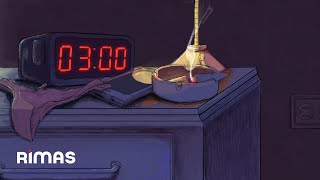
Watch the official 3 Am
music video
Who’s talking, and why it matters
The voice is first-person, speaking to a specific ex and to themself. They keep dialing—coge la llamada
—and narrate the humiliation of being ignored. That direct address gives the song its urgency. It sounds like a voice note at closing time that turned into a record.
Brytiago’s melodic sweetness makes the pleas feel intimate, while Eladio’s cooler delivery adds bite. Together, they balance confession and bravado, the two moods that define late-night texts everyone regrets by sunrise.
The night in five beats
- 3 AM: Insomnia and impulse collide. The phone glows, but there’s no reply.
- Escape plan: Clubs, smoke, and a stranger stand in for healing.
- Flashback: The ex feels singular—
baby, tú ere’ aparte
—and memory ruins distraction. - Pride: On the street, they’d act like strangers, pretending nothing happened.
- Relapse: After this “other,” they’ll still call the ex, knowing there’s silence on the other end.
Estuve to’a la noche con alguien que yo no conozco
This tiny couplet captures the album’s thesis in miniature: proximity without connection won’t fix a broken attachment.
The hook’s double edge
The chorus pairs rejection of love with a need for touch. Interpretation: it’s not hypocrisy; it’s triage. When their ex won’t pick up, tenderness becomes a stand-in for closure. Saying no quiero amor
tries to lower the stakes, but the feeling keeps leaking back in through details and repetition.
Symbols you can hear in the dark
- Time (3 AM): The hour is a cliché for a reason. It signals impulsive choices, unfiltered truths, and loneliness that daytime routines can’t muffle.
- The phone: A character of its own—hope, then rejection. Missed calls mirror missed chances.
- The street: “If we meet, we’ll pretend.” Public space becomes a stage for pride after private intimacy.
- Heat:
solo dame calor
stands for physical comfort. It’s a temporary anesthetic, not a cure.
How the sound sells the feeling
Production leans into late-night ambience: moody, minor-key synths, a swaying reggaeton/trap groove, and airy vocal effects. The beat doesn’t rush; it lets confessions sit. Melodic ad-libs echo like thoughts bouncing in a quiet room, while percussive snaps keep the body moving even as the mind spirals.
Carrión often favors unhurried flows and deadpan cool, which here read as wounded restraint. Brytiago’s lighter timbre lifts the topline, sweetening the plea so it lands as vulnerable rather than manipulative. Together, they make the dancefloor feel like a diary.
Pride vs. pain: two ways to read it
- Interpretation 1: Ego armor. The narrator would rather act detached than admit they’re shattered. The cold street-encounter image is a flex masking fear.
- Interpretation 2: Self-awareness in progress. They know the rebound won’t work. Admitting
no puedo superarte
is step one, even if they stumble back into old patterns.
Both reads fit because the lyrics hold tension without resolving it. That’s why the phone never clicks through—the song stays suspended in the moment before change.
Takeaway you can feel
“3 AM” is the sound of choosing comfort over closure, then hating the choice. It’s catchy because it’s honest about a common loop: try to move on, fail, then try again at dawn. If you’ve ever typed, deleted, and typed again, you already know this story.
Disclaimer: Song interpretations are subjective. This analysis reflects one informed reading of the lyrics and performance; the artists have not provided an official explanation here.








