What "Hold On Tight" Really Means
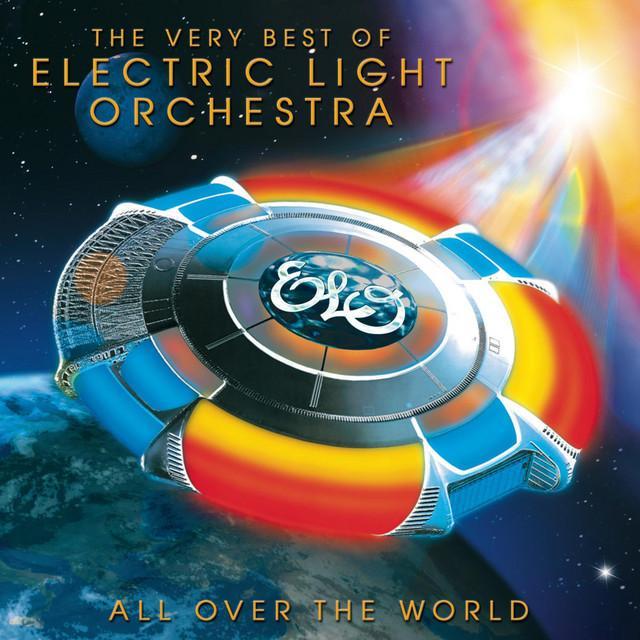
The meaning of Hold On Tight Electric Light Orchestra is simple on the surface and powerful underneath: keep going when life starts to fall apart. Electric Light Orchestra built the song like a pep talk, but not a shallow one. It speaks to heartbreak, bad luck, exhaustion, and the fear that a dream may be slipping away.
"Hold On Tight" - Electric Light Orchestra
Hold on tight to your dream
When you see your ship go sailing
Loading lyrics...
Unable to load lyrics
We're unable to display the lyrics at this time. Please try again later.
Released as the lead single from Time in 1981, the track was written and produced by Jeff Lynne and recorded at Musicland Studios in Munich. It runs just over three minutes and arrived during a period when the group was often billed more simply as ELO, with the old full-orchestra identity pushed into the background as their sound changed toward tighter pop-rock and synth textures. Those facts are widely documented in reference sources covering the single and album history.
A Chorus Built Like a Lifeline
The heart of the song is its repeated message: hold on tight
to a dream. Before and after that phrase, the verses describe moments when people feel abandoned, worn down, or emotionally crushed. The point is not that suffering disappears. The point is that a person should not let pain decide their future.
That directness is why the song lasts. It does not hide behind abstract poetry. It names common struggles: seeing chances pass by, feeling broken, and getting tired of trying. When the song mentions a ship go sailing
, it suggests opportunity moving away. When it points to a heart is breaking
, it turns the song from general motivation into something deeply personal.
Interpretation: They can read the chorus as a defense of hope itself. Not blind optimism, but stubborn endurance.
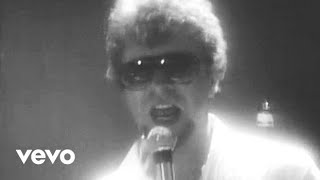
Watch the official Hold On Tight
music video
The Story Inside the Lines
Even though the lyrics are broad enough to fit almost anyone, they move in a clear emotional sequence:
- A dream exists.
- Trouble arrives.
- Doubt grows stronger.
- The song answers with repetition and resolve.
That structure matters. The verses do not deny despair. They stack it up first. Lines about being down, unlucky, and misunderstood make the encouragement feel earned rather than cheesy.
One especially effective detail is how the song keeps returning to low points like all out of luck
. That phrase captures a specific kind of defeat: not just sadness, but the feeling that effort is no longer working. The chorus answers that feeling with rhythm and insistence, almost as if it is trying to outshout despair.
Why the French Verse Matters
One of the song's most memorable twists is the French section, beginning with Accroche-toi à ton rêve
. It repeats the same basic message in another language, which gives the song a burst of color and theatrical flair.
Quand tu vois ton bateau partir
Quand tu sens ton cœur se briser
Paraphrased, that section again describes watching opportunity leave and feeling emotional pain, then answers with the same command to keep faith. It does not change the song's meaning. It reinforces it.
Interpretation: They might hear this as ELO making the message feel universal. Hope is not limited to one place, one voice, or one language.
How the Sound Carries the Message
The production is a big part of why the song feels so uplifting. Critics at the time heard it as a salute to 1950s rock and roll, especially because of the driving piano style associated with artists like Jerry Lee Lewis. That influence gives the track momentum. Instead of sounding reflective or fragile, it sounds like motion.
Jeff Lynne's arrangement mixes that old-school energy with ELO's polished pop craft. The pounding piano, stacked harmonies, and bright beat make the song feel physically forward-moving. That matters because the lyric is about endurance. The music does not sit still; it pushes.
This is also where the song fits neatly into Time. That album often blends futuristic textures with human emotion. "Hold On Tight" stands out because it strips the message down into something immediate and almost classic. In a concept record full of time travel ideas, this track sounds grounded. It is less about technology than inner survival.
A Hopeful Song With a Shadow Behind It
Part of what makes the meaning of Hold On Tight Electric Light Orchestra interesting is the tension between sound and subject. The music is joyous, but the situations in the lyrics are not. The song keeps mentioning collapse, confusion, and emotional isolation.
That contrast gives it depth. If the music were gloomy too, it might feel defeated. If the lyrics were only cheerful, it might feel lightweight. Together, they create a convincing message: yes, life hurts, but movement is still possible.
Listeners who place the song inside the Time storyline often hear it as a turning point. In that reading, the dream is not just any goal. It may be a renewed sense of home, self, or emotional truth after disorientation. That reading is interpretive, but it fits the album's arc and helps explain why the song feels so urgent.
Why It Connected So Widely
The song became a major international hit, reaching the Top 10 in both the UK and the US and climbing even higher in several other countries. That broad success makes sense. Its message is specific enough to feel real, but open enough for almost anyone to claim.
It also helped that the song was catchy without being complicated. In just over three minutes, ELO delivered a hook people could remember and a message people could use.
The Takeaway That Still Lands
In the end, "Hold On Tight" is about protecting hope when the evidence seems to argue against it. It tells listeners that disappointment is real, but surrender is still a choice.
That is why the song still works. It turns perseverance into something singable, immediate, and human.
Disclaimer: This interpretation is based on the lyrics, recording context, and documented facts about the song, but meaning in music can remain personal and open to different readings.








