
Turn to Stone by Electric Light Orchestra
Why This ELO Hit Still Feels So Human
The meaning of Turn to Stone Electric Light Orchestra starts with a simple but strong idea: losing someone can make a person feel frozen in place. Jeff Lynne turns that feeling into a pop-rock epic, where loneliness does not just hurt emotionally. It changes how the whole world looks and sounds.
"Turn to Stone" - Electric Light Orchestra
(The lights don't shine no more)
And so the songs are way down low
Loading lyrics...
Unable to load lyrics
We're unable to display the lyrics at this time. Please try again later.
Released in 1977 as the opening track and first single from Out of the Blue, the song reached No. 13 in the U.S. and helped announce one of ELO’s biggest creative peaks. That context matters. ELO did not present sadness as small or private here. They made it huge, bright, and impossible to ignore.
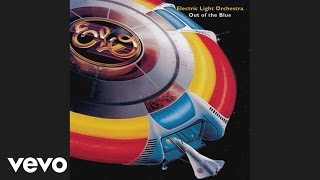
Watch the official Turn to Stone
music video
The Heart of the Song: Love as Emotional Paralysis
On the surface, this is a song about missing a lover who is gone. But Lynne does more than say the narrator is sad. He gives that sadness a body. When the chorus repeats I turn to stone
, it suggests numbness, helplessness, and the inability to move forward.
That image is the song’s key metaphor. The narrator is still alive, still thinking, and still hoping. Yet emotionally, they feel stiffened by absence. In plain terms, the song describes what happens when grief makes daily life feel locked in place.
Interpretation: The “stone” image can also suggest self-protection. If pain keeps coming, a person may harden just to survive it.
A Blue World of Empty Streets
The verses widen that personal pain into a full setting. The song opens with city streets are empty now
, and the quiet city mirrors the narrator’s inner state. This is not only about one missing person. It is about how separation can drain color, sound, and meaning from everything nearby.
Lynne keeps returning to images of fading light, low songs, shadows, and night turning toward morning. The phrase my blue world
ties those images together. “Blue” clearly signals sadness, but it also gives the song a cool, dreamlike atmosphere.
The lights don't shine no more
And so the songs are way down low
That short passage shows how outer details reflect inner loss. The world has not literally stopped, but to the narrator it feels dimmed and muffled.
How the Chorus Changes the Story
The chorus is catchy enough to sound almost triumphant, but its message is desperate. After the detailed scene-setting in the verses, the hook strips everything down to one feeling: when you are gone
, the self loses motion and purpose.
That is why the repeated question about coming home matters. It is not just romantic pleading. It shows that the narrator’s identity has become tied to reunion. Without it, they say they can't go on
. The chorus turns longing into a state of suspension.
Interpretation: Some listeners hear this as exaggerated pop drama, but the emotional logic is believable. Heartbreak often feels repetitive, and the chorus uses repetition to trap the listener inside that cycle.
Sound, Production, and the Push-Pull of Motion
One reason the song remains so memorable is the contrast between lyric and sound. According to American Songwriter, Lynne wrote it during the burst of creativity that produced most of Out of the Blue after an early patch of writer’s block in Switzerland. He later described the track as “primary and simple, but yet very evocative,” praising its shuffle beat.
That beat is important. The song moves. The strings swirl, the harmonies answer Lynne’s lead, and the arrangement flirts lightly with disco while staying rooted in rock. Even the Moog bassline, played by Lynne, gives the track a mechanical pulse.
This creates a smart tension: the music rushes forward while the narrator feels stuck. ELO often built songs that sounded futuristic and emotional at the same time, and “Turn to Stone” is a strong example. The production makes loneliness feel cinematic, not quiet.
The Clever Middle Section
Lynne once told Rolling Stone that the fast, odd middle part was added because he liked putting in “something daft” if a song seemed in danger of going on too long. That playful move matters because it briefly breaks the spell without breaking the theme.
Instead of reducing the sadness, it shows a mind racing inside isolation. The narrator is frozen emotionally, but thoughts still dart around.
Artist Context Helps Explain the Scale
ELO was coming off major success before Out of the Blue, but this album pushed their ambition even further. “Turn to Stone” had the job of opening a double album and proving the band could still sound fresh. It succeeded because it blends private feeling with giant pop design.
That is a big part of the meaning of Turn to Stone Electric Light Orchestra. It is not only a sad song. It is a song about sadness made spectacular. The narrator feels alone, but the arrangement makes that loneliness sound massive enough to fill an arena.
Final Take: A Pop Song About Feeling Unmovable
“Turn to Stone” endures because it captures a common feeling with unusual force. It describes the emotional numbness that comes when love disappears, then wraps that idea in one of ELO’s most propulsive recordings.
Interpretation: The song can be heard as heartbreak, depression, or emotional self-defense. What is factual is simpler: Jeff Lynne wrote a song where absence turns the world cold, repetitive, and still.
That mix of pain, motion, and melody is why the track still lands.
Disclaimer: This interpretation is based on the lyrics, recording context, and documented comments from Jeff Lynne and critics. Like all song analysis, some meaning remains open to listener interpretation.









