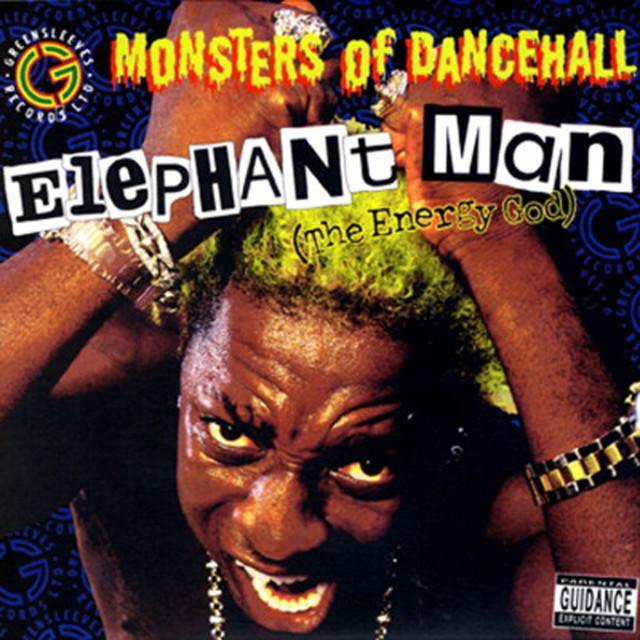
Why "Krazy" by Elephant Man Feels So Chaotic
Elephant Man’s “Krazy” sounds playful on first listen, but the meaning of Krazy Elephant Man goes beyond a party chant. The song uses one repeated word to describe romance, street pressure, politics, violence, fame, and global unrest. Instead of telling one neat story, they pile up examples of a world that feels unstable and overheated.
"Krazy" - Elephant Man
Done!!! It's a krazy time a just krazy signs krazy rhyme
It's gettin, it's gettin, it's gettin krazy
Loading lyrics...
Unable to load lyrics
We're unable to display the lyrics at this time. Please try again later.
That scattershot style is the point. “Krazy” turns confusion into structure. Every verse adds a new kind of disorder, and the hook keeps bringing the listener back to the same conclusion: things are spiraling.
The Core Idea Behind the Madness
At its heart, the song is about overload. Elephant Man moves from flirtation to crime, from neighborhood loyalty to world leaders, all under the same label: it's gettin krazy
. They are not using the word in just one sense. Sometimes it means exciting, sometimes dangerous, sometimes absurd, and sometimes morally broken.
That range matters. In dancehall, exaggeration is often part of the performance, but here the repetition also works like social diagnosis. The singer sees wild behavior everywhere, so the song becomes a running report from a culture under pressure.
Interpretation: the track suggests that “crazy” is no longer an exception. It has become the normal condition of public and private life.

Watch the official Krazy
music video
How the Verses Build a Bigger Picture
Romance, sex, and ego in the opening stretch
The first verse starts with women, desire, and boasting. Elephant Man describes himself as irresistible and surrounded by intense attention. Phrases like drive mi krazy
make attraction sound thrilling, but also unstable. Love here is not calm or tender. It is impulsive, physical, and competitive.
Even in these lighter bars, the song hints that excess is the rule. Everybody is reacting too strongly. Everybody is performing. That sets up the wider theme: personal drama mirrors social drama.
Social pressure and distrust
The same verse then shifts into frustration with leadership and public life. The song points at voting, economic struggle, and people feeling misled. When Elephant Man says someone must be krazy
, the line is less a joke than a challenge. They are calling out bad decisions and the systems behind them.
There is also a clear local angle. References to places in Kingston give the song street grounding rather than abstract complaint. Their voice is not floating above events; it comes from inside a specific Jamaican reality.
Global conflict enters the song
In the second verse, the scale gets bigger. Elephant Man jumps from local hardship to women chasing money, then to war and world politics. The mention of George Bush and Saddam places the song in the early-2000s moment shaped by the Iraq War. That context makes “Krazy” feel like more than dancefloor noise; it is reacting to a tense era recognized far beyond Jamaica.
One short section captures the sweep of the song:
George Bush him a krazy man
wid a krazy plan
Those lines reduce global power to the same logic used for everyday foolishness. That is sharp and intentional. The track says the madness at the top of the world looks a lot like the madness on the ground.
Why the Chorus Hits So Hard
The chorus is simple, but that simplicity is what gives it force. By repeating it's gettin krazy
again and again, the song turns one phrase into a verdict. The hook does not explain the chaos; it makes listeners feel the endlessness of it.
This is a classic dancehall move. A sticky refrain invites crowd response, while the verses carry sharper detail. Elephant Man, a major Jamaican dancehall star known for explosive live energy, built a career on chants and high-impact delivery, as seen in his profile at Britannica. In “Krazy,” that crowd-ready style is used for a song with more social bite than its surface suggests.
Sound, Rhythm, and Delivery
Production is central to the meaning of Krazy Elephant Man. The beat pushes hard, leaving little room to breathe. That gives the record a pressured feel, matching the lyrics’ sense that events are piling up too fast.
Elephant Man’s vocal approach matters just as much. They do not sound reflective or distant. They sound animated, urgent, and half-amused by the madness they describe. That mix of humor and alarm is key to the song’s tone.
The writing credits provided for the song include Clifton Bailey, Paul Henton, V. Carney, Finian Greenall, and Vasco Carney. Those credits point to a collaborative process, which is common in dancehall, where rhythm, performance, and adaptation often work together. For general artist context and discography, AllMusic offers a useful overview.
Two Strong Ways to Read the Song
Interpretation 1: A party song with news headlines inside it
One reading is that “Krazy” is built to energize a crowd first. The repeated word is catchy, funny, and flexible. Listeners can dance to it without following every reference.
But the verses keep interrupting that fun with uglier details: bodies, drugs, corruption, war. Under this reading, Elephant Man sneaks social commentary into an anthem.
Interpretation 2: A snapshot of early-2000s anxiety
Another reading is that the song captures a historical mood. Local violence, distrust of politicians, migration pressure, and global conflict all appear in quick bursts. The song feels less like a single message than a collage of what life sounded like when everything seemed unstable.
That may be why the track still lands. Its core idea is broad: when every system feels stressed, even entertainment starts sounding like a warning.
Final Take on "Krazy"
The meaning of Krazy Elephant Man is not hidden in one metaphor or one storyline. It comes from accumulation. Desire is crazy, politics are crazy, violence is crazy, and the whole atmosphere is getting hotter.
That makes the song memorable. It is loud and funny on the surface, but underneath, it maps a world where disorder has become ordinary.
Disclaimer: This article offers informed interpretation based on the lyrics, artist context, and historical setting. Meanings can vary from listener to listener.








