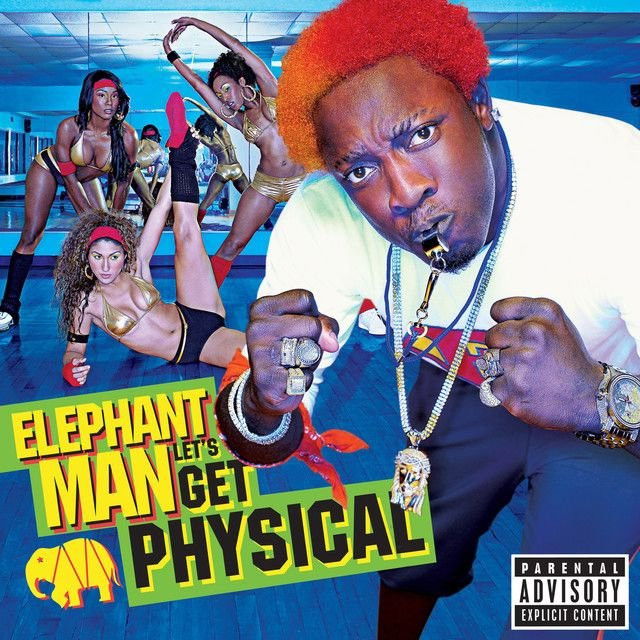
Why “Signal De Plane” Feels Like a Dancehall Reset
The meaning of Signal De Plane Elephant Man starts with motion. This is not a reflective ballad or a hidden breakup song. It is a dancehall record built to move bodies, spotlight dancers, and make a party feel bigger than the room it is in.
"Signal De Plane" - Elephant Man
(John, Bogle, Keeva, Stacy)
People smilee again
Loading lyrics...
Unable to load lyrics
We're unable to display the lyrics at this time. Please try again later.
At the same time, the song says more than “go dance.” It presents dancehall as a social force. When Elephant Man repeats ideas like Dancehall nice again
and People smilee again
, they frame the dance as a place of relief, pride, and reunion. The track treats movement as culture, not just entertainment.
The Core Meaning Hides in Plain Sight
At its core, “Signal De Plane” is about collective joy. Elephant Man uses the language of instructions and dance commands to pull listeners into a shared ritual. The central hook, Signal di plane
, sounds playful, but it also works like a call to join in and be seen.
Interpretation: the “plane” image suggests lift-off, travel, and spectacle. In a party setting, it turns a simple move into something dramatic. Rather than dancing small, the crowd is asked to imagine flight.
The song also links dance to freedom. One early line references travel stress and visas, then quickly returns to dancing. That contrast matters. Everyday pressure exists, but the dance creates a temporary release from it.
Watch the official Signal De Plane
music video
More Than a Dance Craze
Elephant Man was one of dancehall’s great hype specialists, known for songs that doubled as live instructions. In that sense, “Signal De Plane” fits their larger style and reputation as the “Energy God,” a title often used in coverage by outlets like The FADER. They were not just recording songs; they were scoring events.
Here, the lyrics keep naming dancers and scene figures, including Bogle, John, Keeva, Stacy, and Labba Labba. That matters because the song documents a living dance ecosystem. It is less about one isolated artist and more about a network of personalities who shape what happens on the floor.
A Roll Call With Purpose
The long list of names is not filler. It shows respect for the dancers and tastemakers who turn songs into movements. When the track references the parachute
and the chaplain
, it points to specific dance moves and performance styles.
This makes the song feel communal. Elephant Man is not standing above the crowd. They are acting like an MC inside it, guiding attention from one move to the next.
Unity Is the Hidden Message
One of the most important parts of the song arrives when Elephant Man pushes back against division. They directly mention not liking segregation and then praise unity over rivalry. That gives the song a broader meaning than a typical club record.
Interpretation: beneath the fun, “Signal De Plane” argues that dancehall works best when crews, neighborhoods, and personalities stop pulling apart. The dance floor becomes a model for social harmony, even if only for one night.
This idea fits the chorus too. Saying the scene is “nice again” implies recovery. Something had felt tense, fractured, or less joyful before. The song imagines a return to shared excitement.
Do what yuh feel like
Dancing nice-nice-nice
Those lines are simple, but they capture the song’s emotional center: expression without shame, and pleasure without apology.
How the Verses Build a Party World
The verses work like snapshots from a packed dance. Listeners hear about lines forming, instructions being followed, clothes being noticed, and dancers taking turns in the spotlight. Even the classroom imagery turns the party into a place of learning.
That metaphor is clever. Elephant Man suggests that the dance floor has its own rules, teachers, and students. To keep up, people have to watch, copy, and commit. The lesson is not academic; it is cultural fluency.
There is humor in this too. The song exaggerates reactions, bodies, and crowd behavior to make the scene feel larger than life. That comic edge is part of why the track feels welcoming instead of stern.
Why the Sound Matters So Much
Musically, “Signal De Plane” leans on fast, rhythmic repetition and chant-like phrasing, both key tools in dancehall. The beat leaves room for commands to land clearly, while the vocal delivery keeps pushing forward. That design helps each dance reference feel immediate.
The writing credits provided for the song list Kirk Ford, Keith Bennett, O’Neil Bryan, and Craig Parkes. Those names point to a collaborative dancehall method, where performance energy, riddim structure, and scene knowledge all matter.
Interpretation: the production supports the song’s meaning by making participation easy. The repeated hook is memorable, the dance cues are clear, and the cadence invites crowd response. This is functional music in the best sense: it is built to do something in real time.
For broader artist context, Elephant Man’s career is closely tied to dance-centered hits and high-energy performance, as noted in their AllMusic biography. That helps explain why this track feels less like storytelling and more like crowd architecture.
The Real Meaning of “Signal De Plane”
So what is the meaning of Signal De Plane Elephant Man? It is a celebration of dancehall as a place where stress, rivalry, and boredom can be replaced by movement, style, and connection.
It also serves as a time capsule. By naming dancers, moves, and party spaces, the song preserves a specific moment in Jamaican dance culture. For listeners in the United States, that is part of its appeal: it offers not just a catchy hook, but a vivid entry point into how dancehall communities create joy together.
Final Take
“Signal De Plane” is best heard as both a party anthem and a community statement. Its surface is fun, but its deeper message is that a healthy dance scene can make people feel visible, united, and alive again.
Disclaimer: This interpretation is based on the lyrics provided, artist context, and the song’s dancehall setting. As with any song, listeners may hear different meanings in it.







