Why 'Crocodile Rock' Still Feels Bittersweet
The meaning of Crocodile Rock Elton John is easy to miss if listeners only hear the huge chorus. On the surface, it is a bright, bouncing hit about dancing, cars, and teenage fun. Under that shine, though, the song is about how youth disappears, how trends fade, and how memory makes the past feel bigger than life.
"Crocodile Rock" - Elton John
Me and Suzie had so much fun
Holding hands and skimming stones
Loading lyrics...
Unable to load lyrics
We're unable to display the lyrics at this time. Please try again later.
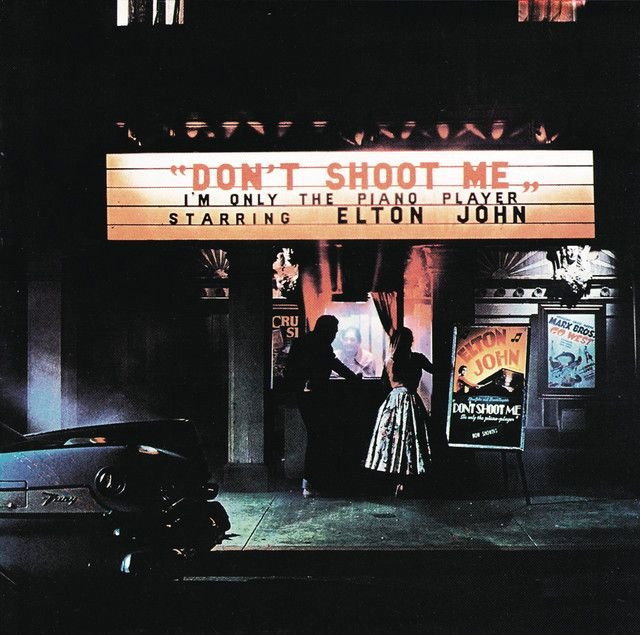
Written by Elton John and Bernie Taupin, and released in late 1972 as the lead single from Don't Shoot Me I'm Only the Piano Player, the track became Elton’s first No. 1 hit in the United States. It was recorded at the Château d'Hérouville studio in France and built around a punchy retro sound that intentionally echoes older rock and roll styles. Those facts matter because the song is not just remembering the past; it is musically acting it out.
A Summer Memory Turned Into Pop Myth
At its core, the song tells a simple story. The narrator looks back on a time when rock was young
, when life felt open, romantic, and full of movement. They remember Suzie, an old Chevy, and a dance craze that seemed more exciting than anything else around them.
This is where the song becomes more than a party record. The “Crocodile Rock” is best understood as a playful invented memory: maybe a dance, maybe a local fad, maybe a symbol for the whole feeling of teenage rock culture. Interpretation: its made-up quality is the point. It captures how people often remember youth not in exact facts, but in oversized emotional snapshots.
The lyrics also nod to older rock history with Rocking Round the Clock
, linking this private memory to the larger early-rock era. That reference helps place the song inside a fantasy of 1950s and early-1960s music culture rather than one literal event.

Watch the official Crocodile Rock
music video
The Story Moves From Joy to Loss
The first half is full of motion and delight. The narrator recalls hand-holding, skimming stones, and the thrill of dancing. The biggest rush is tied to the communal excitement of Crocodile Rock
, which feels like both a song and a social world.
Then the mood shifts. Time passes, the scene dies, and Suzie leaves. The line about the rock just died
matters because it broadens the loss. This is not only a breakup song. It is also about a whole moment in culture ending.
That gives the track its bittersweet pull:
- first love fades
- music trends change
- youth culture moves on
- memory becomes the only place where the feeling survives
Even when the narrator is heartbroken, they insist the old thrill cannot be erased. That emotional split is the key to the song’s staying power.
Why the Chorus Feels So Big
The chorus sounds carefree, but it carries the song’s real emotional argument. When the singer says feet can't keep still
, the idea is bigger than dancing. The body remembers joy even after the world changes.
That is why the hook lands so hard. It is not describing a profound philosophy in direct words. Instead, it recreates the physical rush of a memory. The repeated chant and sing-along feel turn nostalgia into something listeners can join.
Oh, Lordy mama, those Friday nights
out of sight
Those short phrases sum up how the song works. It turns teenage weekends into legend. Interpretation: the exaggeration is affectionate, not ironic. The song knows these memories are simple, but it also knows simple memories can shape a whole life.
How the Sound Creates the Meaning
Much of the meaning of Crocodile Rock Elton John comes from the production. The record is driven by rhythmic piano and a distinctive Farfisa organ riff, with Elton also singing the backing falsetto parts. Critics at the time described it as a throwback rocker with the flavor of older hits, and Elton later admitted it was deliberately derivative in tribute to the records he loved growing up.
That self-aware retro style is crucial. The bright organ, stomping beat, and nonsense-style vocal refrains do not just decorate the lyric. They make the song feel like a memory of a jukebox era. It is part homage, part parody, and mostly celebration.
Research on the song’s influences often points to early rock and roll, novelty records, and sing-along pop. Some sources also note inspiration from Daddy Cool’s “Eagle Rock,” which Elton heard in Australia in 1972. All of that supports the same reading: the song is intentionally assembled from pieces of rock history to sound like a shared dream of the past.
More Than Lightweight Pop
Because it is catchy and playful, “Crocodile Rock” is sometimes dismissed as fluff. Even Taupin was not especially sentimental about it in later comments. But the song lasts because it does something many great pop records do: it hides sadness inside fun.
Interpretation: listeners do not have to believe the Crocodile Rock was real. They only have to recognize the feeling behind it. Almost everyone has a version of this story—a place, a song, a person, a weekend, a phase of life that once felt endless and now exists mostly in memory.
That is why the song still connects. It is about more than one dance or one girl. It is about the strange way music freezes time for a few minutes, then lets people feel it again years later.
The Lasting Takeaway
The meaning of Crocodile Rock Elton John is a mix of joy, nostalgia, and loss. It celebrates early rock culture while admitting that neither youth nor romance can stay untouched by time.
Its genius is simple: it sounds like a party, but it remembers that the party ended. That tension is what gives the song its heart.
Disclaimer: Song meaning is interpretive. Some points above are grounded in documented artist comments and release history, while others are informed readings of the lyrics, sound, and cultural context.